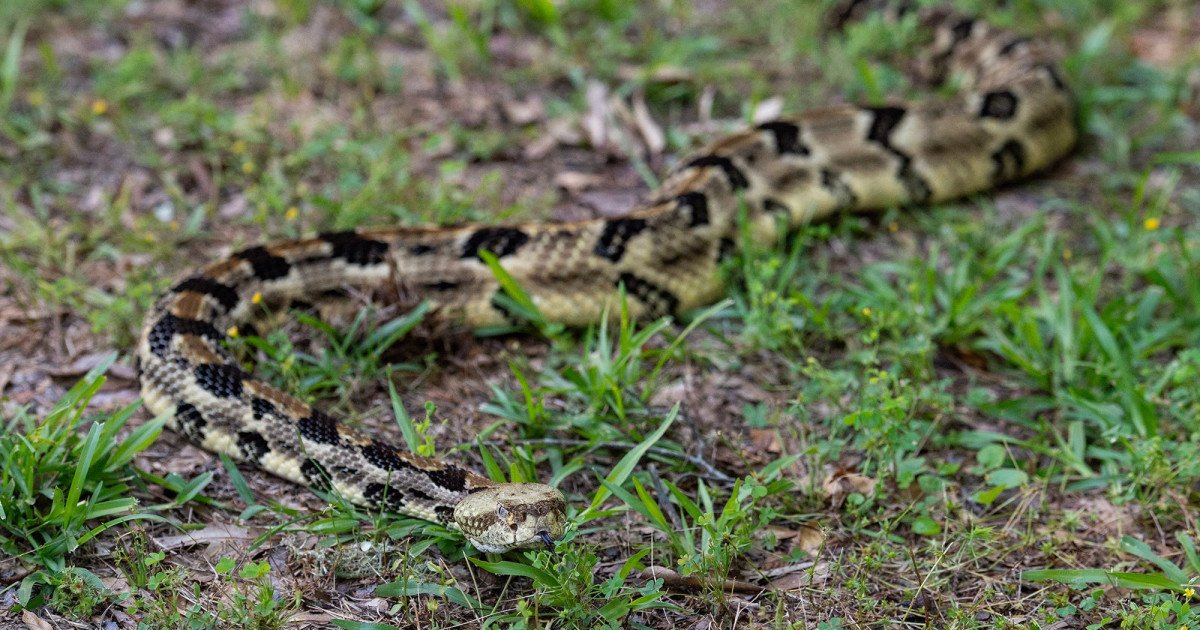
The great outdoors just got a sobering reminder of its hidden dangers. Following a heartbreaking incident in California, U.S. safety officials are sounding the alarm with a critical new warning aimed at anyone who hits the trails. The message is clear: know your snake safety, because a single misstep can have devastating consequences.
The warning stems from a tragedy that unfolded earlier this year. Julian Enrique Hernandez, a 25-year-old mountain biker from Costa Mesa, was riding the Irvine trail near Quail Hill. In a moment of terrible misfortune, he lost his balance while waiting for other riders and fell directly onto a rattlesnake. The snake bit him on the leg. Despite being rushed to the hospital and fighting for weeks with his family by his side, Hernandez succumbed to his injuries. His death was officially attributed to an animal bite.

"He was progressing through recovery and his own strength. With immense sorrow and grief, Julian did not survive," his grieving family shared in a statement. While such fatalities are exceedingly rare—with only about five venomous snakebite deaths occurring nationwide each year—this single incident has galvanized authorities into action, highlighting that even remote risks demand serious attention.
Heeding the Call: Essential Safety Guidelines for Trail Users
In response, federal experts have compiled a must-read list of precautions for joggers, hikers, and cyclists. The cornerstone of the advice is simple: give snakes a wide berth. Most bites happen when people get too close or, worse, try to handle or kill the reptile. Remember, a snake can strike nearly half its body length in a flash. Maintain at least six feet of distance. If you find yourself too close, take two large steps back immediately.
"Never touch a snake, even if you think it is dead," the warning stresses, noting that a dead snake's fangs can still deliver venom. This tragic event serves as a stark reminder that wilderness adventures require constant vigilance, much like the precautions needed after other tragic hiking deaths or the specific alerts following a tragic hunting accident.
Smart Steps to Prevent a Bite
Your choice of path and gear is your first line of defense. Stick to clear trails whenever possible and avoid stepping into areas you can't see, like tall grass or over logs. If you must cross a fallen log, step *onto* it first to check the other side for hidden dangers. When climbing rocks or moving firewood, be extra cautious.
Proper attire is non-negotiable. Sturdy boots and long pants can be the barrier that saves you from a bite. For venturing into thicker brush, consider adding snake-proof chaps or gaiters to your kit. These simple preparations are as crucial for trail safety as understanding other seasonal hazards highlighted in the NWS's spring safety alerts.
If the Unthinkable Happens: Your Action Plan
Despite all precautions, accidents can occur. Knowing what to do in the seconds after a bite is critical. Your first move should always be to call 911 or get to an emergency room, especially if you can't identify the snake. Stay as calm and still as possible to slow the spread of venom. If you're alone and far from help, you may have to carefully move to find a signal or road.
Do not attempt to suck out the venom, apply a tourniquet, or ice the wound—these old myths can cause more harm. Remove any tight jewelry or clothing near the bite area in case of swelling. While identifying the snake can help medical teams, do not risk another bite to capture it. A photo from a safe distance is sufficient. Keep the bitten limb lower than your heart and avoid elevating it.
The loss of Julian Hernandez is a profound tragedy that resonates with anyone who finds solace and adventure in nature. It underscores a vital truth: respecting the wilderness and its inhabitants is key to a safe return. As officials reinforce these life-saving protocols, the hope is that heightened awareness will prevent future heartbreak. The trails are calling, but let's make sure we answer with knowledge, preparation, and respect.