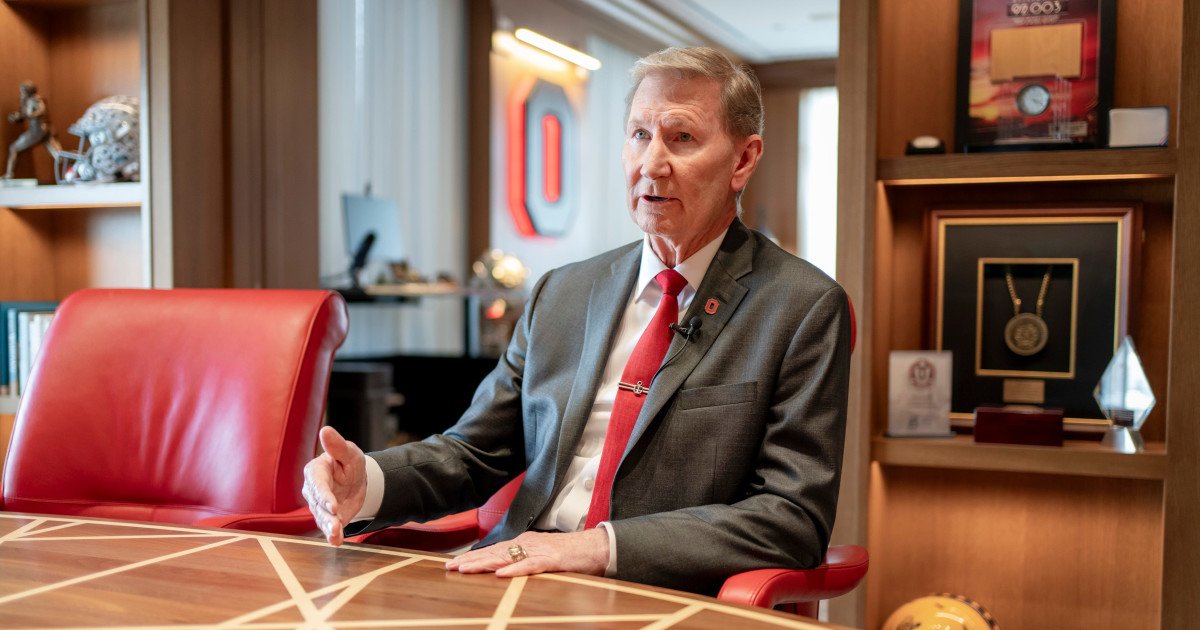
In a stunning development that rocks one of college sports' most powerful institutions, Ohio State University President Ted Carter has resigned effective immediately. The abrupt departure follows Carter's admission of an "inappropriate" relationship that compromised his leadership position, sending shockwaves through the Buckeye community and creating immediate uncertainty for one of the nation's premier athletic programs.
A Sudden Fall From Power
Carter, who was appointed as Ohio State's 17th president just last August, stepped down over the weekend after disclosing to the Board of Trustees that he had "made a mistake in allowing inappropriate access to Ohio State leadership." The university confirmed Monday that it had accepted his resignation, ending a brief tenure marked by sudden controversy.
"For personal reasons, I have made the difficult decision to resign from my role as president of The Ohio State University," Carter stated. "I believe we have made much progress during my time at Ohio State, and I'm sorry I'm not able to remain your president longer."
The Nature of the Scandal
While Carter's statement remained carefully worded, university sources indicate the controversy involved an inappropriate relationship with "someone seeking public resources to support her personal business." This admission suggests potential conflicts of interest that could have impacted university decision-making, including matters related to the massive Buckeyes athletic department.
The timing couldn't be more disruptive for Ohio State athletics, which faces crucial decisions across multiple sports. The football program is navigating the expanded Big Ten landscape, while basketball and other sports require stable leadership during a period of significant conference realignment. This leadership vacuum arrives as severe weather threatens sports events across 12 states this week, adding another layer of complexity to athletic department operations.
Implications for Buckeye Sports
Ohio State's athletic department, one of the most financially successful in collegiate sports, now faces immediate questions about strategic direction. The president plays a crucial role in approving major athletic initiatives, coaching contracts, and facility projects—all areas where continuity matters. Carter's departure creates uncertainty just as the university implements its "Education for Citizenship 2035" strategic plan, which includes athletic components.
The resignation also raises questions about institutional oversight at a time when college sports faces unprecedented scrutiny. With conference media rights deals evolving and athlete compensation models changing, strong presidential leadership is more critical than ever. This development follows other high-profile controversies in college sports, including outrage over disciplinary decisions at rival institutions.
Search for Successor Begins
The Ohio State Board of Trustees has already initiated the search for a new president, recognizing the urgency of filling this leadership void. The next president will inherit not only academic responsibilities but also stewardship of a athletic powerhouse with:
- A football program competing for national championships
- 36 varsity sports with dedicated followings
- Multi-million dollar facilities and budgets
- Critical relationships with donors and conference partners
Carter expressed gratitude in his farewell, stating, "The students, faculty and staff at this university are among the very best in the world... Lynda and I leave Ohio State with gratitude and appreciation for this wonderful community."
Broader Context in College Athletics
This leadership crisis at Ohio State occurs amid a transformative period for college sports. The resignation highlights how off-field controversies can suddenly impact athletic programs, similar to how unexpected health issues can sideline key athletes in professional sports. The timing is particularly challenging with spring sports seasons underway and fall planning in critical phases.
As the search for a new president accelerates, the Ohio State community must balance immediate stability with long-term vision. The Buckeyes' athletic success has always been intertwined with strong institutional leadership, making this transition particularly significant for coaches, athletes, and millions of fans who expect excellence on and off the field.