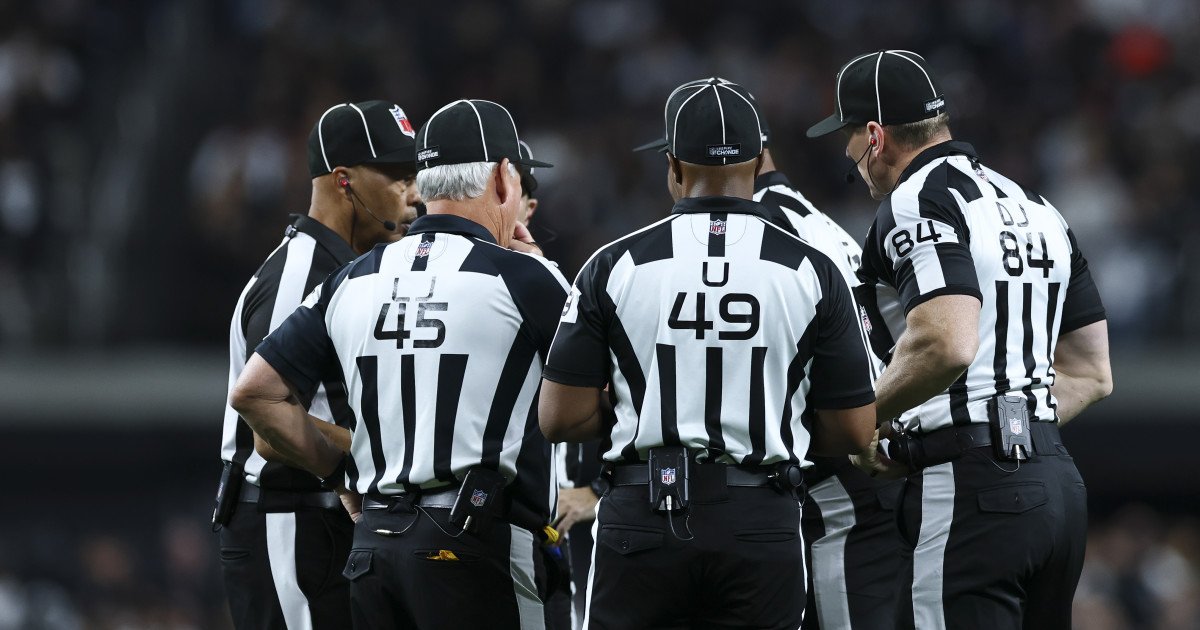
The NFL has officially thrown the red flag on referee performance. In a high-stakes showdown with the NFL Referees Association (NFLRA), league executives are making it clear: the era of automatic calls is over for the officials themselves. With a critical May 31 deadline approaching, the league isn't just negotiating a new contract—it's demanding a wholesale upgrade in officiating standards and accountability.
A Standoff Over Standards
NFL Executive Vice President Jeff Miller delivered a blunt assessment during the league's annual meetings, framing the labor dispute as a pivotal moment to fix what the NFL sees as a broken system. "This is an opportunity for us to improve the state of our officiating," Miller stated, leaving no room for interpretation. The core demand? Tangible measures to ensure referees are held accountable for their performance on the field.
"There needs to be accountability measures. There needs to be performance measures, and that's what our negotiating posture has been," Miller emphasized. This hardline stance comes as the league has reportedly authorized the hiring of replacement referees, signaling a willingness to endure a work stoppage rather than back down from its demands for reform.
Owners Demand a New Game Plan
According to reports, NFL owners are "alarmed" by the state of negotiations and are unified in their insistence on change. The league's proposal targets several long-standing practices protected by the union. Key points of contention include extending the probationary period for new officials from three to five years, assigning playoff games based more on merit than seniority, and reducing the offseason "dead period" where the league cannot communicate with officials.
Miller argued these changes are essential for improvement. "The dead period that keeps us from talking to officials... the probationary period that doesn't permit us enough time to work with officials to help them improve performance—or remove them if necessary—or the ability to get the best-performing officials on the field as the playoffs continue," he said, outlining the league's frustrations. This push for greater oversight echoes other sports controversies, like when the NCAA deployed betting surveillance tech on March Madness referees.
Pay for Performance, or Pay the Price
In a notable twist, Miller claimed the owners are prepared to open their wallets—but only for proven results. "The owners were consistent in saying, we're more than happy to pay for performance," he revealed. However, this financial incentive is directly tied to the NFL's central ultimatum: "What they are insistent upon—insistent upon—is that the performance of the officials and the accountability for their performance has to improve."
This "pay for performance" model represents a fundamental shift in how officials are evaluated and compensated, moving away from a system critics say prioritizes tenure over accuracy. The league's preparation for a lockout is so advanced that owners have already approved a rule allowing the officiating office to correct "clear and obvious mistakes" made by replacement crews, a clear signal they are ready for a protracted fight.
Replacement Refs Loom as Deadline Nears
The possibility of replacement officials taking the field this fall is becoming increasingly real. A source close to the negotiations told ESPN that a lockout appears inevitable "unless an act of God gets involved" before the current collective bargaining agreement expires. The specter of replacement referees evokes memories of the 2012 lockout, which led to widespread criticism and game-altering errors.
The NFLRA has pushed back against the league's characterization of the talks, suggesting a battle over the narrative is underway. In a similar conflict, referees previously fired back, accusing the NFL of spinning the media narrative in the contract war. The union has resisted the proposed performance measures, viewing them as an overreach that could undermine job security and the integrity of the officiating corps.
A High-Stakes Final Drive
With the May 31 deadline acting as the two-minute warning, both sides are digging in. The NFL's message is unambiguous: improve the product on the field, or face the consequences. Miller concluded, "That's where we are in these negotiations, and that's exactly where we're going to stay."
The outcome of this standoff will have major implications for the 2024 season and beyond. Will the NFL succeed in implementing a merit-based system that could see veteran officials sidelined for poor performance? Or will the referees' union hold the line, protecting its current structure? As the clock ticks down, one thing is certain: the call on the field is under review, and the replay official is the NFL itself.