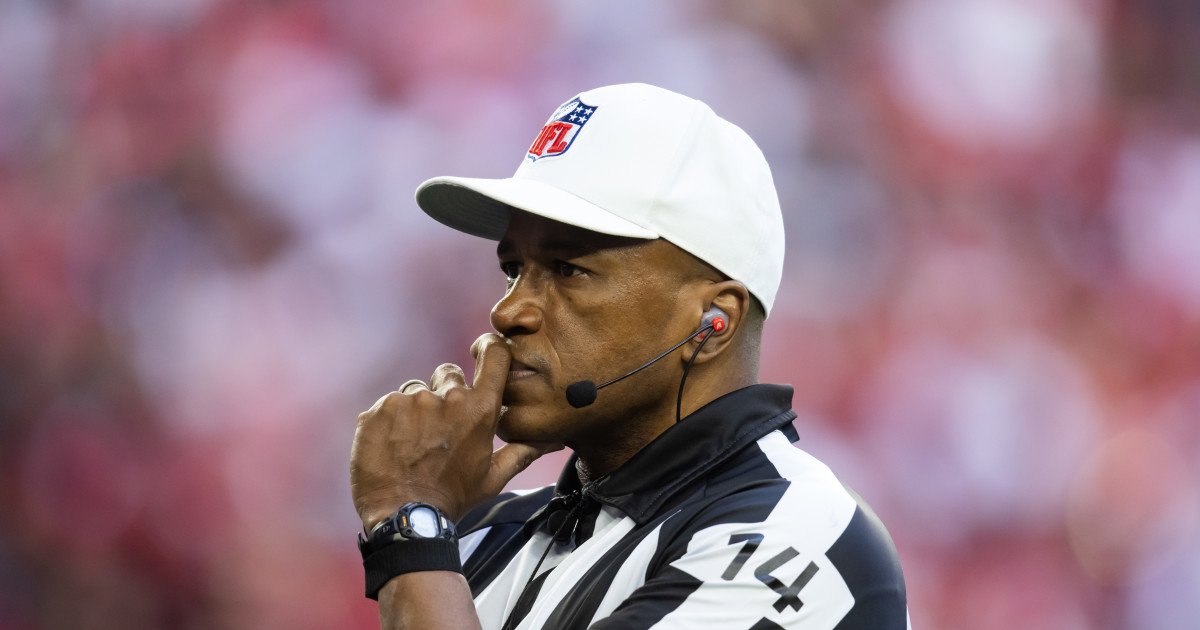
The calm before the NFL storm isn't just about free agency or the draft. A brewing conflict off the field could have major implications on it, as the league and its referees are locked in a tense and increasingly public contract standoff.
With the current collective bargaining agreement set to expire this spring, negotiations have hit a significant wall. According to reports, a recent meeting between the NFL and the NFL Referees Association (NFLRA) yielded little progress, leaving both sides pointing fingers and frustration mounting.

A Battle of Narratives
The core of the dispute centers on the future of officiating. The league is pushing for changes it believes will enhance performance, including proposals for more comprehensive, year-round training and development programs for officials. The NFL's stated goal is to improve "accessibility, flexibility and accountability" within the officiating corps.
However, the referees' union has pushed back hard, preferring to maintain current practices. This fundamental disagreement has now spilled over into a war of words played out in the media. In a sharp rebuke, the NFLRA didn't just confirm the lack of progress—it launched a direct accusation at league negotiators.
"League negotiators have been communicating misleading & incomplete info to owners and media," the union stated this week, shifting the blame squarely onto the NFL's doorstep and suggesting a deliberate campaign to shape public perception.
What's at Stake for the NFL?
For the NFL, the drive for change is likely fueled by the constant scrutiny every officiating decision faces in the modern era. In a landscape where every call is dissected on social media and highlight shows, the league is under immense pressure to ensure consistency and accuracy. This isn't just an internal matter; it's about maintaining fan confidence in the product on the field. Controversial calls can dominate headlines, as seen when outrage erupts over a single play or decision in other sports, shifting focus away from the game itself.
The referees, however, view the proposed changes as an overreach that could disrupt their established routines and professional lives. They argue the current system, built on decades of experience, works effectively and that the league's portrayal of the negotiations is one-sided.
This kind of high-stakes, behind-the-scenes conflict isn't unique to football. Other sports organizations are also implementing stricter oversight, like the NCAA's move to deploy betting surveillance technology on its basketball officials, highlighting a growing trend of increased scrutiny across sports.
A High-Stakes Offseason Showdown
As the offseason continues, the pressure will only intensify. The NFL cannot afford a work stoppage or a diminished officiating pool, especially with the regular season looming. The referees, aware of their essential role, are digging in. The public accusation of media manipulation marks a significant escalation, turning a private negotiation into a very public credibility contest.
While the league often gets its way in these matters, the referees' forceful public stance indicates this fight is far from over. The outcome will shape not just the referees' working conditions, but potentially the flow and fairness of the games millions watch every Sunday. For now, the only thing clear is that the battle lines are drawn, and the next move is anyone's guess.