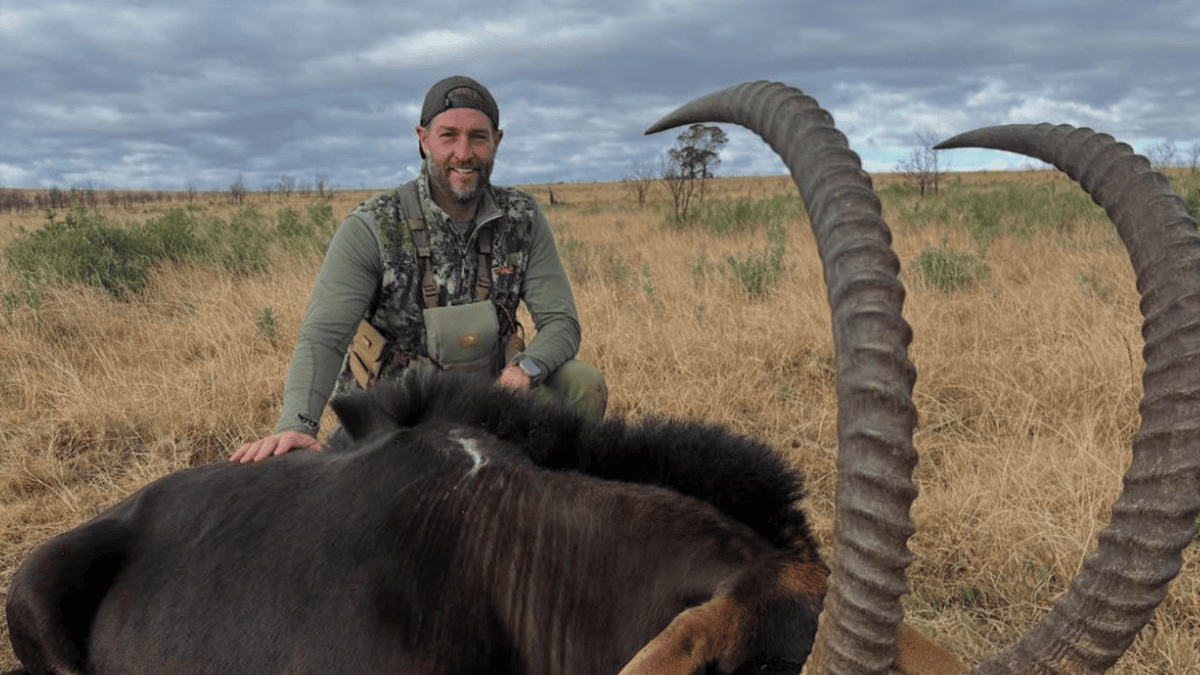
The animal rights organization PETA has made its position crystal clear: it will not shed tears for hunters who lose their lives in the wild. In the wake of several recent hunting deaths, the group issued a pointed warning to all U.S. hunters, emphasizing that stepping into an animal's home means accepting the risks that come with it.
One of the most high-profile incidents involved Ernie Dosio, a 75-year-old California vineyard owner and millionaire, who was trampled by a herd of elephants during a big-game trophy hunting trip in Africa. Dosio's death shocked friends and family, but PETA's response was notably unsympathetic.

“When humans storm into natural habitats with weapons and the intent to slaughter, other animals—like any parent—will defend themselves and their families,” PETA stated. The group highlighted the protective nature of elephant herds, describing how female elephants live in tightly bonded matriarchal groups that work together to raise and care for their young. “These family units are intensely devoted—and when a calf is threatened, mothers will do whatever it takes to keep them safe.”
PETA's warning goes beyond just elephants. The organization argues that any animal, when cornered or threatened, will fight back. Hunters, they say, willingly put themselves in harm's way by entering animal habitats with weapons and the intention to kill. The group's stance echoes broader concerns about the dangers of outdoor recreation, similar to recent golf cart safety warnings issued after freak accidents.
While hunters choose to stalk, shoot, and kill, PETA argues that animals never choose to be part of that violence. “For them, being hunted means terror, pain, and in many cases, a prolonged, agonizing death. In some cases, wounded animals escape and later die from their injuries or from starvation,” the organization added.
The warning has sparked debate among hunting communities and animal rights advocates. Some argue that hunting, when done legally and ethically, plays a role in wildlife management and conservation. Others see PETA's statement as a reminder that nature is unpredictable and that humans are not always at the top of the food chain.
This is not the first time PETA has taken a hard line on hunting incidents. The group has long opposed trophy hunting and has called for stricter regulations. Their latest warning serves as a stark reminder that every trip into the wild carries inherent risks, especially when the goal is to take a life.
As the conversation continues, one thing is clear: PETA is not backing down from its position. For hunters who choose to enter animal territories, the organization's message is simple: expect resistance.