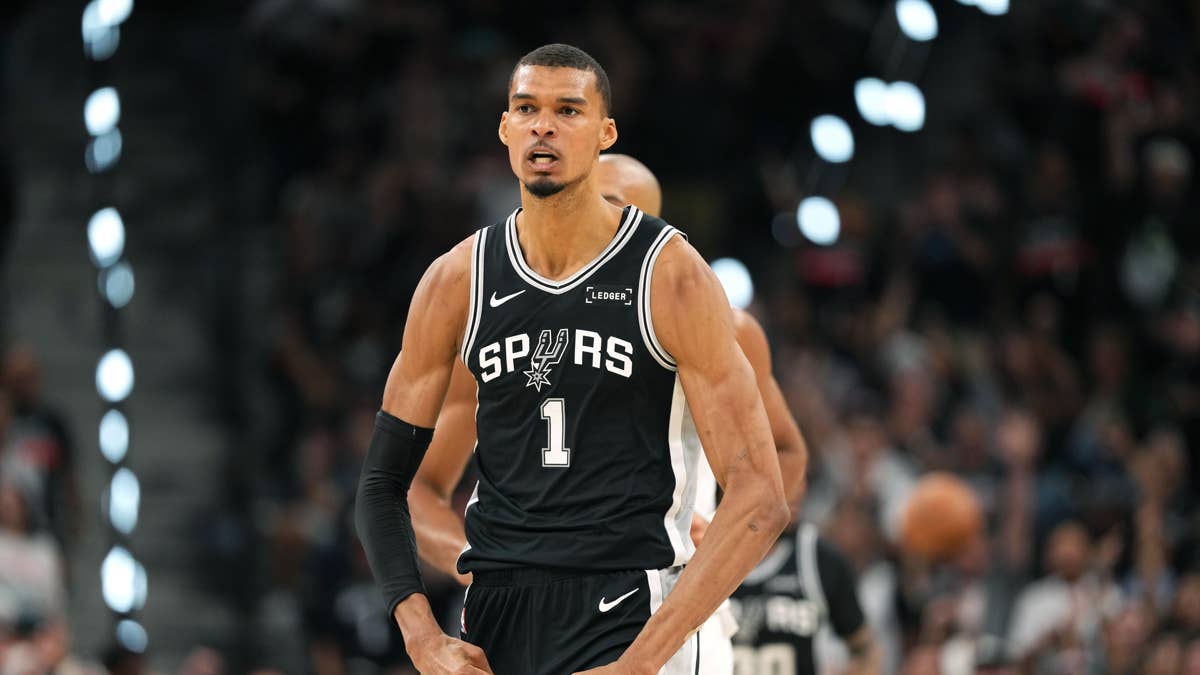
The return of Victor Wembanyama to the court Tuesday night for Game 5 between the San Antonio Spurs and Minnesota Timberwolves was supposed to be a triumphant moment. Instead, it ignited a firestorm over how the NBA media has handled the young star's controversial ejection.
Wembanyama was tossed from Game 4 after throwing an elbow at Timberwolves forward Naz Reid, a flagrant foul that left many calling for a suspension. The NBA opted not to suspend him, but the league's decision—and the media's coverage—has drawn sharp criticism from Fox Sports personality Nick Wright and a chorus of fans.
“This game being framed as some return of a wronged hero RE: Wemby, rather than a guy who was very fortunate he wasn’t suspended after wildly flagrant elbow to an opponent’s throat is just wild to me,” Wright posted on social media.
Wright's complaint resonated with many NBA fans who felt the narrative was skewed. One fan responded, “It’s so weird the narrative for two days was should be suspended, minny is being too physical, fouls not called, not protecting Wemby etc. The narrative should be how stupid and selfish what he did was. No self control. Cost his team a playoff game. But nope not the anointed one.”
Another fan echoed, “The narratives are crazy. Naz Reid getting dragged down, meanwhile Wemby is the savior like he wasn’t dangerously reckless last game. I didn’t expect a suspension or anything but acting like Wemby wasn’t exclusively in the wrong and emotionally out of control is crazy.”
This criticism of the NBA's leniency isn't new, but the media's framing has added fuel to the fire. Some fans even accused the league of endorsing violence to protect its star.
Spurs coach Mitch Johnson, however, defended Wembanyama, blaming officials for allowing the Timberwolves to get too physical. “Just the amount of physicality that people play with him, at some level, you have to protect yourself. Every single play on every single part of the floor, people are trying to impose their physicality on you. He’s gotten pushed down in transition, running freely. We don’t complain because we’re just going to play. We don’t really give a s—. But at some stage, he should be protected. If not, he’s going to have to protect himself, and unfortunately, stuff like that happens,” Johnson said.
Johnson added, “It’s starting to get disgusting in terms of when he tries to fight through things, be professional and mature and deal with some of that stuff. I’m glad he took matters into his own hands. Not in terms of hitting Naz Reid, but he’s going to have to protect himself if they’re not. And I think it’s disgusting.”
Wembanyama responded on the court in Game 5 with 21 points and 11 rebounds in the first half alone, sending a message that he's not backing down. But the controversy over his treatment—and the media's role in shaping the narrative—is far from over.
This isn't the first time sports media has faced backlash for its coverage. Similar debates have erupted in other sports, like the controversy over Megan Rapinoe's comments about WNBA media duties, or the criticism of media coverage in the Dianna Russini-Mike Vrabel saga. But this time, the spotlight is on how the NBA's chosen narrative may be doing more harm than good.