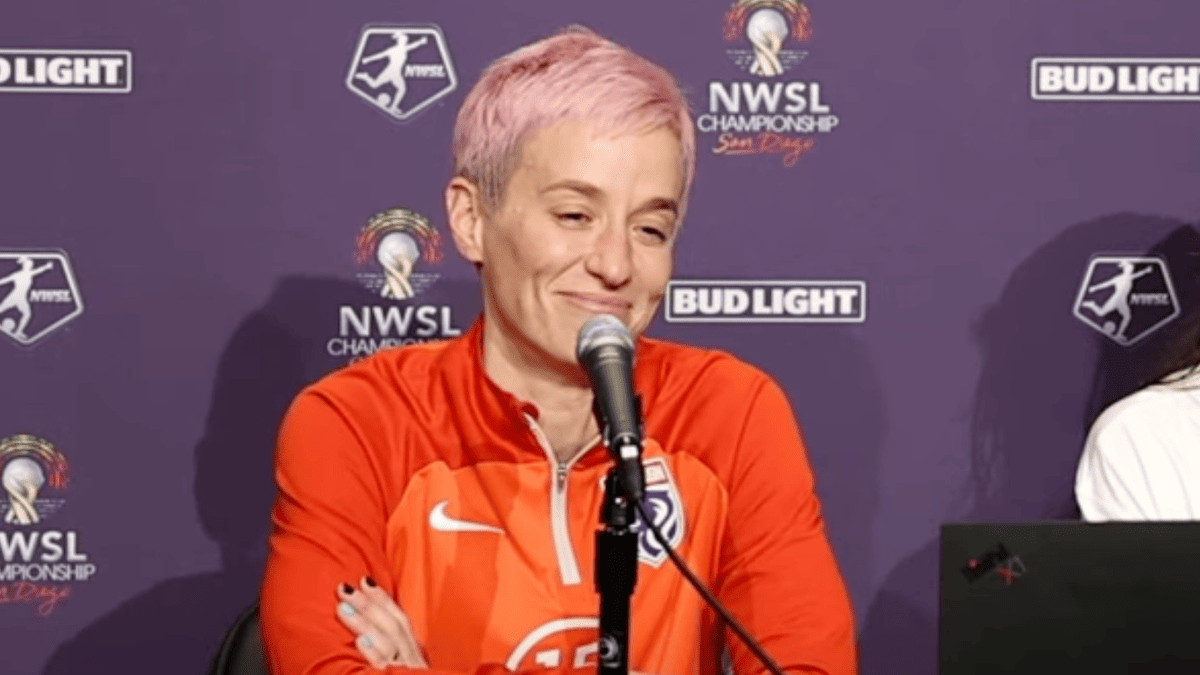
Megan Rapinoe, the iconic U.S. women's national team star, is catching heat after urging WNBA players to bypass media duties when they don't feel up to it. The advice, which comes on the heels of Angel Reese admitting she'd rather pay a fine than talk to reporters, has sparked a fierce debate about the role of the press in women's sports.
Rapinoe, who recently ended her engagement to Sue Bird, didn't hold back in her support for Reese's stance. "I think Angel is a really great example of her taking her power back," Rapinoe said. She pointed to the narrative that painted Reese as a villain before she even stepped onto a WNBA court, adding, "She's making it clear that she's gonna protect her peace."
But Rapinoe didn't stop there. She encouraged all WNBA players to consider similar moves, arguing that the media landscape is shifting and athletes deserve better treatment. "There needs to be a quality of journalism that is at the level of these athletes," she said. "It might mean I get a fine, but at some point, we have to adjust the expectations that journalists can just go up there and throw any kind of narrative."
However, not everyone is buying what Rapinoe is selling. Critics are quick to point out that media coverage is a key driver of the WNBA's recent financial boom. The league just inked a massive $3 billion TV deal, and players are seeing significant raises. Some argue that skipping interviews could undermine that progress.
"If there's someone who should not be advising other athletes on interviews and dealing with the public, it's Megan!" one critic wrote. Others were more blunt, calling Rapinoe "an incredibly divisive naive athlete" and noting that "one may not answer certain things but you don't trash media as it gets you funds." Another commenter jabbed, "Rapinoe doesn't have to worry about skipping interviews. Nobody cares about her inner rage."
The backlash highlights a broader tension in women's sports: how to balance athlete autonomy with the media exposure that fuels league growth. While Rapinoe's advice may resonate with players tired of being misrepresented, it also risks alienating the journalists and broadcasters who help amplify the game.
For context, this isn't the first time Rapinoe has stirred controversy with her outspoken views. Her latest comments echo the recent rapinoe tells female athletes to skip media they don't want to do, which similarly drew mixed reactions. Meanwhile, the WNBA's rising profile—fueled by stars like Reese and a new TV deal—means every word from a high-profile figure like Rapinoe carries weight.
As the debate rages on, one thing is clear: the relationship between athletes and the media is evolving, and not everyone agrees on the best way forward. For now, Rapinoe's advice has struck a nerve, leaving fans and analysts alike wondering whether it's a step toward empowerment or a potential setback for the league's momentum.