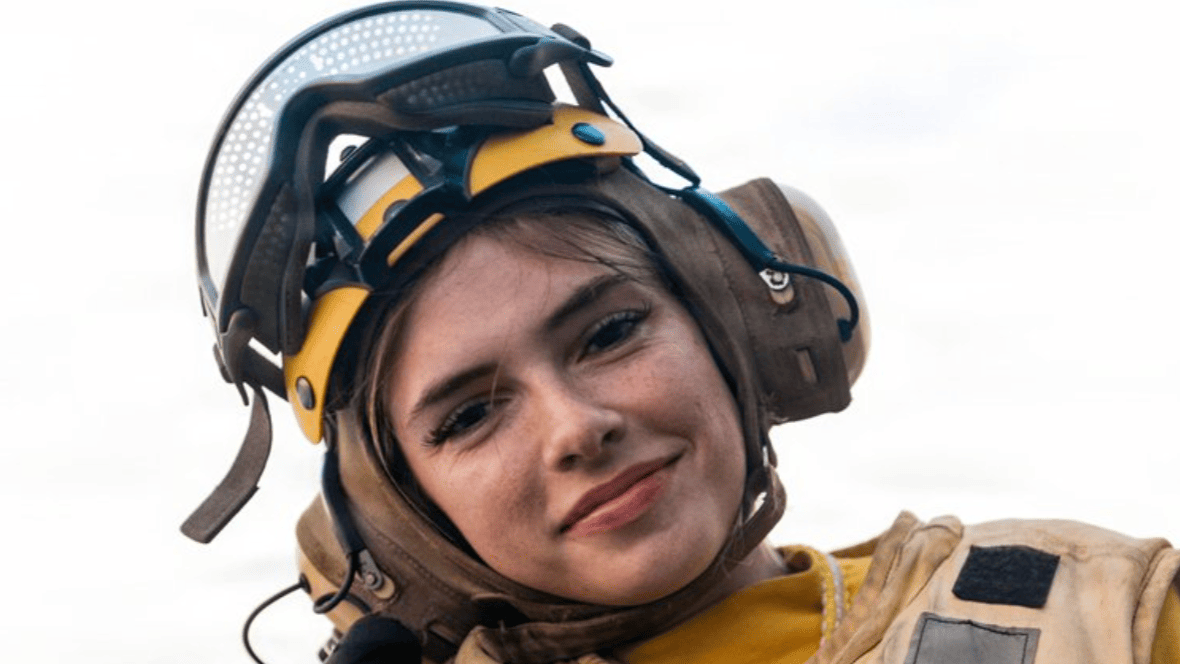
Sometimes, a picture is worth a thousand recruits. The U.S. Navy learned that lesson firsthand this week when a seemingly standard social media update about military operations turned into an internet phenomenon. What was meant to showcase skill and coordination instead ignited a fiery debate about image, intention, and the power of a single photograph.
From Routine Post to Viral Sensation
The U.S. Indo-Pacific Command's official account posted three photos of Sailors and Marines from the 11th Marine Expeditionary Unit conducting flight operations aboard the USS Portland. The caption detailed the "seamless integration" between forces ensuring "rapid response and operational dominance" across the Pacific region. It was standard, proud military communication. But the internet had other plans.

All eyes zeroed in on the female sailor positioned in the top right corner of the image carousel. Almost instantly, the post's purpose was overshadowed by a torrent of comments fixated solely on her appearance. The strategic narrative was hijacked by a viral blitz reminiscent of when Kacey Musgraves' cowgirl photo or Sydney Thomas' bikini post captured the web's collective attention.
The Internet Weighs In
The reaction was swift and overwhelming. "Put that as your recruiting ad and watch people sign up," declared one fan, summing up a common sentiment that the image was a potent recruitment tool. Another user demanded more information: "OK…Who is she and what does she do…Let’s hear the back story…!"
Support was also mixed with pointed commentary. "Way to go. I’ve four daughters and they also kick some butt! Go Navy!" one person cheered, celebrating the visible presence of women in service. Yet, a more cynical view emerged with comments like, "That’s how they get fresh 18 yo recruits into the military. That girl had no business to be in this post like that but still they put her," suggesting a calculated move by the Navy. The frenzy even led some to question reality, with one user asking, "That is one cute girl, not AI?"
This kind of public dissection of a service member's image echoes other recent media firestorms, such as the scrutiny surrounding the Vrabel photo fallout that impacted sports journalism.
The Strategy Behind the Image
While the post appeared innocent, the explosive reaction has led many observers to believe the Navy knew exactly what it was doing. In an era where every branch of the military competes for attention in a crowded digital landscape, generating buzz is a key component of modern recruitment. A photo that stops the scroll and dominates conversation is a powerful asset, even if the conversation diverges from the intended message of operational readiness.
The incident raises questions about the line between showcasing the diverse faces of the armed forces and leveraging appearance for engagement. It's a delicate balance, similar to the debates that arise when sports networks or figures become the story, like the backlash following Stephen A. Smith's Mike Trout trade plea in the baseball world.
A Modern Recruitment Reality
Ultimately, the viral frenzy proves one thing: imagery holds immense power. Whether the focus was planned or accidental, the result was a massive amplification of a Navy post that otherwise might have been scrolled past. It has people talking about the Navy in a moment when military recruitment faces significant challenges. The episode serves as a case study in how traditional institutions navigate the unpredictable waters of social media, where control over narrative is often surrendered to the public the moment the 'post' button is hit.
As the comments continue to roll in, the U.S. Navy's photo of flight ops in the Pacific will be remembered less for the mission it documented and more for the internet storm it inadvertently—or perhaps very deliberately—unleashed.