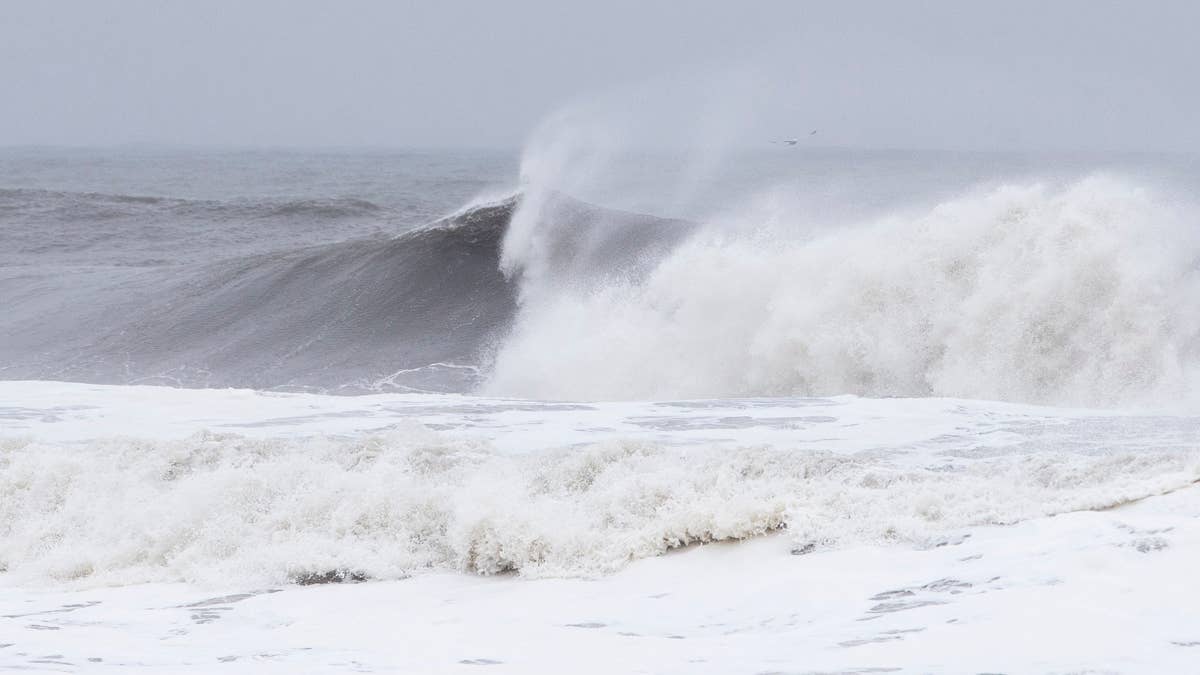
Sports fans planning coastal activities this weekend, take note: Mother Nature is throwing a serious curveball. Federal officials have issued urgent warnings for two states on opposite ends of the country—Texas and Alaska—as they brace for a powerful surge of massive waves, with some forecast to tower over eight feet.
Dual Coasts on High Alert
This isn't your average day at the beach. The National Weather Service has flagged potentially life-threatening conditions set to hit shorelines on Sunday, April 19th. While surfers might eye the forecast with excitement, authorities are emphasizing extreme caution for everyone near the water. The primary threats? Powerful rip currents capable of pulling even strong swimmers out to sea, significant coastal flooding, and punishing high surf that can knock people off their feet in an instant.

In Alaska, the situation is particularly intense. Forecasters predict breaking waves between 4 and 8 feet, fueled by southwest winds gusting as high as 40 mph. This combination creates a volatile and dangerous environment for any maritime or beachfront activity.
Down in Texas, a series of specific advisories are in effect. A Coastal Flood Advisory warns of minor flooding along the coast, while a High Surf Advisory anticipates large breaking waves of 5 to 7 feet within the surf zone. Most critically, a High Rip Current Risk alert has been issued, signaling that unseen currents pose a severe danger to anyone entering the water.
Critical Safety Guidance for Beachgoers
The official warning leaves no room for ambiguity: inexperienced swimmers should stay entirely out of the water. For those who do venture near the shore, the directive is clear: "Swim near a lifeguard." Lifeguards are not only trained rescuers but also the best source of real-time information on hidden hazards like rip currents.
If caught in a rip current, the advice is counterintuitive but lifesaving: don't fight it. Swimmers are instructed to relax, float, and not exhaust themselves by swimming directly against the flow. If possible, swim parallel to the shoreline until free of the current's pull. If escape seems impossible, face the shore and call or wave for help.
General beach safety becomes paramount during these conditions. "You must stay situationally aware at all times and never turn your back on the ocean," the warning stresses. A sudden, large wave can arrive without warning. Experts also advise protecting your head and neck in breaking waves by keeping your hands in front of you. This kind of severe weather can also lead to broader disruptions, similar to when weekend sports face major disruption due to severe thunderstorms or when dangerous winds threaten events in multiple states.
A Reminder for the Sports Community
For the sports world, this serves as a stark reminder of how weather can impact plans beyond the stadium. Beach sports, coastal marathons, fishing tournaments, and simple recreational activities are all at risk. It's a scenario that echoes other weather-related sports alerts, such as when a beach alert was issued for three Gulf states due to hazardous marine life, or when Texas faced high wind warnings that threatened travel.
The core message from officials is one of community and preparedness: "Keeping yourself safe while also helping others can save lives." If you see someone else in trouble, stay calm, make a plan, and avoid putting yourself in danger. Always choose guarded beaches when possible. As conditions evolve, staying informed and heeding local advisories is the best way to ensure a safe weekend, whether you're an athlete, a fan, or just hoping to enjoy the outdoors.