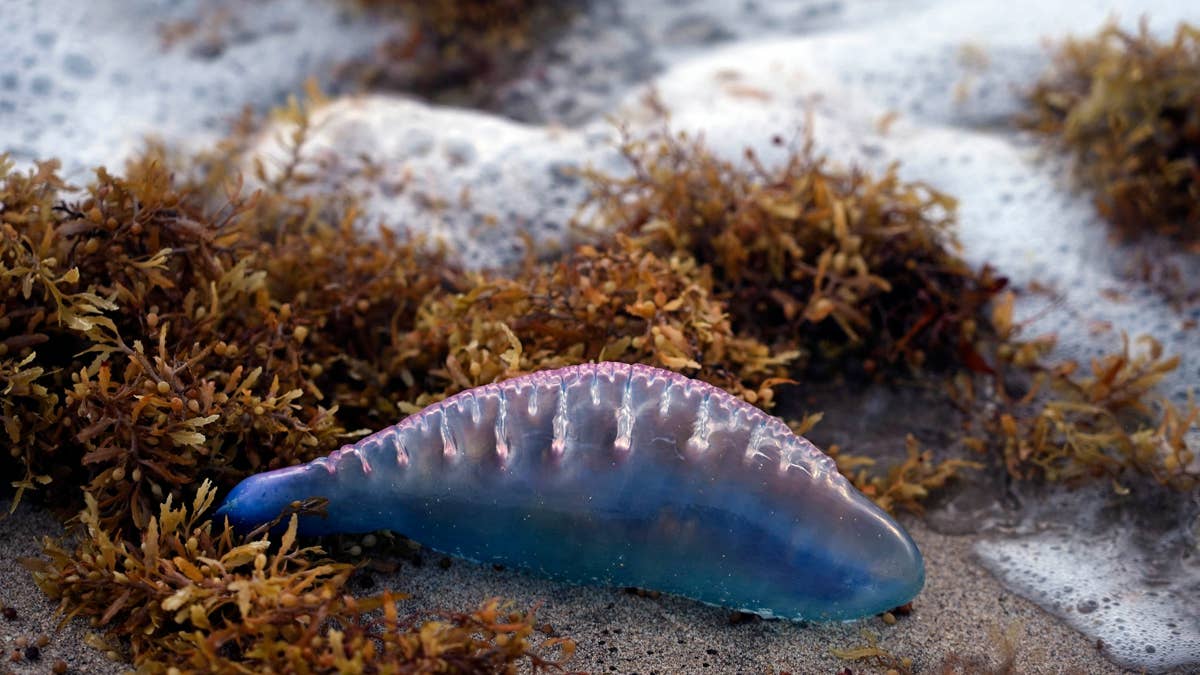
Just as the sun starts shining brighter and the sand beckons, a dangerous visitor is crashing the coastal party. Beachgoers across the Gulf of Mexico are being put on high alert as the venomous Portuguese Man O' War has been spotted, triggering official warnings for Alabama, Florida, and Mississippi.
This isn't your average jellyfish. The Portuguese Man O' War is a siphonophore, a colony of genetically identical organisms working as one. Its most recognizable feature is a vibrant, balloon-like float that rides the waves, looking deceptively like a tiny, colorful sailboat. But beneath that beautiful facade lies a serious threat: tentacles that can stretch an astonishing 100 feet, armed with stinging cells designed to paralyze prey.

"While its sting is rarely fatal to humans, it delivers a painful wallop that can cause severe welts and ruin a perfect beach day in an instant," marine experts caution. The creature's return is a stark reminder that the ocean's beauty often comes with hidden risks.
For sports fans and families planning seaside outings, this news adds an unexpected hurdle. Coastal activities, from casual swims to beach volleyball tournaments, now require extra vigilance. This environmental threat follows other weather-related disruptions for outdoor sports, like the dangerous winds that recently threatened weekend games and the hidden rip current threats that emerge with summer heat.
Authorities and local adventure outfits like Lost Reef Adventures are urging everyone to take precautions. The key is awareness and preparation. Before you dive in, have a chat with the lifeguards about any recent sightings in the area. Their eyes on the water are your first line of defense.
Essential Safety Tips for Beachgoers
Protecting yourself means being proactive. Consider wearing a protective wetsuit or rash guard to create a barrier against potential stings. Always swim with a buddy—having another set of eyes in the water can help spot danger and ensure help is nearby if needed.
Keep a sharp lookout for those distinctive blue, violet, or pink floats on the surface. Be especially cautious on days with onshore winds, which can push these creatures right toward the beach. Most importantly, if you see one, admire it from a very safe distance. Never, ever touch a Portuguese Man O' War, even if it appears washed up and dead on the sand, as the stinging cells can remain active.
This development serves as a critical reminder for communities that rely on their coastal landscapes for recreation and tourism. Just as flash floods can wash out sporting events inland, marine hazards can disrupt the outdoor sports scene on the coast. Staying informed about all types of environmental conditions is part of the game for the active sports fan.
So, as you pack your cooler and sunscreen for that well-deserved beach trip, add a dose of caution to your checklist. By staying alert and following these simple guidelines, you can ensure your focus stays on fun in the sun, not on a painful encounter with one of the ocean's most fascinating yet formidable residents.