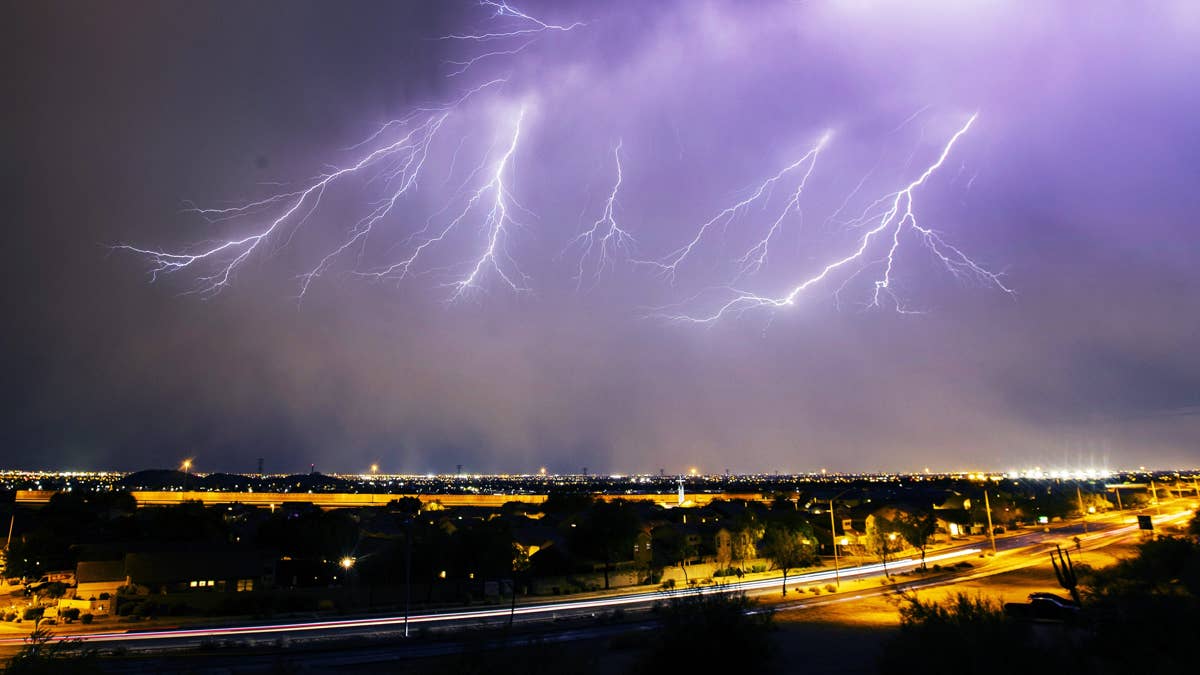
Sports fans and athletes across nearly a dozen states need to keep one eye on the sky this Monday. The National Weather Service has issued warnings for severe thunderstorms expected to sweep through nine different states, bringing a dangerous mix of heavy rain, powerful winds, large hail, and frequent lightning. This widespread weather event threatens to put a damper on outdoor activities and could force last-minute changes to schedules from coast to coast.
States in the Storm's Path
The weather system is casting a wide net, with impacts stretching from the Pacific Northwest down to the Southwest and across to the Southeast. The states bracing for potential severe weather include Washington, Oregon, Utah, Arizona, Colorado, New Mexico, Texas, Oklahoma, and Florida. This diverse geographical spread means everything from local little league games to community runs could face disruption, echoing recent weather challenges like the weekend sports disruptions from severe thunderstorms that affected an even larger area.

Meteorologists are urging residents in these regions to stay vigilant and monitor local forecasts closely. The storms are predicted to pack a significant punch, with risks extending beyond simple rain delays. Damaging wind gusts capable of toppling temporary structures, large hail that can damage vehicles and property, and intense lightning present serious hazards for anyone caught outdoors. This situation mirrors the game day alerts issued during previous severe weather outbreaks.
Essential Safety Guidance for Sports Enthusiasts
When thunder roars, go indoors—this old adage holds critical truth. The National Weather Service emphasizes that no outdoor location is safe during a thunderstorm. If you're at a game, practice, or outdoor event and hear thunder, it's time to immediately seek shelter in a substantial, enclosed building. Avoid sheds, pavilions, or bleachers without proper enclosure, as these offer little protection.
For those at home planning to watch or participate in sports, have a safety plan ready. Identify your secure location beforehand—typically an interior room on the lowest floor, away from windows. Don't forget about pets if you need to take shelter quickly. At schools or sports complexes, avoid large open areas like gymnasiums, cafeterias, or auditoriums during warnings, as these spaces can be vulnerable to wind damage.
On the Road and in the Stands
If you're traveling to or from a sporting event when storms hit, remember that while a vehicle is safer than being completely exposed, it's not ideal. Metal roofs provide some protection from lightning, but the real danger comes from high winds and reduced visibility. If you have time, the safest action is to drive to the nearest secure building. Never seek shelter under trees or in open fields, as this dramatically increases your risk of being struck by lightning or hit by falling branches—a lesson reinforced during events like the high-wind threats to weekend sports.
Event organizers and local sports leagues should be preparing contingency plans. Having a reliable method to receive weather alerts is crucial for everyone involved. Continue monitoring local news or a NOAA Weather Radio for the latest watches and warnings. The timing and intensity of these storms can change rapidly, so staying informed up to the last minute is key to safety.
This widespread weather event serves as an important reminder that nature doesn't check the sports calendar. While fans in some regions are dealing with thunderstorms, others recently faced different challenges, like the frost warnings that threatened weekend sports across numerous states. Regardless of the specific threat, preparedness remains the common denominator for safety.
Monday's forecast underscores the importance of weather awareness in sports planning. Whether you're a player, coach, official, or spectator, knowing what to do when severe weather strikes is as important as knowing the rules of the game. Stay alert, have a plan, and prioritize safety over schedules when dangerous conditions develop.