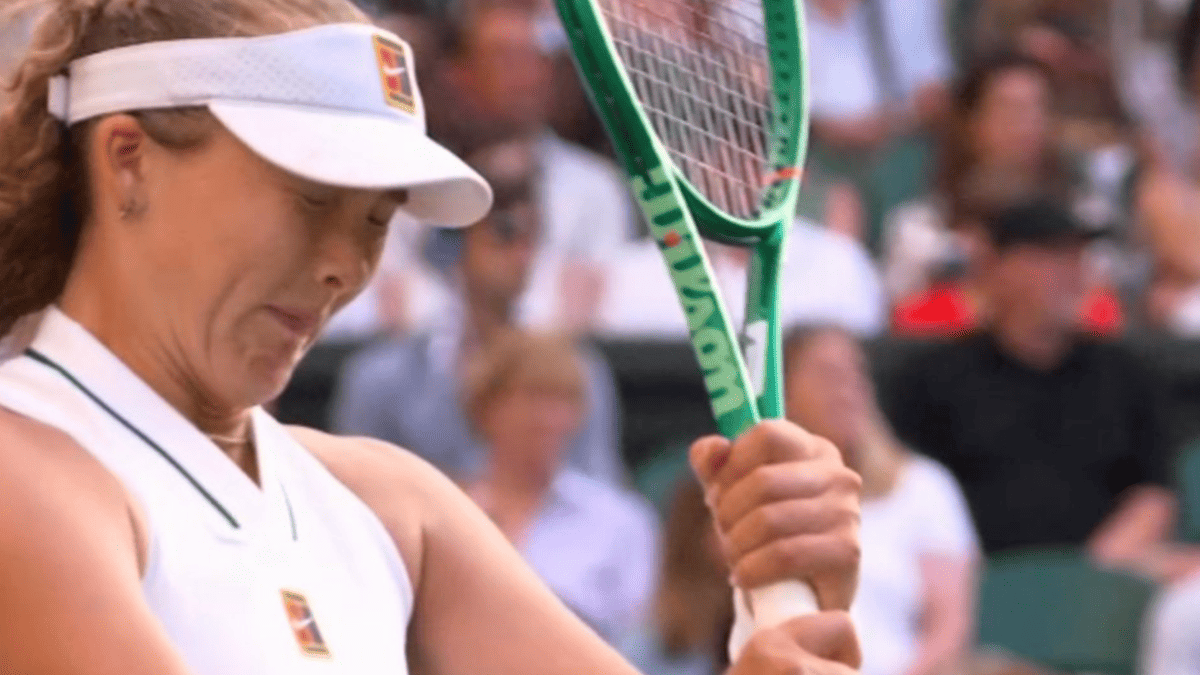
Wimbledon's Centre Court witnessed more than just an upset on Wednesday. Nineteen-year-old Mirra Andreeva, the reigning French Open champion, crashed out in the second round to 2024 titleholder Barbora Krejcikova, but it wasn't just the 6-4, 5-7, 4-6 scoreline that had people talking. It was the teenager's explosive reaction that stole the spotlight—and not in a good way.
Down a break in the final set, Andreeva launched her racket across the court and shouted, "I quit!" to her box. The outburst, captured on camera and shared widely on social media, drew immediate criticism from fans and commentators alike. "She's a little girl with stupendous talent but no grace," one fan wrote. Another added, "Like a little child." A third chimed in, "She was a spoiled brat on court, shouting at her coach."
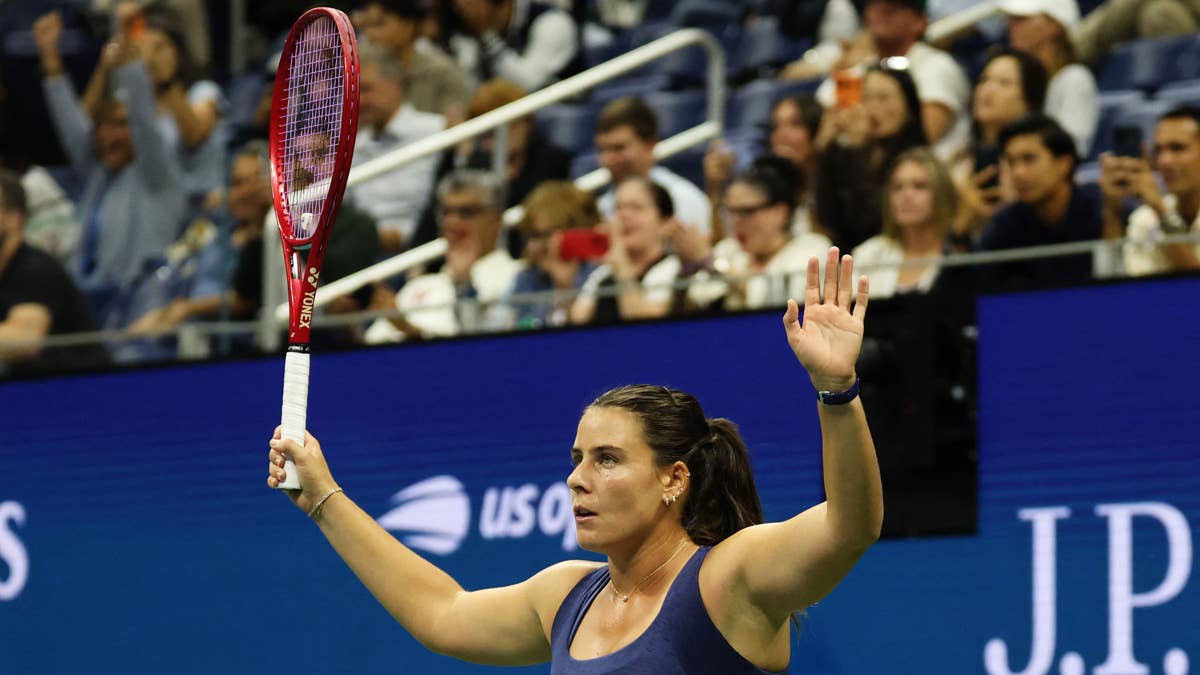
This isn't the first time Andreeva's temper has flared on a big stage. According to the Daily Mail, she smashed her racket to pieces during a three-set defeat while defending her Indian Wells title in March. The pattern of emotional blowups is raising questions about whether her fiery personality is a strength or a liability as she navigates the pressures of professional tennis.
After the match, Andreeva showed a more composed side, congratulating Krejcikova at the net and accepting some consoling words from the 30-year-old. But the damage to her reputation may take longer to repair. In her post-match press conference, the teenager was visibly emotional. "I think of course I'm gonna need a couple of days," she said, her voice wavering. "Sorry. It's gonna take some time. Maybe a couple days. Then I'm gonna be back to practice for hard courts."
Andreeva's struggle to keep her cool echoes similar challenges faced by other young stars. The tennis world has seen its share of emotional outbursts at Wimbledon, but the intensity of Andreeva's reaction has drawn comparisons to a spoiled child rather than a champion. Her talent is undeniable—she broke through in 2024 and captured the French Open title last year—but maturity on the court remains a work in progress.
The incident also highlights the unique pressures of Wimbledon, where extreme conditions and the weight of history can test even the most seasoned pros. Andreeva's behavior has sparked a broader conversation about how young athletes handle adversity in front of a global audience.
For now, Andreeva plans to take a few days to reset before turning her focus to the hard-court season. "I still need to talk to my team to see where I'm gonna play next," she said. Whether she can channel that raw emotion into productive energy—or if it will continue to derail her—remains to be seen.
Meanwhile, Wimbledon continues across ESPN, with the tournament's drama far from over. Andreeva's meltdown may be the story of the day, but the action on the grass will soon move on. For the teenager, the real work begins now: learning to win with grace, not just power.