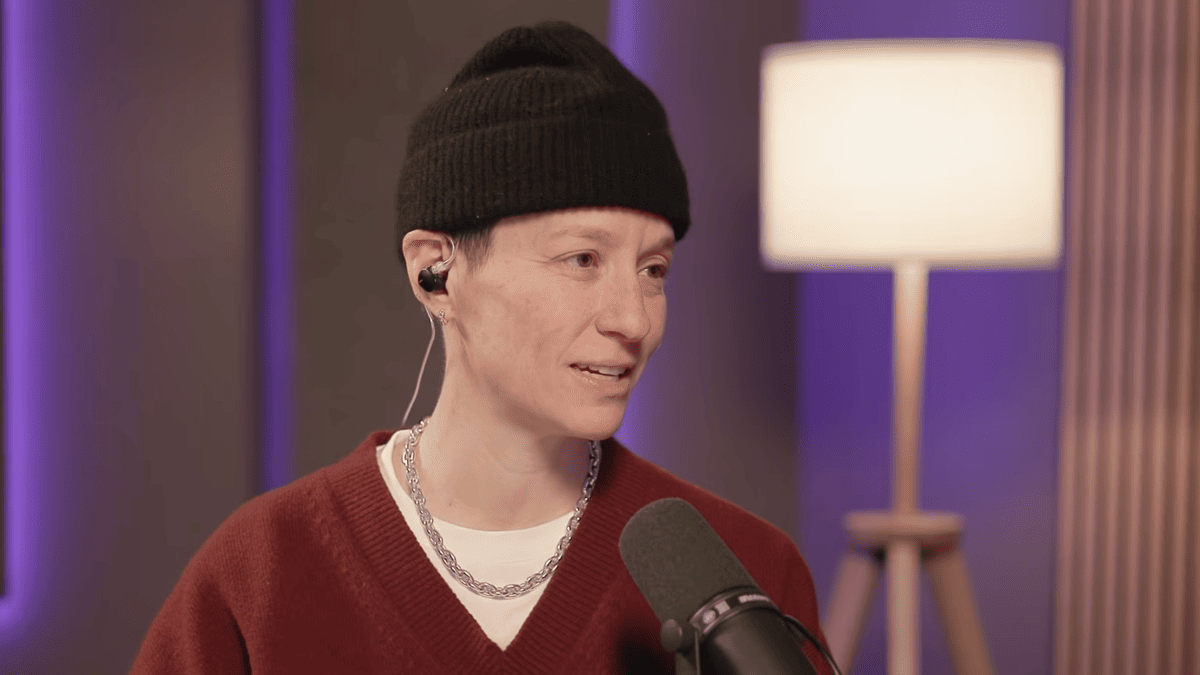
U.S. soccer legend Megan Rapinoe is calling for a major shake-up in how the WNBA handles its media interactions. The two-time World Cup winner believes the league needs to take a long, hard look at its press conference culture before the 2026 season kicks off.
The controversy erupted when Dallas Wings No. 1 draft pick Azzi Fudd was asked about her relationship with UConn teammate Paige Bueckers during her introductory press conference. Bueckers had publicly confirmed their romance during WNBA All-Star Weekend last July via TikTok.
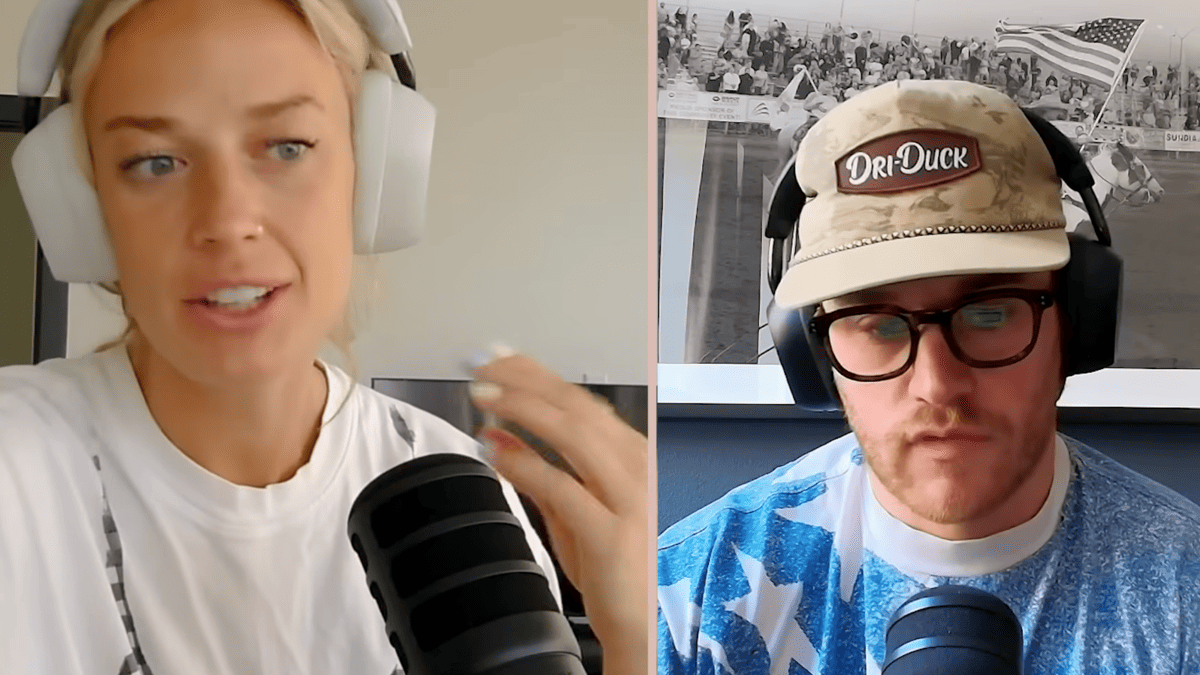
Kevin Sherrington of The Dallas Morning News posed the question: “Paige announced last year on TikTok that y’all were a couple. I’m wondering if that’s still the case, and if so, have you talked to other couples in the league about how they negotiate that dynamic?”
A Wings PR staff member quickly shut down the line of questioning, replying: “I understand why you have to ask that question. We’re going to respectfully decline from commenting on our players’ personal lives.”
But Rapinoe, never one to shy away from a debate, used her “A Touch More” podcast to sound off on the situation. She argued that the media needs to bring more nuance to its approach, especially when covering a league that prides itself on inclusivity.
“I do think we are watching legacy or establishment media come in and sort of like do business as usual and it just feels like it needs more understanding and nuance,” Rapinoe said. “Like it’s not quite hitting. I think anybody who’s been in the sport a long time just sort of has that feeling of like that’s like, I, I get why you’re doing that. You do that (with) men’s sports, but like it’s not really quite hitting here.”
Rapinoe didn’t stop at criticism—she offered a bold solution: replace the traditional media with voices that better reflect the WNBA’s culture. “How do we collectively protect and craft the future of this space as the people who care about what the WNBA has built and enjoy the culture that it brings? Because let’s be honest, the reason why the WNBA is out front in culture is because of how rooted it is in Black and queer culture and around equality for women and progress in all of those realms,” she said.
The timing of Rapinoe’s comments is interesting, given that the WNBA season is just two weeks away. It remains to be seen if the league will implement any changes to pregame and postgame press conferences. Meanwhile, similar media restrictions have drawn criticism in other sports—NFL teams have been slammed for their own “bush league” media policies.
Rapinoe’s call for change echoes broader conversations about how sports media interacts with athletes, especially in leagues that are breaking new ground culturally. As the WNBA continues to grow, finding the right balance between journalistic curiosity and respect for players’ personal lives will be key.