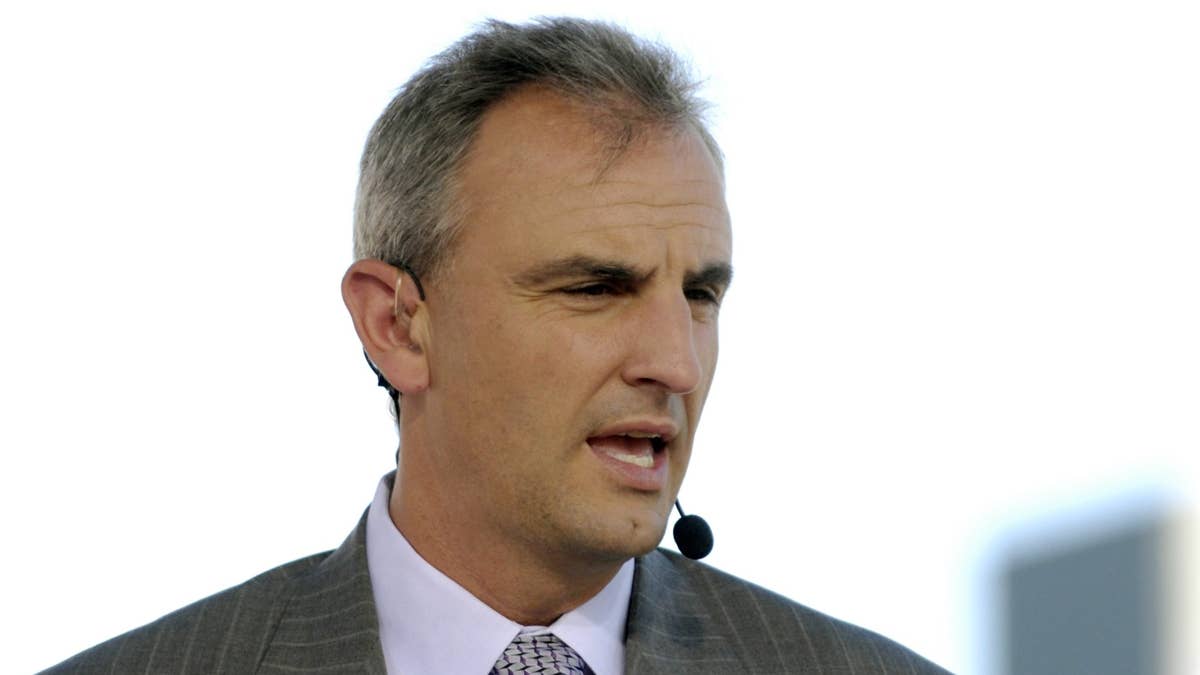
Trey Wingo, the familiar voice from countless NFL Drafts and SportsCenter broadcasts, has stepped into the spotlight for a reason he'd rather avoid: a public apology. The former ESPN mainstay, who has been digging into the ongoing drama between the PGA Tour and LIV Golf, found himself on the wrong side of a sensitive story.
In a recent video, Wingo declared that LIV Golf is on its last legs. He pointed to Phil Mickelson's absence from LIV events this year, suggesting Mickelson's stated family health issue might not be the full story. “LIV is essentially dead, it’s easy to see,” Wingo said. “Phil Mickelson has yet to play in a LIV event this year, and he says it’s from, you know, he’s dealing with a personal health issue with someone in his family. And I’m sure that might be true, but he hasn’t played in a single event.” He went further, noting that Mickelson, once LIV's biggest champion, missing all events “probably should have told us something.”
Wingo also turned his attention to Bryson DeChambeau, interpreting the golfer's emotional state after a LIV event in South Africa as a sign of impending departure. “He might have been thinking, ‘this might be my last LIV event ever,’” Wingo speculated. “So when you go back and look [at their actions] through a different lens, it’s kind of easier to see, isn’t it?”
The problem? Both Mickelson and DeChambeau were dealing with legitimate personal matters outside of golf. Fans and critics quickly called out Wingo for crossing a line by publicly speculating about private struggles. The backlash was swift, and Wingo responded with a full mea culpa.
“You’re 100% right — that’s on me. I shouldn’t have done that, I understand and take full responsibility. Thank you for calling me out on this. You were right to do so,” he said in his apology. It was a rare moment of humility from a broadcaster known for his confident takes.
This incident serves as a reminder that even seasoned sports journalists can get carried away. While debating the future of LIV Golf is fair game, digging into players' personal lives without solid evidence is a different ballgame. For context, the sports world has seen other figures face similar scrutiny—like when NFL fans demanded an apology from a prominent reporter over a photo saga, or when Max Homa's club toss sparked calls for accountability. In each case, the line between analysis and invasion gets blurred.
Wingo's apology is a step toward mending fences, but it also highlights the challenges of covering a league as polarizing as LIV Golf. As the sport continues to evolve, reporters will need to tread carefully—especially when lives beyond the fairway are at stake.