The roar of engines at Bristol Motor Speedway was met with a deafening silence from a significant portion of its traditional audience this past weekend, sparking a fiery rebuke from a former star. Jeremy Mayfield, a five-time NASCAR Cup Series winner, didn't mince words, delivering a verdict that cuts to the core of the sport's identity: NASCAR, he claims, has officially lost the South.
A Historic Low at the Colosseum
The catalyst for Mayfield's blunt assessment was the stark viewership data from Sunday's Food City 500. The race on FS1 averaged just 1.945 million viewers, a 5% drop from last year and the lowest spring Bristol audience ever recorded. This historic low for the 'World's Fastest Half Mile' stood in jarring contrast to the weekend's other major sporting event. The final round of The Masters at Augusta National captivated over 14 million viewers on CBS, with a peak audience surpassing 20 million.
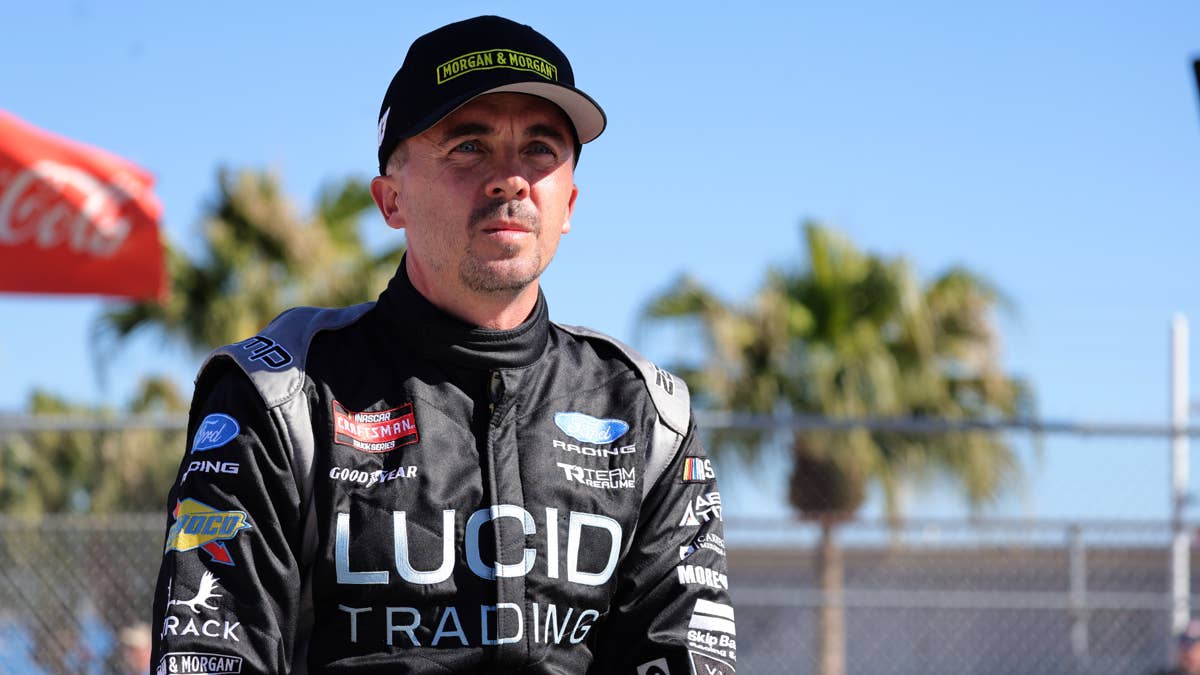
"When the biggest story is how many people are staying home to watch a golf tournament in Georgia, the sport is in a coma," Mayfield stated via Racing News. "If the 'World's Fastest Half Mile' can't out draw a Sunday at Augusta, then NASCAR has officially lost the south. Is it the car? Is it the drivers? Or has the 'Colosseum' just become a graveyard? Tell me I'm wrong." His comments echo growing fan concerns, as highlighted in our recent report, Bristol's Bleachers Tell a Troubling Tale.
A Widespread Ratings Slide
The Bristol blues are part of a broader, troubling trend for NASCAR's television numbers. So far this season, only two Cup Series events have seen year-over-year viewership increases: the season-opening Daytona 500 (up 11%) and the race at Phoenix (a marginal 1% bump). Every other event has faced a decline, painting a clear picture of a sport struggling to maintain its audience in a fragmented media landscape.
This fragmentation is a key part of the puzzle. NASCAR's current media rights deal splits broadcasts across FOX Sports, NBC Sports, Amazon's Prime Video, and TNT Sports. While the strategy maximized television revenue, it has potentially come at the cost of viewer convenience and habit-building. Fans now need a roadmap to find their favorite drivers each week, a complication that analysts believe is directly impacting tune-in rates. The long-term effects of this strategy are a major point of discussion, as explored in our analysis, NASCAR's 2026 TV Ratings Spark Alarm.
An Identity Crisis in the Heartland?
Mayfield's critique goes beyond mere numbers; it strikes at the cultural soul of stock car racing. For decades, NASCAR's bedrock was its deep, passionate connection with Southern fans. The sight of packed grandstands at iconic tracks like Bristol, Talladega, and Darlington was a testament to that bond. The current emptiness, both in seats and on screens, suggests a fraying of that historic tie.
The former driver's challenge—"Tell me I'm wrong"—is now hanging in the air for NASCAR leadership and the entire racing community. Is this a temporary dip, or a fundamental shift in the sport's demographic appeal? The comparison to The Masters, another Southern sporting institution that continues to thrive, only sharpens the question. The golf world has faced its own dramas recently, like Garcia's Masters Meltdown, but its audience remains robust.
As the series moves forward, the pressure is on to diagnose the ailment. Is it the Next Gen car's racing product? A lack of charismatic rivalries among today's drivers? Or simply the unavoidable consequence of a crowded sports calendar and a complicated broadcast schedule? The answers will determine whether NASCAR can reclaim its lost territory or if Mayfield's grim diagnosis becomes the accepted truth.