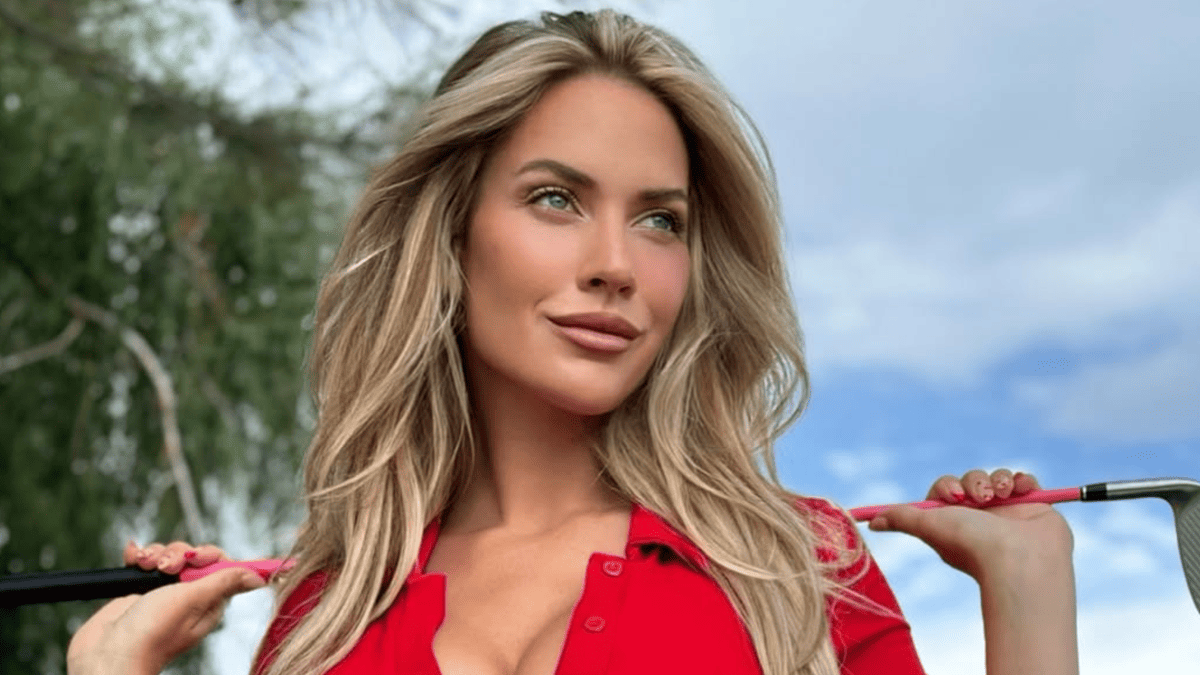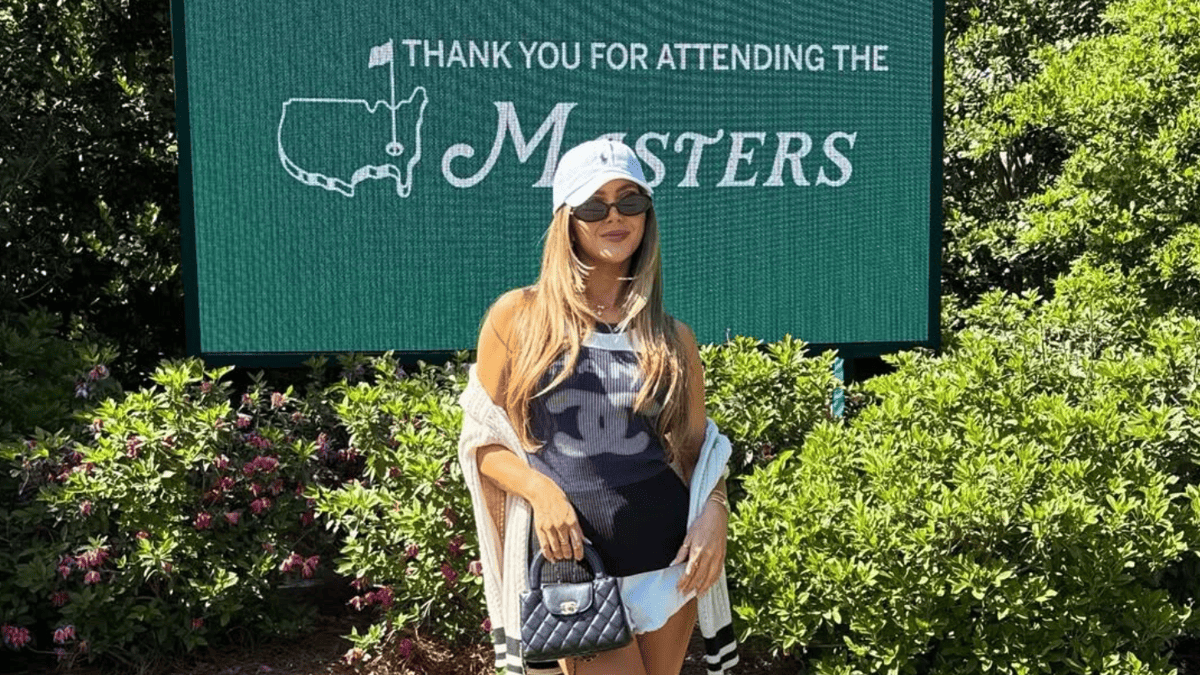
Augusta National's hallowed grounds have long been synonymous with hushed reverence, pristine fairways, and a singular focus on golfing greatness. But a new wave of attendees is testing those sacred traditions, sparking a fierce debate within the sport. The growing presence of social media influencers and A-list celebrities at The Masters has golf purists sounding the alarm, warning that the tournament's unique identity is at risk.
A Fashion Flashpoint Goes Viral
The tension boiled over last week when a New York-based influencer's tournament outfit went viral, dubbed "inappropriate" by traditionalists but defended as fashionable by others. The incident highlighted a stark new reality: events like the Super Bowl, Wimbledon, and The Masters have become premier stages for fashion statements and social media content, a far cry from the scene just a decade ago. While phones remain banned inside the gates, the content frenzy surrounding the event is louder than ever.
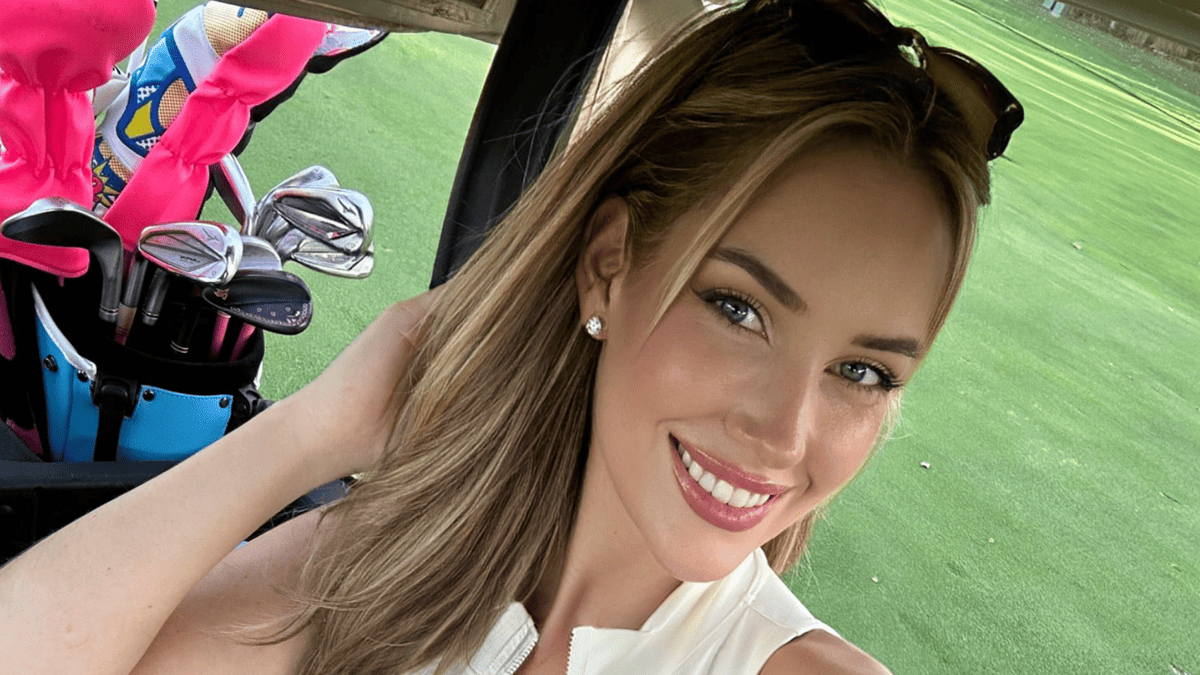
It's not just solo influencers causing a stir. The tournament has rolled out the green carpet for prominent celebrities like Kevin Hart and NFL stars Travis Kelce and Jason Kelce, especially during the relaxed Par 3 Contest. For many fans, this celebrity spotlight feels like a distraction from the main event.
The Purists Push Back
This cultural shift has not gone unnoticed by golf's old guard. In a telling article titled "The Coachella-ization of the Masters Has Golf Purists Concerned," Front Office Sports captured the growing unease. Former Masters broadcaster Peter Kostis didn't mince words, expressing a sentiment shared by many core fans.
"I don't want to tune in to a professional golf event and watch semi-pros and influencers and hacks and whatever," Kostis stated. "I want to see professional golf when I tune in to a professional golf tournament. When I tune in to the Masters I want to see Masters coverage. I don't want to see Waste Management Open coverage."
Kostis issued a direct warning to tournament organizers, emphasizing the weight of decades of tradition. "People have an expectation of what they're going to see... and they're going to be pissed off if they don't get what they want," he warned. "They've got to be careful. They're the last vestige of tradition in televised golf."
Knowing Your Audience
Former ESPN host Trey Wingo echoed the concern, framing it as a fundamental issue of understanding the audience. "You can't cut off your base to find somebody else," Wingo argued. "Know who you're talking to... When you turn on the people that matter the most about the thing that you're putting out there, you have lost the proposition."
Wingo drew a line between quality golf production and extraneous fluff, saying the latter is "being shoved down golf viewers' throats that is turning people away." This internal conflict mirrors other sports culture debates, like when Kirk Herbstreit torched youth sports parents over toxic sideline behavior.
The question now is how Augusta National, a club that meticulously controls every detail, will respond. Will it embrace the new wave of celebrity and social media buzz to attract a younger demographic, or will it pull back to protect the solemn, golf-centric atmosphere that made it iconic? As the sport itself evolves with figures like Bryson DeChambeau making waves—his LIV exit plan reportedly taking shape—the Masters faces its own crossroads. The world will be watching to see if the 2027 broadcast features more birdies or more influencers.