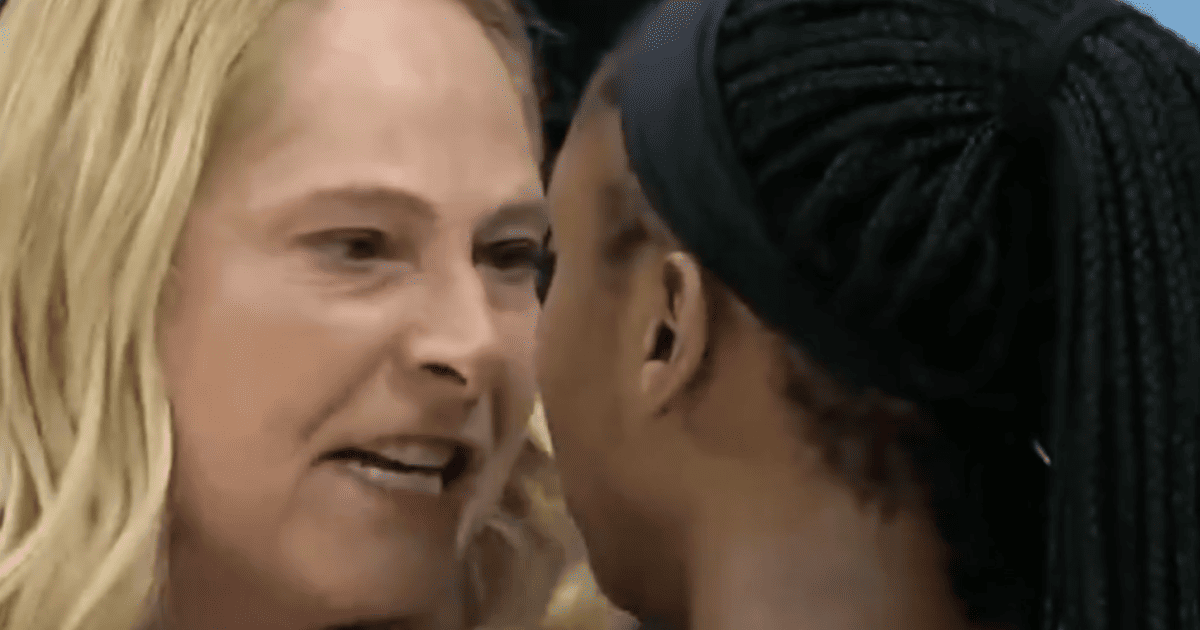
Sometimes a single sideline moment can eclipse the final score. That's exactly what happened during Sunday's NCAA Women's Basketball Tournament clash between No. 4 UNC and No. 5 Maryland. While the Tar Heels advanced with a 74-66 victory, a heated exchange between Maryland head coach Brenda Frese and junior guard Oluchi Okananwa exploded across social media, leaving fans fiercely divided. Was it tough love or a step too far?
The clip spread like wildfire, capturing Frese in an intense, animated conversation with her star player. The internet quickly fractured into two camps: those defending it as passionate, old-school coaching and those condemning it as overly aggressive. The mystery of what was actually said in those pivotal seconds only fueled the debate.
Enter the lip readers. Professionals who analyzed the footage have delivered a surprising verdict. According to their decoding, the core of Frese's message wasn't one of beratement, but of belief. The longtime Terrapins coach, who led the program to a national title in 2006, was heard telling Okananwa, "I believe in you, but you've got to want this moment just as I do..."
This revelation flips the script on the initial outrage. The moment, while undeniably fiery, appears rooted in a coach's deep investment in her player's potential. It seems Frese wasn't tearing down; she was trying to ignite a competitive fire to match her own. In the high-stakes pressure of the NCAA Tournament's opening rounds, such raw emotion is often part of the package.
The most important perspective, however, comes from the player herself. Postgame, Oluchi Okananwa left no doubt about how she perceived the interaction. "I love to be coached hard, and that's what she does with me every single day," the guard stated plainly. Her endorsement underscores a fundamental truth often lost in viral debates: the player-coach relationship is complex and built on a trust that outsiders rarely fully grasp.
This incident taps into a larger, ongoing conversation about coaching styles in modern sports. The debate over "hard coaching" versus perceived negativity is not new, but it finds fresh fuel in the age of instant viral clips. Legendary NBA star Charles Barkley recently jumped into the fray, defending intense coaches like Michigan State's Tom Izzo. "That's called coaching... If you don't want to be coached you probably shouldn't go to Michigan State," Barkley declared. His sentiment easily applies to the situation in College Park, suggesting a generational defense of passionate sideline leadership.
Where do you stand? Is this the kind of motivational fire that forges champions, or an outdated approach that doesn't resonate with today's athlete? The discussion extends far beyond this one game. As the tournament progresses and the spotlight intensifies, every huddle and timeout will be scrutinized. This moment serves as a reminder that in the quest for March Madness magic, the drama isn't confined to the court—it erupts on the sidelines, too.
While Maryland's tournament run has ended, the conversation Frese sparked is just getting started. It challenges fans to look beyond the surface of a viral clip and consider the context, the relationship, and the high-stakes environment of tournament basketball. In an era where every moment is dissected, the line between coaching and controversy has never been thinner.