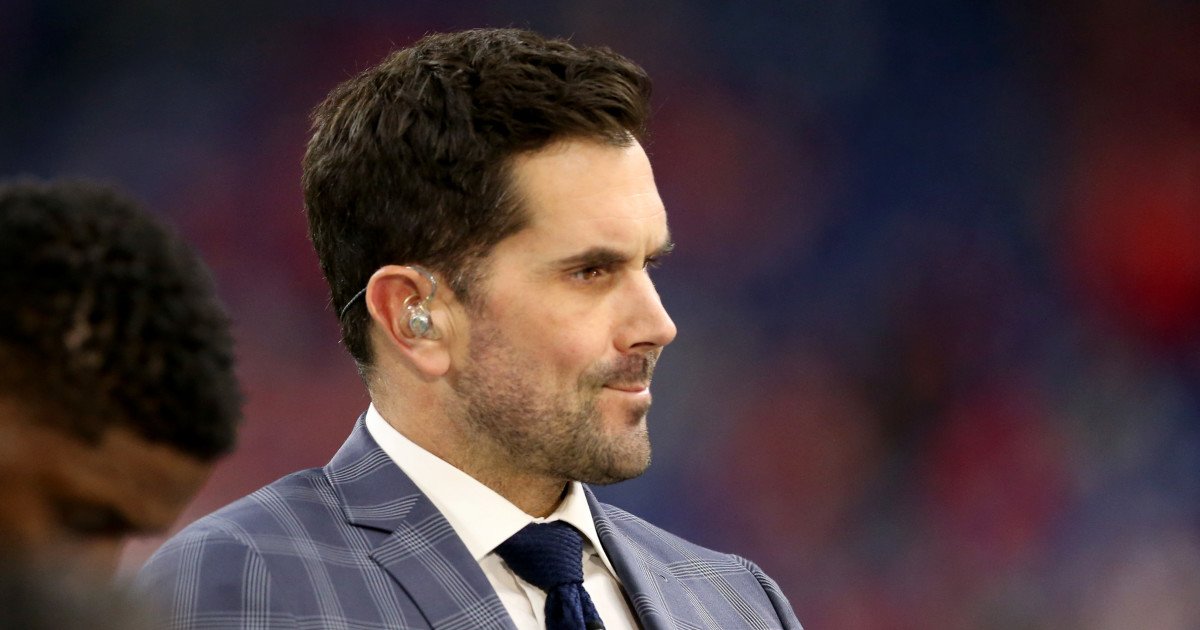
In an era where college football traditions often bend to modern recruiting demands, one Trojan legend is holding the line. Matt Leinart, the iconic quarterback who led USC to a national championship and claimed the 2004 Heisman Trophy, has made it abundantly clear: his retired No. 11 jersey is staying on the shelf for good.
On his Throwbacks podcast, Leinart revealed that USC officials have approached him "multiple times" with a specific request—would he consider un-retiring his famed number for a coveted five-star recruit? His response was as definitive as a fourth-down touchdown pass. "Absolutely f****** not," Leinart stated. "I am never going to un-retire my jersey for some random dude who, by the way, now could wear number 11 and transfer after a year."

A Matter of Legacy, Not Logistics
For Leinart, this isn't about stubbornness; it's about sanctity. The number represents the culmination of one of the greatest careers in college football history, a period of dominance that saw the Trojans reign supreme. He argues that the honor of wearing a retired jersey should be earned on the field, not promised in a recruiting pitch. "That kid, probably the chance of him staying at USC in two years is slim anyway," Leinart remarked, highlighting the transient nature of today's transfer portal landscape. "So it ain't happening, bro. I'm keeping that up there forever."
The former All-American even put a price on his principle, declaring the number "not for sale" even if a recruit backed by a massive NIL deal offered him a million dollars. The only exception? If one of his own sons someday wanted to don the cardinal and gold. With his quarterback son Cole committed to SMU, that scenario remains a distant possibility.
Fans Rally Behind the Trojan Hero
The reaction from the college football world has been a resounding roar of approval. Across social media, fans and analysts have rallied to Leinart's defense, viewing his stance as a necessary pushback against an increasingly transactional sport.
"He earned that jersey retirement," declared NFL podcaster Will Parkinson. "Guy laid blood sweat and tears in the ground with one of the best college careers ever full of awards and titles and dominance. Find another number to wear." This sentiment echoes widely, with many supporters arguing that legacy should not be compromised for potential. As one fan succinctly put it, "Good for him."
The debate touches on a larger tension in modern athletics: how to balance respect for history with the relentless pursuit of future talent. Similar jersey legacy debates have sparked fan fury in the NFL, while other programs face entirely different challenges, like the unprecedented scheduling gauntlets created by conference realignment.
Leinart's unwavering position serves as a reminder of the emotional weight carried by a simple number. It's a symbol that connects generations of fans to specific moments of glory. In an age where player movement is constant, such symbols of permanent achievement become even more precious. This stand for tradition comes as the sports world also processes sudden, tragic losses, like the passing of a young coaching star that reminds us of the human element at the heart of the game.
While USC has not asked recently, Leinart confirmed he "politely declined" when they did. His message is clear: some honors are not negotiable. For Trojan faithful and college football purists, Leinart isn't just protecting a number; he's guarding a piece of the sport's soul, one that values historic achievement over fleeting promise. In doing so, he's given fans a reason to cheer for something beyond the next win—a reason to cheer for respect.