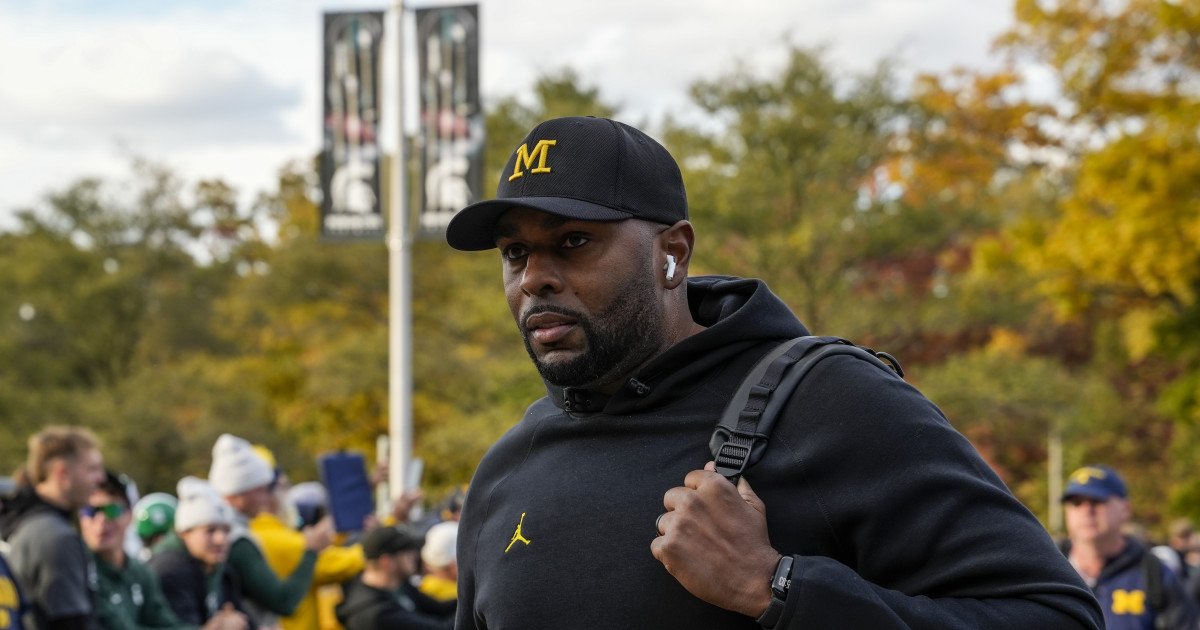
The courtroom saga for former Michigan head football coach Sherrone Moore may have taken a turn with a recent plea deal, but the legal clouds are gathering for a potentially bigger storm. According to a new report, the attorney for Paige Shiver—the Michigan staff member at the center of the scandal—is not ruling out a civil lawsuit targeting both Moore and the University of Michigan itself.
Andrew M. Stroth, Shiver's attorney, expressed clear dissatisfaction with the criminal plea agreement to TMZ Sports. He indicated his team is now exploring all avenues to secure justice for his client and push for systemic changes within the Wolverines' athletic department. "The University of Michigan is recognized as one of the leading academic institutions in the world," Stroth told the outlet, framing the potential suit as a matter of institutional accountability.
A Scandal That Overshadowed Football
Moore's tenure, which saw the Wolverines go 9-3 and reach the Citrus Bowl, ended in spectacular and ugly fashion mere weeks after the season concluded. His termination for cause was quickly followed by an arrest after an alleged attempt to assault Shiver at her home. The incident catapulted the program into a scandal that, for many observers, eclipsed even the infamous sign-stealing controversy in its severity and shock value.
The fallout has been described as one of the most bizarre and tumultuous endings to a coaching stint in recent college football memory. While the criminal case may be winding toward a resolution that reduces Moore's potential jail time, the threat of civil litigation suggests the story is far from closed for the university. This situation echoes other high-profile cases where former staffers' lawyers have demanded accountability from major programs.
What's Next for Michigan Football?
On the field, the Wolverines have moved swiftly to stabilize the ship. The hiring of veteran coach Kyle Whittingham and the successful effort to retain star quarterback Bryce Underwood have provided a measure of optimism in Ann Arbor. While the 2026 season remains a question mark, the program appears positioned to weather the storm from a competitive standpoint.
However, the potential lawsuit looms as a significant off-field distraction. Stroth's allegations of "manipulation, harassment, and exploitation" point toward a case that could delve deep into the culture and oversight within the athletic department. Such legal battles can be lengthy and damaging, as seen in other lawsuits involving former Michigan assistants who felt wronged by the institution.
The coming months will reveal whether Shiver's legal team proceeds with formal action. A lawsuit would ensure that the painful details of this scandal remain in the public eye, challenging the university's narrative of moving forward. It also raises broader questions about the duty of care that powerful athletic departments owe to their employees.
For now, the Michigan football community is left navigating an uneasy peace. The team has its new coach and its quarterback, but the specter of a courtroom battle serves as a stark reminder that the consequences of the Moore era are still unfolding. The pursuit of justice in civil court, much like in high-stakes sports, is often a grueling contest with no guaranteed outcome.