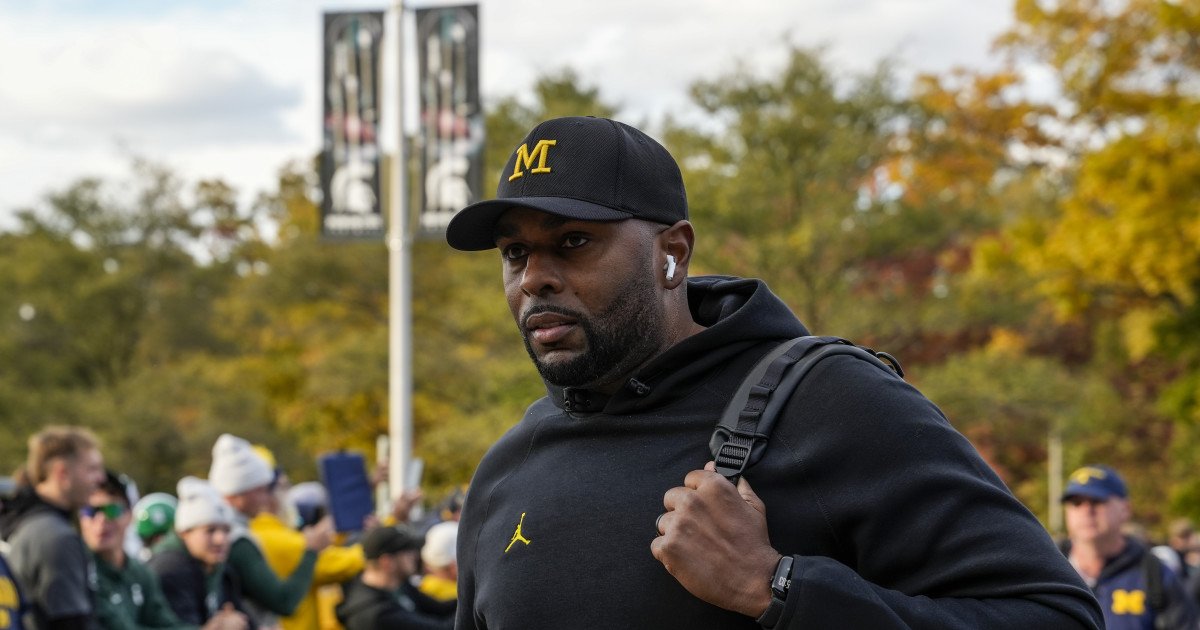
The legal team representing Paige Shiver has launched a forceful call for accountability, demanding the University of Michigan confront what they describe as deep-seated failures within its athletic department. This comes in the wake of the scandal involving former head coach Sherrone Moore, whose departure from Ann Arbor was just the beginning of a troubling story.
A Pattern of Alleged Misconduct
Moore was dismissed by the university in December 2025 following revelations of an inappropriate relationship with staff member Paige Shiver. The situation escalated dramatically when, after Shiver reported their relationship, Moore allegedly broke into her home and made threats of self-harm, leading to his arrest on charges including stalking and home invasion. In a recent court hearing, Moore entered a no contest plea to a charge related to malicious use of telecommunications services.
However, Shiver's attorneys, Andrew M. Stroth and Steven A. Hart, argue the issue extends far beyond a single incident. In a powerful statement, they framed the case as a critical test of institutional responsibility. "This raises urgent and troubling questions about how a powerful figure within a major university athletic program was able to engage in years of inappropriate conduct toward a subordinate without meaningful intervention or oversight," the statement read. They emphasized their client's belief that she may not be the only victim of "inappropriate, coercive, or predatory behavior" from Moore.
Systemic Failures Under Scrutiny
The lawyers did not mince words in their assessment of the Michigan athletic department, contrasting the university's global reputation with what they call a "pattern and practice of systemic failures." Their stated mission is clear: to secure justice for Shiver and ensure similar situations are prevented in the future. "Our pursuit on behalf of Ms. Shiver is to get some level of accountability and justice so this doesn't happen to other individuals," the statement concluded.
This demand for institutional reckoning echoes similar calls for accountability seen in other sports controversies, such as the outrage over Michigan State's Jeremy Fears or the contractual demands made by Jon Jones of the UFC. It highlights a growing expectation for sports organizations to uphold higher standards of conduct and oversight.
The Moore scandal grew more complex with additional allegations surfacing earlier this month. A former Michigan assistant coach, LaTroy Lewis, was accused of sexually assaulting a woman he met on a dating app in December 2024. The legal team for that woman claims Moore, who was leading the program at the time, was informed of the incident but refused to report it, instead allegedly "weaponizing" the information against the accuser. Further, Moore is accused of sending the woman "lewd and sexually charged" messages afterward.
Mounting Pressure on Michigan
Moore's attorney has vehemently denied these new claims, telling ESPN, "Sherrone Moore did not fail to report misconduct, did not reward wrongdoing and did not harass anyone. These claims are false." Despite these denials, the cumulative weight of the allegations paints a picture of a program in crisis, placing immense pressure on Michigan's administration to respond transparently and decisively.
The situation serves as a stark reminder that the culture within elite sports programs requires constant vigilance. Just as studies sound alarms about safety in youth sports, this case underscores the urgent need for robust protective measures for all individuals within athletic departments. The legal demands from Shiver's team are not just about one case; they are a challenge to the entire system that allowed these events to unfold.
As Moore's separate felony criminal case proceeds through the legal system, the University of Michigan now faces a parallel court of public opinion and institutional ethics. The world is watching to see if one of the nation's most prestigious universities will merely weather the storm or undertake the profound reforms being demanded. The outcome will resonate far beyond Ann Arbor, potentially setting a new precedent for how collegiate athletic powers handle internal misconduct and protect their personnel.