With the Fourth of July weekend fast approaching, millions of Americans are heading to the coast for sun, surf, and celebration. But federal and state officials are urging beachgoers to stay vigilant — and for good reason. A harrowing incident involving a 12-year-old boy in the Bahamas has put shark safety front and center just as the holiday beach rush begins.
Parker Roll, a Texas preteen, was enjoying a family vacation on a private beach in the Bahamas when a shark attacked him while he was swimming. His brother, Jack, sprang into action, using his own swimsuit as a tourniquet to stop the bleeding from the bite on Parker’s leg. The quick thinking may have saved Parker’s life. The boy underwent surgery and is expected to recover, but the trauma of the encounter is still fresh.

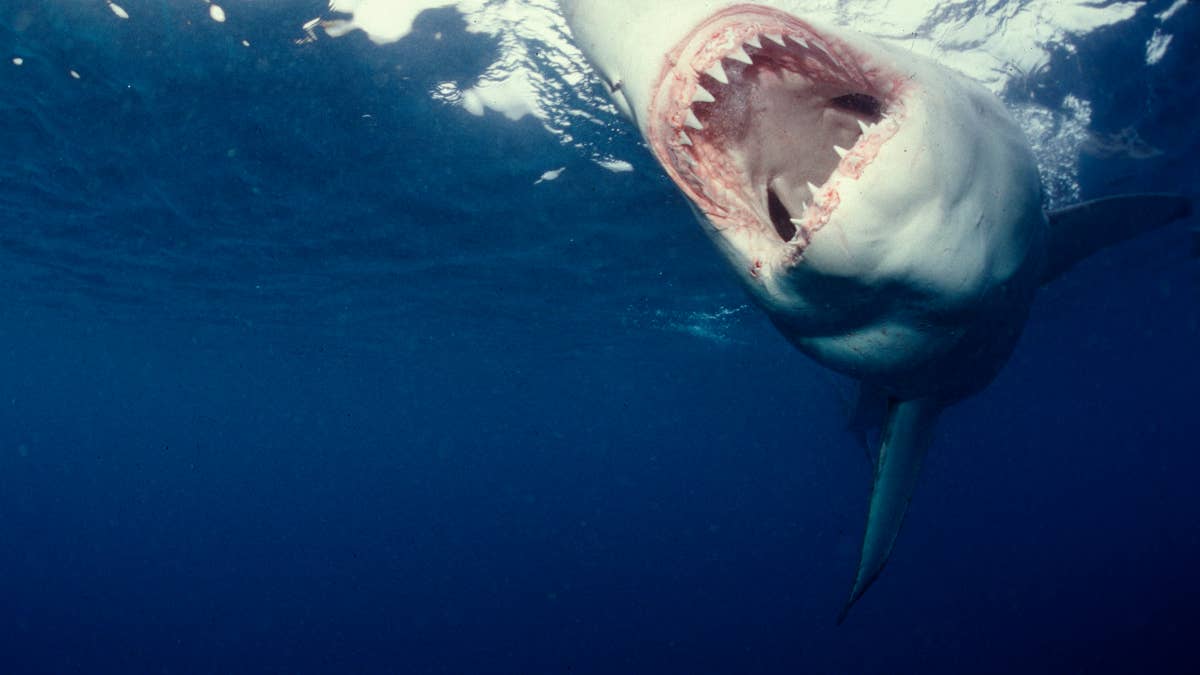
“I just thought I was gonna die,” Parker told Good Morning America. He added that he “didn’t really feel [the bite] at first, because there’s just so much adrenaline.” He vividly recalled looking down and seeing the shark’s head, which he described as “well over a foot wide.”
While the attack occurred outside U.S. waters, the timing couldn't be more relevant. The Fourth of July is historically one of the busiest beach days of the year, and more people in the water means a higher chance of encounters. That’s why authorities are pushing out a list of shark safety reminders aimed at keeping the public safe.
Key tips for a safe holiday weekend
Officials recommend swimming, surfing, or diving with at least one buddy and staying close to shore where help is readily available. Avoid the water at dawn, dusk, and nighttime, when many shark species move closer to shore to feed. However, be aware that tiger sharks have been known to bite at any hour.
Never enter the ocean if you have an open wound or are bleeding — sharks can detect tiny amounts of blood and body fluids. Stay clear of murky water, harbor entrances, river mouths (especially after heavy rain), channels, and steep drop-offs, as these are prime shark habitats.
What to wear — and what to avoid
High-contrast clothing and shiny jewelry can attract sharks because of their keen eyesight. Keep splashing to a minimum and leave pets on the beach, since their erratic movements can draw attention. If you see a shark, leave the water calmly and quickly; never provoke or harass even a small shark.
Pay attention to wildlife cues. If fish or turtles start acting strangely, get out. Dolphins are actually prey for some large sharks, so their presence isn’t a guarantee of safety. Also, remove speared fish from the water immediately and stay away from people who are fishing or spearfishing. Avoid any dead animals floating in the water.
These reminders come amid a broader pattern of wildlife encounters making headlines. Just last month, a bison attack at Yellowstone sent a 12-year-old to the hospital, underscoring that nature doesn’t take holidays.
As you pack your sunscreen and cooler this July Fourth, remember that the ocean is a wild place. A little caution goes a long way toward ensuring your beach day ends with fireworks — not an emergency room visit.