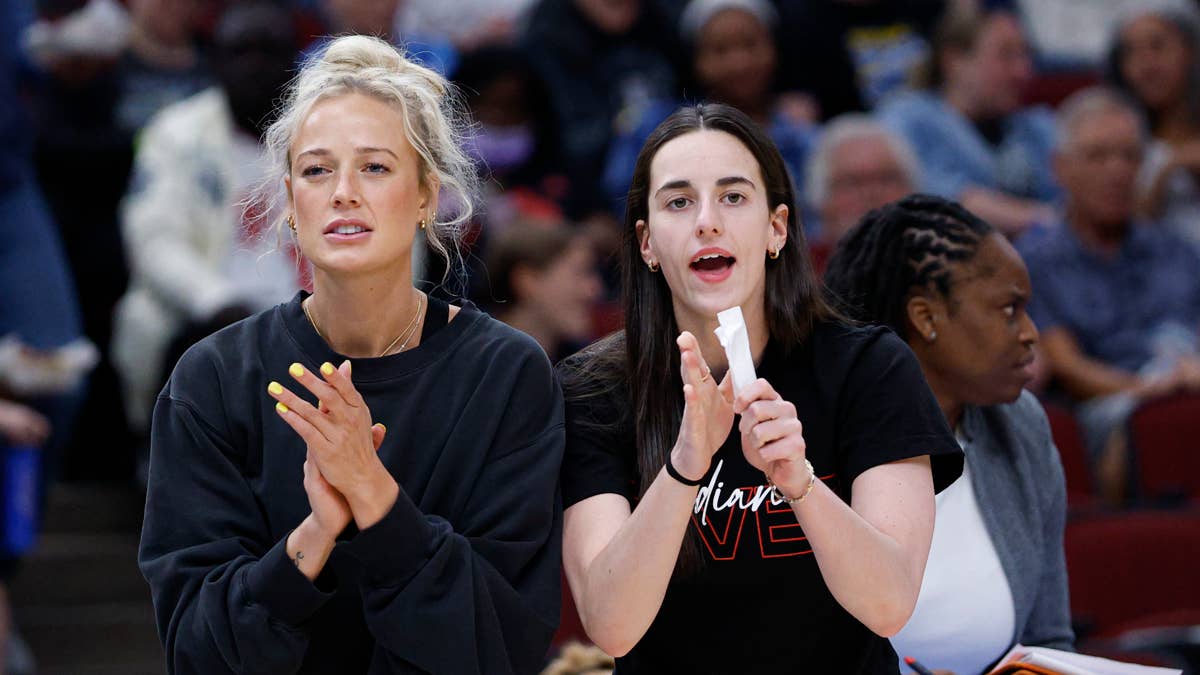
The Indiana Fever's decision to keep Caitlin Clark and Sophie Cunningham away from reporters after Tuesday's win in Seattle has sparked a firestorm, and former ESPN star Jemele Hill is leading the charge. Hill didn't hold back, accusing the pair of building their brands on being outspoken while dodging the tough conversations that come with it.
After the Fever topped the Storm 18-10, reporters were eager to ask Cunningham and Clark about the former's stance on transgender athletes in women's sports—a topic that's been swirling around the league. But the Fever pulled Clark from the scheduled postgame press conference, replacing her with Kelsey Mitchell despite Clark leading the team in scoring and assists. Cunningham wasn't made available either.
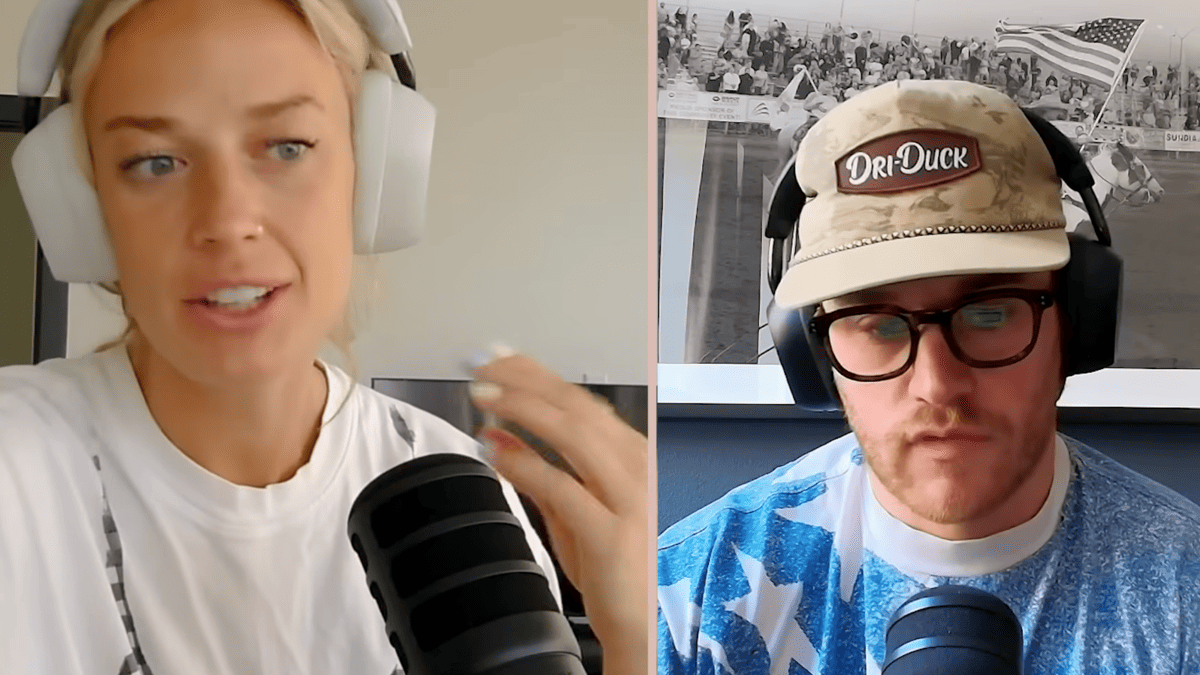
Roberta, a prominent women's basketball reporter, called out the Fever on social media, noting that Clark was listed for the presser but swapped out at the last minute. The move didn't sit well with Hill, who took to X to voice her frustration.
“Just a couple weeks ago, Sophie Cunningham was asked about the negative attention the W receives and she essentially said, that’s part of the job and she realizes she’s an entertainer. Cool. She’s building an entire brand on being outspoken and yet when the smoke came, she ducked it,” Hill wrote. She added that the Fever “betrayed their other players and Stephanie White by putting them in a position to answer to something they didn’t say.”
Hill didn't stop there. She argued that the rally supporting Cunningham outside the arena made the questions unavoidable. “If a rally is taking place outside the arena, you don’t want until later to ask about it. If Sophie Cunningham is going to build a brand behind being outspoken, her and the Fever are going to have to take the (expletive) that comes with it. Don’t be in it for the jersey sales and then when people start asking questions, you want to run. It doesn’t work that way.”
The controversy echoes earlier tensions in the WNBA, including Elle Duncan's challenge to Clark to speak out against toxic fans. It also mirrors the backlash Cunningham faced after Seattle's crowd sent a loud message during the game.
Neither Clark nor Cunningham have publicly addressed the decision to skip the postgame questions. But Hill's pointed criticism has put the spotlight back on the WNBA's ongoing struggle with handling controversial topics. The support from figures like J.K. Rowling for Cunningham's views has only added fuel to the fire.
For now, the Fever's strategy of shielding their stars seems to have backfired, drawing more attention to the very questions they tried to avoid. As Hill put it, if you're going to build a brand on speaking out, you have to be ready to answer for it—whether the questions come from reporters or the crowd.