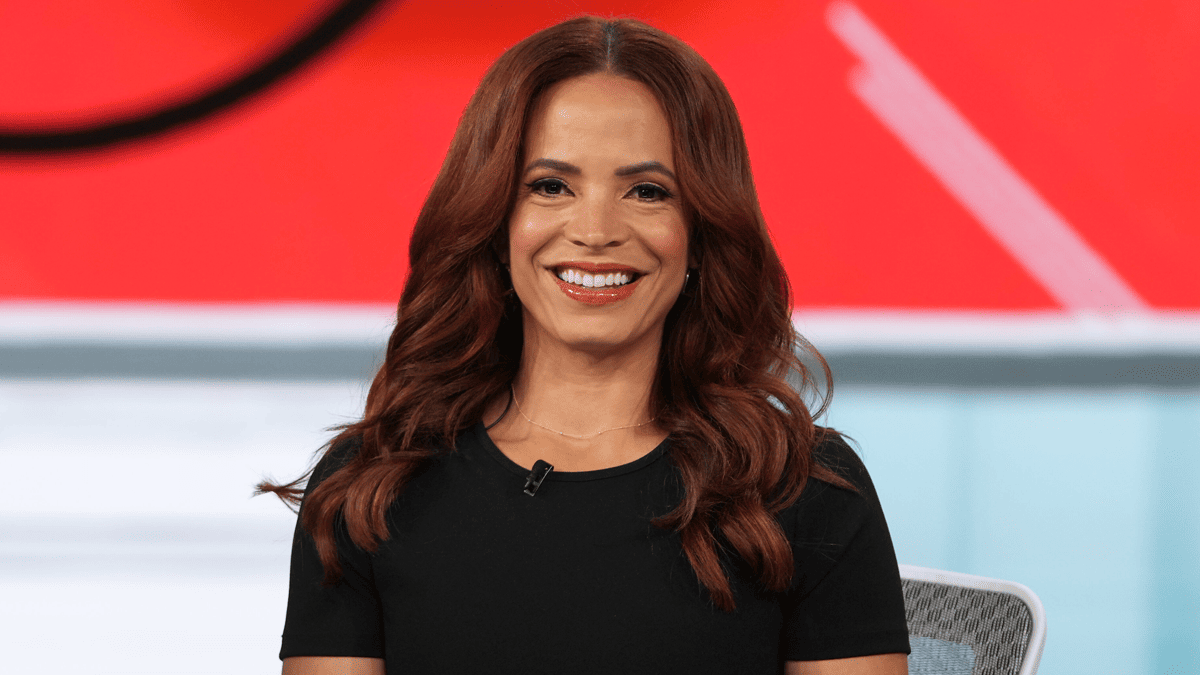
Caitlin Clark has been the center of a media whirlwind since entering the WNBA, and the Indiana Fever rookie is clearly exhausted by it all. But longtime sports media figure Elle Duncan isn't letting her off the hook—she's issuing a public demand for the young star to step up and take control of the narrative.
Clark, the No. 1 overall pick in the 2024 draft, recently opened up about the relentless attention in an interview with ESPN, saying, “I think a lot of it is not always based in reality. I feel like media and journalism have a responsibility to tell the stories, and a lot of the time you guys are the ones controlling the narratives… And that can be confusing to somebody that’s 24 and trying to navigate life and trying to help her team win a championship.” It was a plea for the focus to return to basketball, but Duncan isn't buying it.
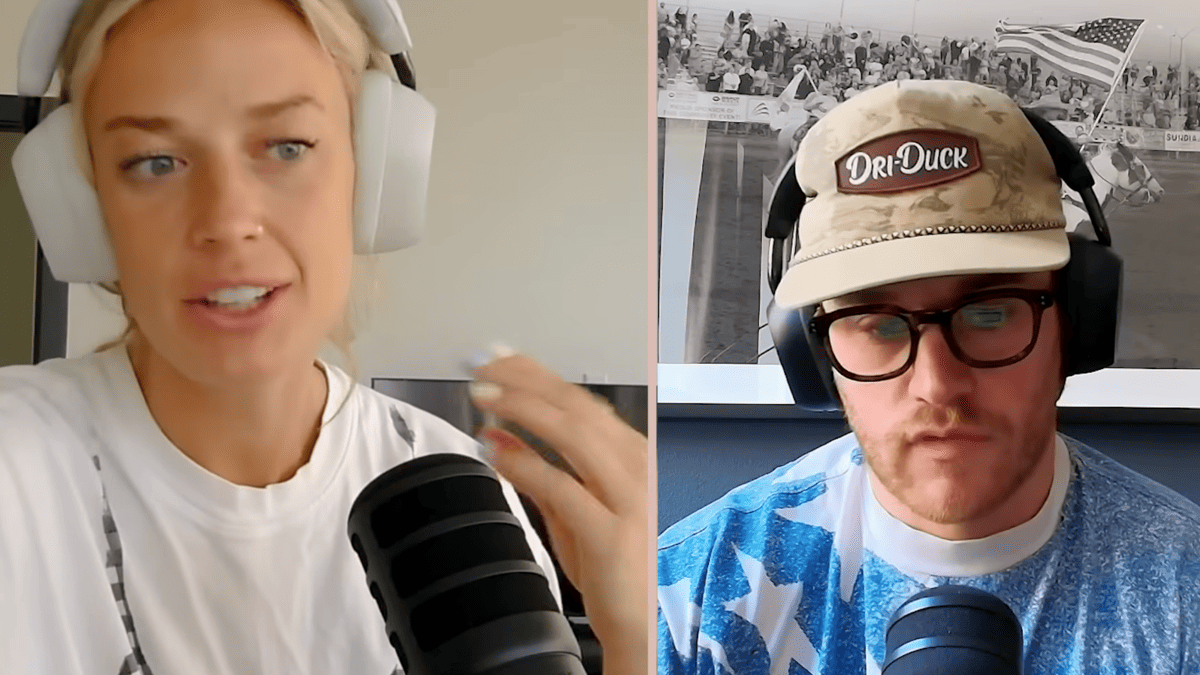
Appearing on The Sports Gossip Show podcast, the former ESPN host and current Netflix personality didn't mince words. “I would love for it to be very clear to the people who think they are her fans but are using her, if she would say, ‘stop that (expletive), I don’t want it, I’m tired of it.’ As opposed to what we’ve seen, which is ‘the media makes up these narratives, the media makes up this discourse,’” Duncan said.
Duncan pushed back on Clark's claim that the media is fabricating controversy, pointing to real-world examples. “That’s not true. The media highlights the stories, and they show it, but at the same time, like, the media did not make up that members of Congress are trying to get literal government intervention into whether you get fouled too hard. Like, this stuff has to stop.” She's referring to the bizarre political discourse that has swirled around Clark's on-court treatment, which has drawn attention from lawmakers.
The criticism echoes a broader conversation about the drama that often surrounds Clark, with fans and pundits alike debating her role in shaping her own public image. Duncan acknowledges Clark's immense talent but insists that silence isn't an option when fans are using her name to push harmful agendas.
“So let’s try to figure out how we can get you to that reality where you get to just focus on this,” Duncan concluded, urging Clark to take a more active stance. The demand comes amid calls from figures like Barack Obama for Clark to preserve her joy in the game, but Duncan wants action, not just empathy.
Clark's camp has yet to respond publicly to Duncan's remarks, but the pressure is mounting. As the mental toll of the spotlight becomes clearer, the question remains: will Clark speak out directly to the toxic elements among her fanbase, or will she continue to deflect blame onto the media? Duncan has made her demand—now it's up to Clark to answer.