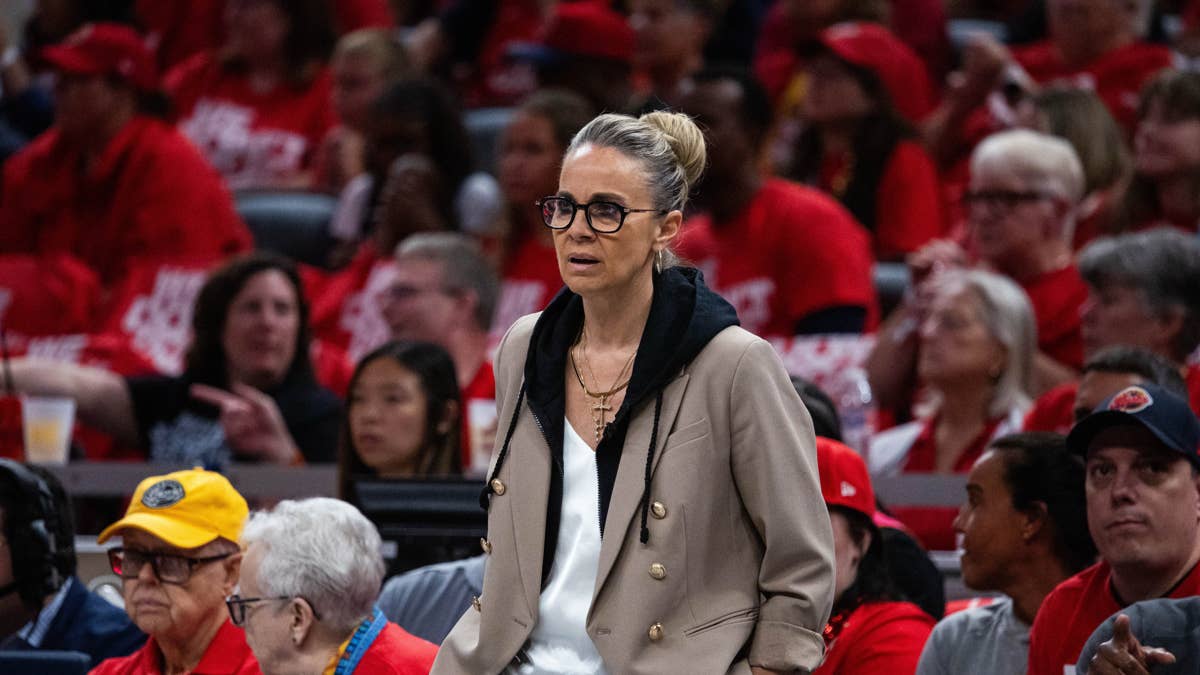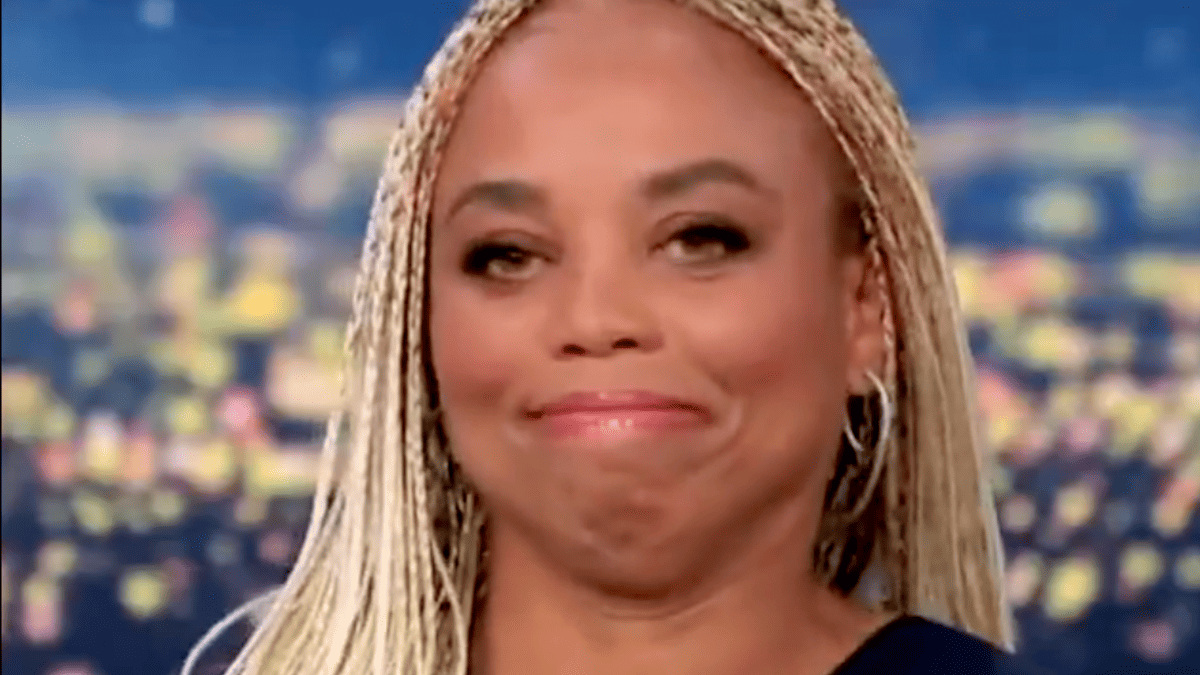
The debate over Caitlin Clark's treatment in the WNBA has taken a political turn, with former ESPN personality Jemele Hill going head-to-head with a U.S. congressman. The issue? Whether the league is doing enough to promote its biggest star.
Pennsylvania Representative Brendan Boyle didn't hold back earlier this week when he criticized the WNBA for failing to capitalize on Clark's star power. The congressman, who admitted he's not a regular WNBA viewer, compared the rookie phenom to Michael Jordan in terms of marketing potential.
“Admittedly I’m not a big WNBA fan and won’t be until Philly gets a team. But it’s just bizarre to me they don’t market the one player they have who attracts so many fans, and that’s Caitlin Clark,” Boyle said. “It’s so strange. I remember the way the NBA marketed Jordan to the hilt.”
Hill, never one to shy away from a heated exchange, fired back with a pointed response on social media. She questioned how Boyle could judge the league's marketing efforts without actually watching its games.
“If you’re not a big WNBA fan and don’t watch, then how would you even know how they market Caitlin Clark?” Hill replied. “You’re also wrong, but please continue with your sizzling take.”
The clash highlights a broader conversation about Clark's role in the league. While some fans argue the WNBA hasn't done enough to protect her—especially after an incident where she was hit in the throat by Phoenix Mercury star Alyssa Thomas—the numbers tell a different story when it comes to exposure. Indiana Fever games are now regularly featured on national television or major streaming platforms. According to Sports Media Watch, a recent matchup between the Fever and the Atlanta Dream drew an average of 816,000 viewers on Prime Video, a 19% increase from their previous meeting. Prime Video is averaging 504,000 viewers for WNBA games this season, outpacing linear networks by 33% among adults 18–34.
This isn't the first time Clark's on-court treatment has sparked debate. Joy Taylor called out the idea of special protection for Clark, while Sophie Cunningham accused the league of letting teams target her. Even WNBA legend Lisa Leslie weighed in, calling for everyone to do better after the Clark-Thomas incident.
As for Boyle's claim that the WNBA isn't marketing Clark effectively, the data suggests otherwise. The Fever's games are drawing strong viewership, and Clark remains a central figure in the league's promotional campaigns. Hill's pushback serves as a reminder that even well-intentioned critiques can miss the mark when they come from outside the sport.
For now, the debate rages on—but one thing is clear: Caitlin Clark is far from being overlooked.