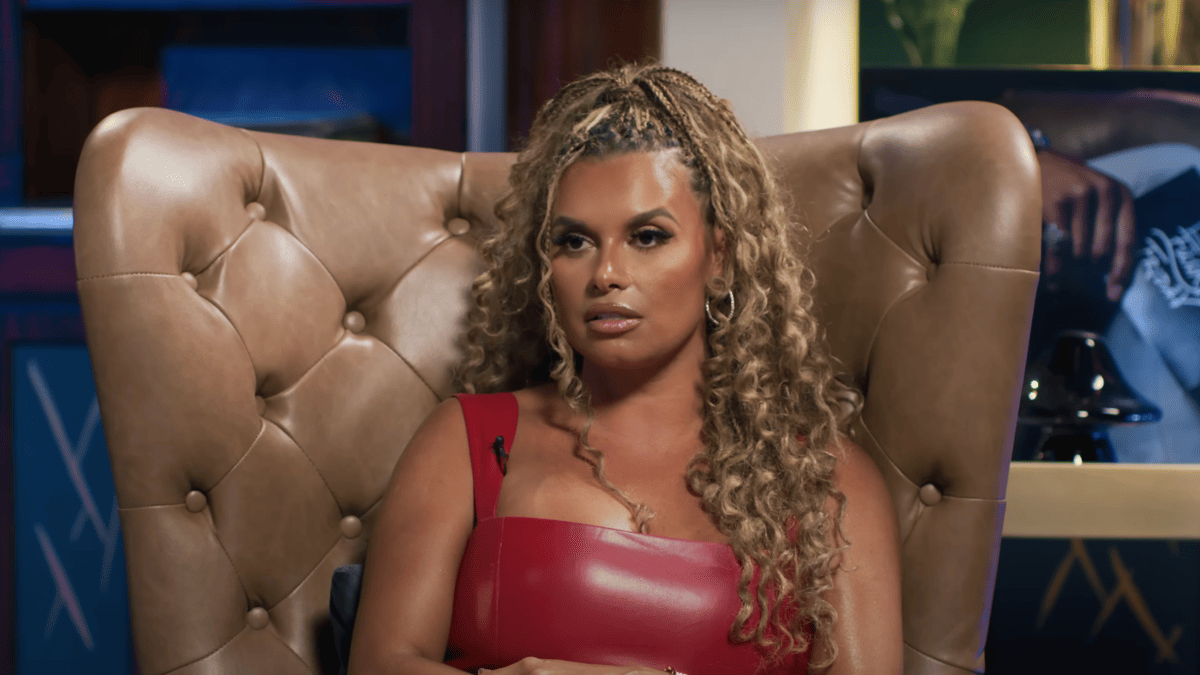
Joy Taylor may have left FS1, but she hasn't left her hot takes behind. The former “Speak” host recently took to Instagram to weigh in on the ongoing debate about Caitlin Clark and whether the WNBA should give the rookie extra protection on the court.
Taylor didn't hold back. She called the idea of special rules for Clark not just unnecessary, but outright demeaning to the player and the entire league.
“It’s so dismissive of who she is as a talent. It’s so demeaning to the league and to the women who play in the WNBA. It’s so ridiculous all around,” Taylor said in a video posted to her Instagram. “You would never talk about a male player like this. … You would never say that a male rookie player should have special rules and be protected by the league.”
The conversation erupted after Clark was roughed up in a game against the Phoenix Mercury, with a pair of non-calls raising questions about whether the league is doing enough to safeguard its biggest star. But Taylor argues that the very premise is flawed.
“Listen to what the (expletive) you’re saying. We’re talking about a professional sports league. And you say this and I’m the crazy one,” Taylor continued. “We’re talking about real competition, a real league, with real professional players who get paid money to play this sport, and you think that the league and the other players should treat her differently and protect her in a contact sport where size and physicality are beneficial. And you think that makes sense?”
Taylor’s take comes amid a broader debate about the WNBA’s handling of physical play against Clark. Some, like Sophie Cunningham, have accused the league of letting teams target Clark, while others, like Chiney Ogwumike, have defended the physicality, suggesting Clark can embellish contact. The league even suspended Alyssa Thomas for a throat shot on Clark, a move that only fueled the fire.
But Taylor isn't buying the argument that Clark needs a bubble. She sees Clark as an elite competitor who can handle the heat.
“The (expletive) are you talking about? She is an elite competitor, an unbelievable player, and she’s not as physically strong as some of the other women in the league. Please stop saying this dumb (expletive),” Taylor said.
With the WNBA now in Year 3 of what feels like an endless culture war around Clark, the question remains: will the league ever take a definitive stance to put these debates to rest? Or will the conversation keep churning as long as Clark is on the floor?
One thing is clear: Taylor, like many fans, is tired of the narrative that Clark needs special treatment. She’s calling for the WNBA to treat Clark like any other professional—and let her game do the talking.