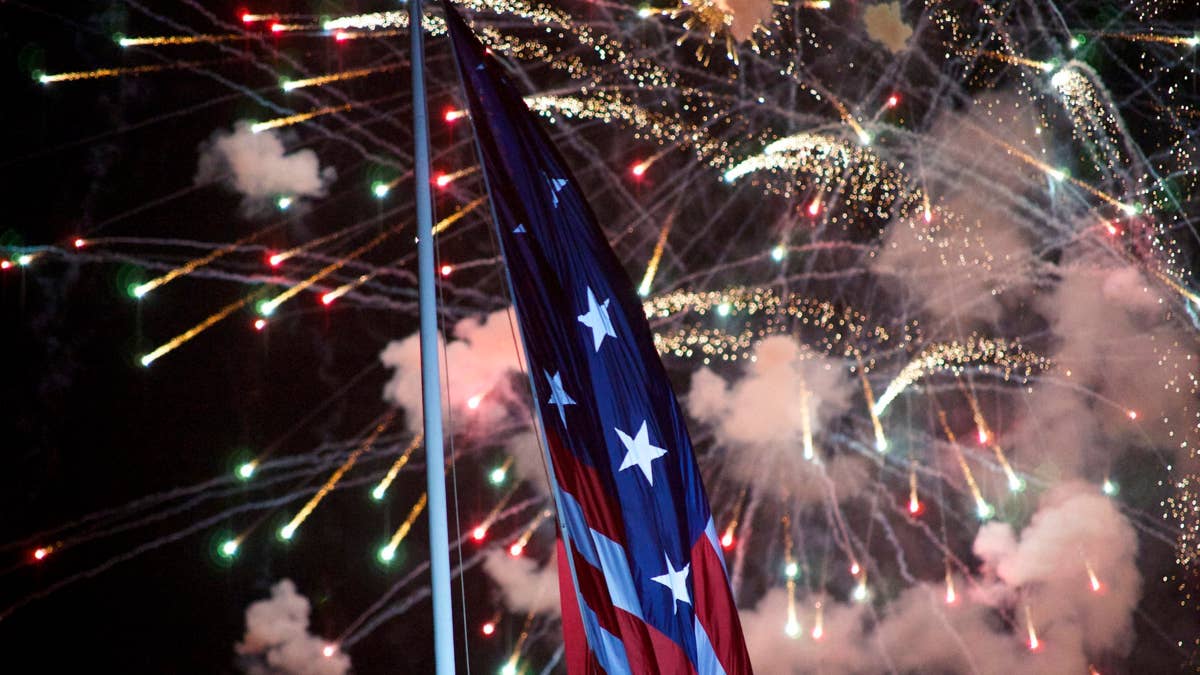
As the nation gears up for a spectacular Fourth of July weekend, the excitement of fireworks is tempered by a stark reality: those dazzling displays can turn dangerous in a flash. Federal data reveals that nearly 15,000 people sought medical treatment for fireworks-related injuries in 2024, with 11 of those cases tragically resulting in death. That’s a sobering statistic that has health officials sounding the alarm.
According to the U.S. Consumer Product Safety Commission, the numbers are a grim reminder that even small, seemingly harmless sparklers pack a punch. Joe Zarembski, a nurse practitioner in the Emergency Department at Piedmont Medical Network, warns that sparklers can reach extreme temperatures capable of causing serious harm. “From the small first-degree burns where it just kind of scrapes the layer of the first skin — extremely painful going into your second degree, and worse,” Zarembski told WCNC. “So, second degree you get your blisters, but then third degree and on, you get down into muscle and deeper tissue which could become more problematic.”

That’s a risk that can turn a backyard celebration into a hospital visit. But it’s not just about personal injury—fireworks also pose a fire hazard, especially amid the scorching heat wave gripping parts of the country. With temperatures soaring above 105 degrees in some regions, dry conditions can turn a stray spark into a wildfire.
Valerie Quick, trauma program director with UVA Health, emphasizes the importance of preparation. “You want to have a bucket of water or a garden hose handy so anything that doesn’t go off needs to be placed in that,” Quick said, via WSET. “And then afterwards any sort of remnants are really doused down with water so that you reduce the chance of fire happening.”
This advice comes as coastal communities are also dealing with other July Fourth hazards, including a shark warning after a recent attack in Texas. But for those lighting fireworks, the focus should be on safety basics: never relight a dud, keep a safe distance, and supervise children at all times.
While many states have strict laws on fireworks—California, for instance, bans most consumer fireworks—people still find ways to celebrate. The key is doing it responsibly. Whether you’re hosting a backyard show or watching a professional display, the message from experts is clear: don’t let a moment of carelessness ruin your holiday.
As you prep for the big day, remember that other health warnings are also in effect, from flesh-eating bacteria in coastal waters to severe thunderstorms threatening the Plains. So stay informed, stay safe, and make this Fourth of July memorable for all the right reasons.