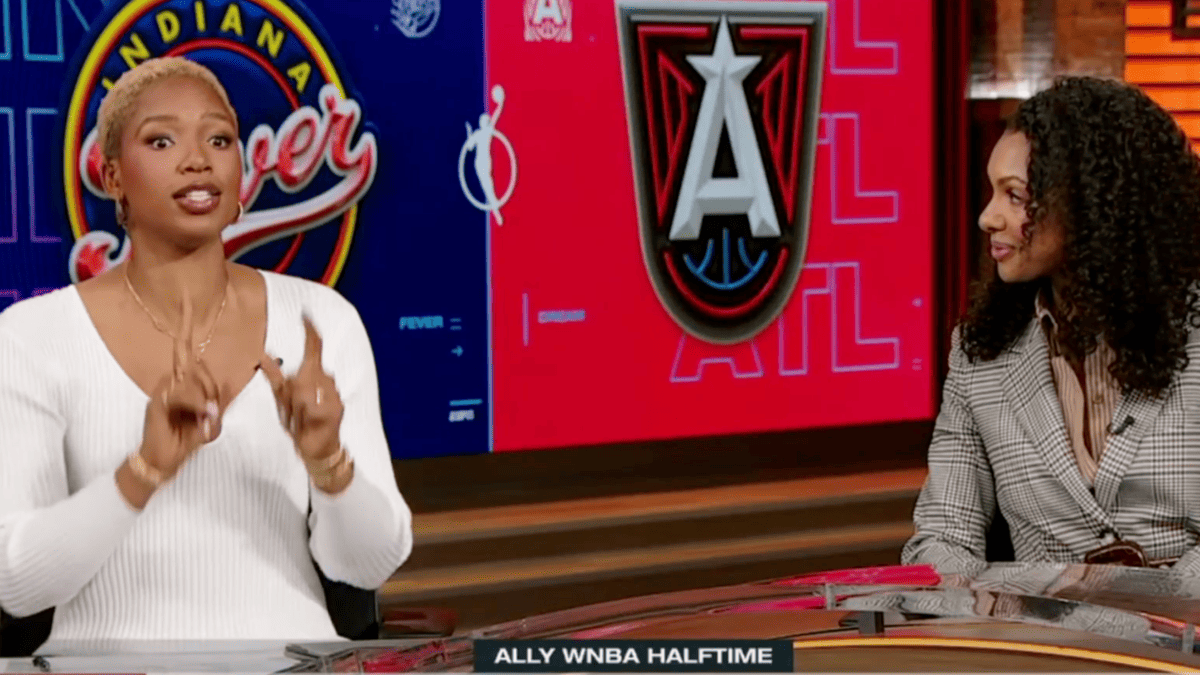
ESPN is facing mounting pressure from fans to shake up its WNBA halftime show after Sunday's broadcast drew accusations of blatant bias. The network's coverage of the Indiana Fever's overtime thriller against the Atlanta Dream on August 16 left many viewers scratching their heads—and not because of the on-court action.
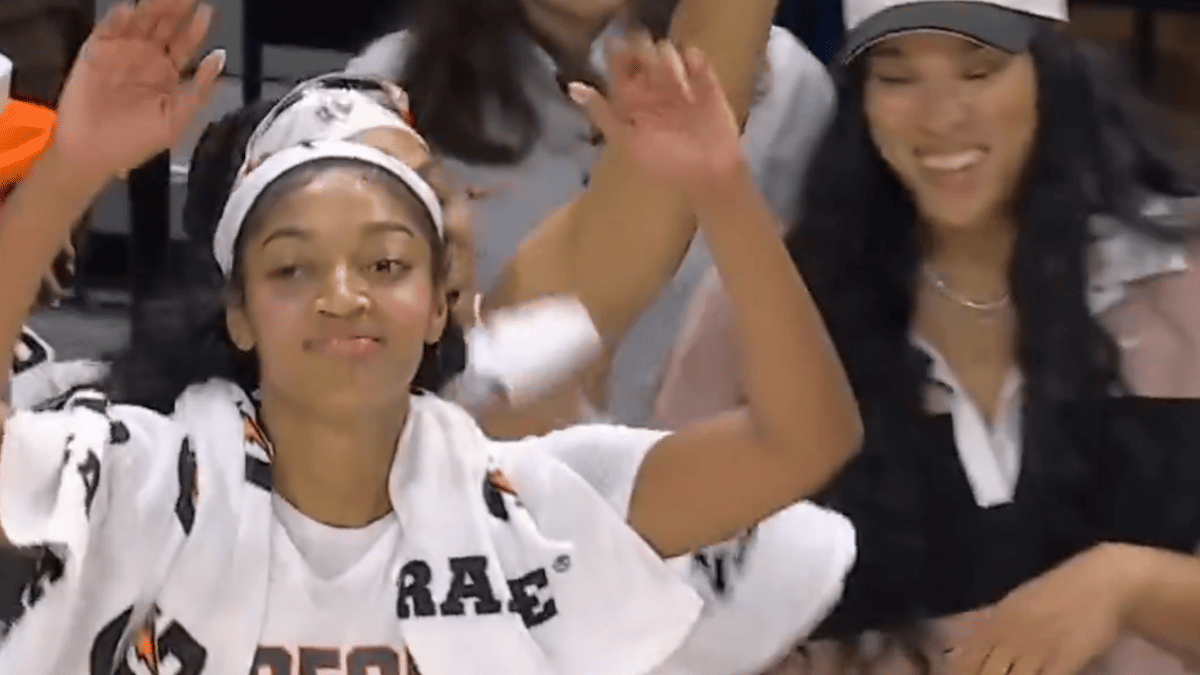
The Fever edged out the Dream in a nail-biter that had playoff implications, with Caitlin Clark delivering a stellar 26-point, 9-assist performance. But instead of highlighting Clark's heroics, the halftime crew—Malika Andrews, Monica McNutt, Chiney Ogwumike, and Andraya Carter—spent a significant chunk of time singing the praises of Angel Reese, who struggled mightily in the first half, shooting just 3-of-10 from the field.

McNutt argued that Reese's energy, despite her shooting woes, shifted the game's momentum. "Her energy shifted," McNutt said. "I thought when she got some of those easy baskets to go in the paint that, quite frankly, she had struggled with to open the ball game, that's when you saw this defense starting to pick up its energy." Ogwumike echoed that sentiment, calling Reese's energy "contagious."
But fans weren't buying it. Social media erupted with criticism, accusing ESPN of pushing a narrative that ignores Clark's dominance. "The ESPN biased crew cannot say the truth—Caitlin Clark is the face of women's basketball globally, end of story," one fan tweeted. Another demanded, "ESPN needs to make some changes," while a third went as far as calling the network "worse propaganda than the political news media."
The backlash isn't just about one game. It's part of a growing frustration among WNBA fans who feel the network's coverage often overlooks Clark's impact in favor of other storylines. This isn't the first time ESPN's halftime show has come under fire, and the criticism has intensified as the league's popularity surges, thanks in large part to Clark's star power.
Some fans pointed out the stark contrast between Clark's performance and Reese's, noting that other players like Gray and Timpson were also playing well. "I watched the first half and couldn't believe how bad she was playing. Meanwhile Gray, Caitlin, and Timpson playing awesome. What are we doing?" one frustrated viewer wrote.
The debate over ESPN's coverage has even drawn comparisons to other sports broadcasting controversies, such as the recent backlash over the Jonas Brothers' halftime selection for the NFL's historic Australia game. The pattern suggests a broader issue with how networks handle halftime programming and commentary.
As the WNBA playoffs approach, with the Fever and Dream potentially meeting in the first round, the spotlight on ESPN's coverage will only intensify. Fans are demanding more balanced analysis that reflects what's actually happening on the court. Whether the network will heed those calls remains to be seen, but the pressure is clearly mounting.
For now, the message from the fanbase is loud and clear: give Caitlin Clark her due, or risk losing the audience that has helped fuel the league's recent growth. The ball, as they say, is in ESPN's court.