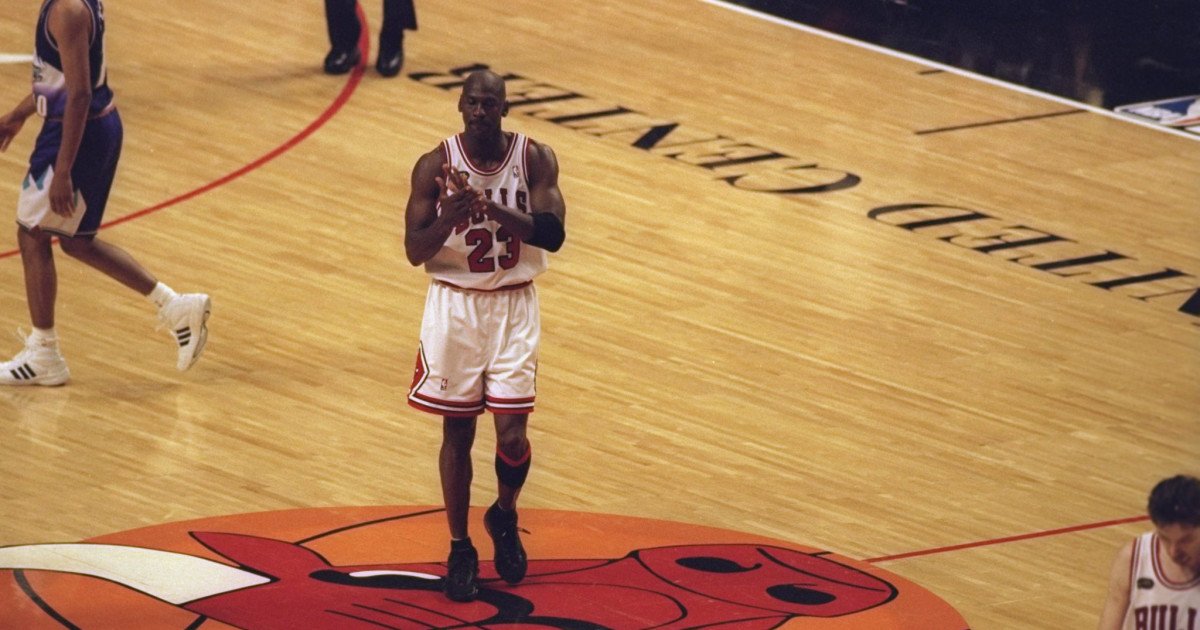
Three decades ago, the sports world stood still for two words. Not a dramatic press conference, not a primetime special—just a faxed statement that read "I'm back." On March 19, 1995, Michael Jordan, after a stunning 21-month retirement to play minor league baseball, returned to the Chicago Bulls, creating a cultural earthquake that reverberates to this day.
The anticipation for that night's game against the Indiana Pacers was unlike anything the regular season had ever seen. NBC, with Bob Costas and Marv Albert on the call, broadcast the event to a captivated nation. Fans weren't just tuning in for a basketball game; they were witnessing the resurrection of a legend.

The Return to the Hardwood
Stepping onto the court in Indianapolis, Jordan wore number 45, leaving his iconic 23 in the past—for the moment. The result was a gritty, overtime loss to the Pacers, with MJ putting up 19 points on 7-of-28 shooting in 43 minutes. The stat line was rusty, but the message was clear: His Airness was back in the building.
His departure had been as shocking as his return. At the peak of his powers in 1993, fresh off a third championship, Jordan retired, citing emotional exhaustion following the tragic death of his father. To honor his dad's dream, he traded sneakers for cleats, signing with the Chicago White Sox organization. As Birmingham Barons announcer Curt Bloom recalled to ESPN, "He worked his butt off, but he enjoyed himself and bonded with the team. I swear, he was going to the majors."
The Foundation of a Second Dynasty
The 1995 playoff run ended with a defeat to the Orlando Magic, but it was merely a prelude. That summer, Jordan rededicated himself, famously reclaiming his number 23. What followed was one of the most dominant stretches in sports history: a second three-peat from 1996-98, cementing the Bulls' dynasty and Jordan's status as the game's ultimate winner.
This singular comeback reminds us that the greatest careers are often defined by resilience and return. It's a theme seen across sports, from Jalen Hurts' revelation about nearly quitting football to the powerful sideline moments that reveal an athlete's heart.
Jordan's baseball interlude remains a fascinating 'what if.' Yet, his return fundamentally altered the NBA's trajectory. It delivered iconic moments that would fill highlight reels for generations, much like the drama we see today during the frenzy of March Madness.
Thirty-one years later, the echo of that fax machine is still heard. It wasn't just a player returning to work; it was the definitive chapter in the myth of Michael Jordan, proving that even legends can write a second act. The comeback game set the stage for three more titles and forever secured his legacy, reminding us why some moments in sports truly are timeless.