The open road calls to many, but this week it has answered with tragedy. U.S. safety officials have sounded the alarm after a devastating weekend crash in Florida marked the fifth fatal motorcycle accident in just seven days, prompting an urgent nationwide warning for every rider.
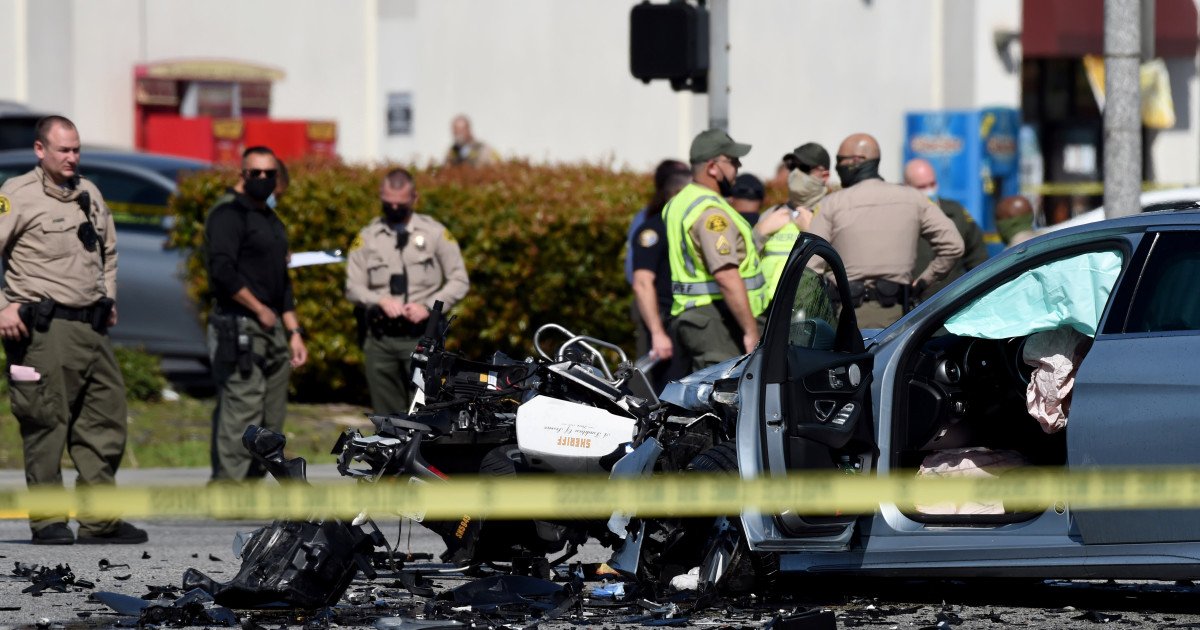
The latest incident unfolded Saturday evening on Highway 97 near Hendricks Lane. According to the Florida Highway Patrol, a 54-year-old man from Stapleton, Alabama, was traveling north when his motorcycle entered the southbound lane, resulting in a catastrophic head-on collision with a pickup truck. Both vehicles were forced off the roadway, and the motorcyclist did not survive.

This heartbreaking event is not an isolated incident. It caps a grim week where nearly every fatal crash shared a common, terrifying thread: a head-on collision. These tragedies underscore a brutal reality of motorcycle travel—even when a rider operates flawlessly, they remain exceptionally vulnerable on roads shared with larger vehicles.
"While motorcycles remain a popular and thrilling mode of transportation, they can be incredibly dangerous, even if the motorcyclist is not at fault," the warning emphasizes. The call to action is clear: defensive riding isn't just a skill; it's a necessity for survival.
A Blueprint for Survival on Two Wheels
In response to the spike in fatalities, authorities have outlined a comprehensive set of defensive strategies. The cornerstone is the "SEE" method—Search, Evaluate, Execute—a continuous process of scanning the road, assessing potential hazards, and acting decisively to avoid them before a crisis unfolds.
Key recommendations form a rider's essential checklist: constantly create space and time to identify traps and escape routes; use lane positioning strategically to maximize visibility; and be hyper-vigilant at intersections, where turning vehicles pose a major threat. The guidance is blunt: ride as if you are invisible to other drivers.
Beyond technique, the warning stresses fundamental responsibilities. Always use turn signals, never ride while impaired by fatigue, alcohol, or drugs, and know the rules of the road inside and out. This holistic approach aims to empower riders with the mindset and tools to navigate inherent dangers.
A Pattern of Preventable Tragedy
This urgent alert echoes other recent safety crises where recreational activities turned deadly. It follows similar warnings, like the urgent snowmobile safety alert issued after a ninth fatal crash, and the winter safety warning sparked by a tragic sledding death. Each case highlights how routine enjoyment can quickly turn perilous without proper caution.
The message resonates beyond highways, reminding communities of the fragility of life during everyday activities. Similar shockwaves were felt in a high school community reeling after a teacher's tragic death in a student prank, a stark reminder that safety awareness must permeate all aspects of life.
As riding season approaches for many, this warning serves as a critical, somber reminder. The thrill of the ride must be balanced with an unwavering commitment to safety. For motorcyclists across the country, the plea from officials is simple yet profound: stay alert, ride defensively, and make it home.