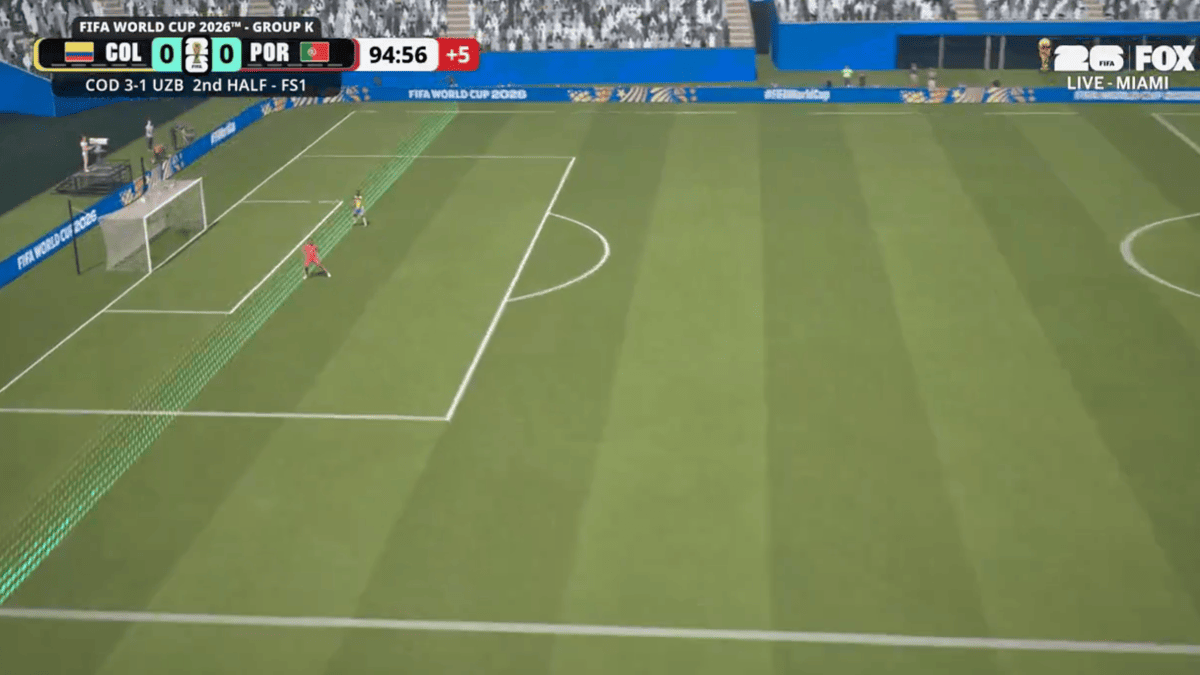
The debate over soccer's most polarizing rule reached a boiling point at the World Cup on Saturday night. In a tense group-stage finale between Colombia and Portugal, the game appeared to take a decisive turn when Colombia found the back of the net in extra time. But the celebration was cut short—the goal was disallowed because a Colombian player was deemed offside by the slimmest of margins.
Replays showed the decision hinged on a fraction of a foot, sparking immediate backlash from fans and analysts alike. Social media erupted with frustration, with one fan writing, “This is ruining soccer/football. This is not the spirit of the offside rule at all, we can’t let this continue.” Another added, “Genuinely, I understand the purpose of the rule so people don’t just camp by the goals but these toenail offside calls are an active detriment to the sport and just make it unenjoyable. Beautiful game winner ruined because his big toe is offside.”
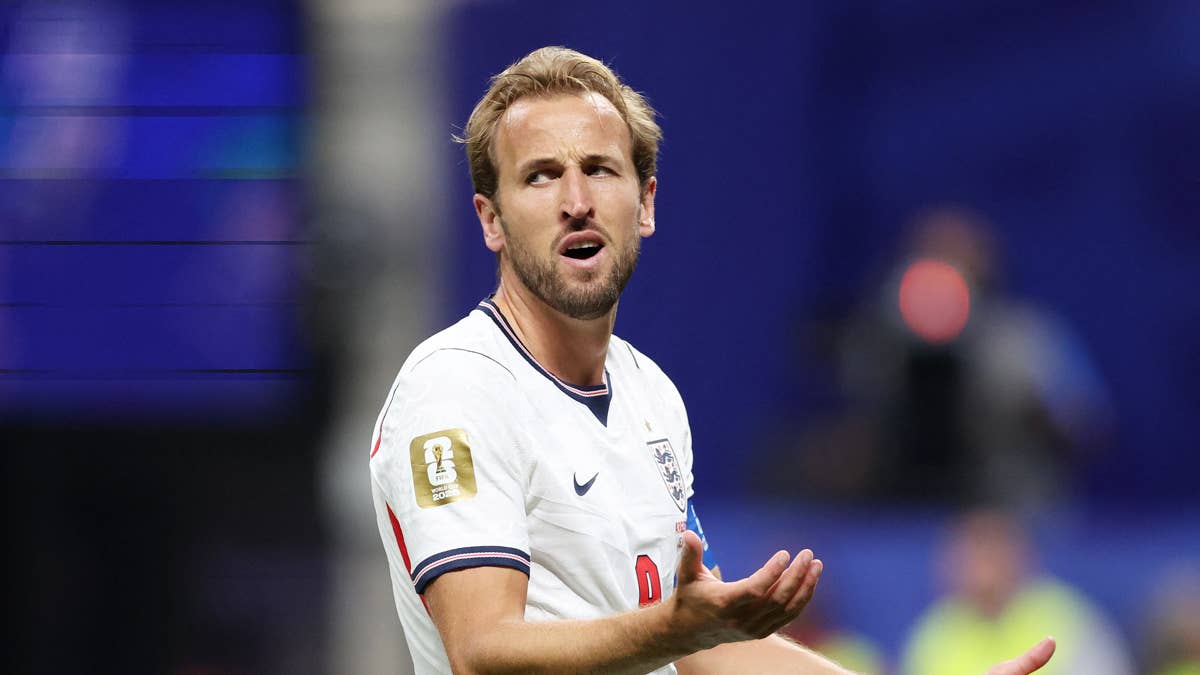
The controversy has reignited calls for FIFA to reconsider how the rule is applied, especially with the use of semi-automated technology that measures player positions to the millimeter. Critics argue that while the rule exists to prevent goal-hanging, its current enforcement strips the game of drama and common sense. Frank Isola, a prominent sports commentator, posted on X (formerly Twitter), “The rule needs to be adjusted. This is ridiculous.”
Not everyone is convinced change is needed. Some fans defended the strict interpretation, comparing it to other sports. “Black and white. You’re over the line? Offsides. Same in the NFL, same in basketball, same with a foul ball in baseball. What’s the issue here?” one user argued. Another added, “The rule is there for exact definition of parameters. Can’t put exclusions like toes, fingers, nose etc.”
Yet the emotional toll on players and fans is hard to ignore. The disallowed goal would have given Colombia a 1–0 lead in extra time, potentially altering their path in the tournament. Some fans even questioned the technology itself, with one commenter writing, “I’m sorry, but we want to see REAL FOOTAGE, not this mock-up CGI of the play/player in question. I’ll at least give credit to NFL because they don’t do this. To be clear, I was rooting for Portugal… Colombia won that game fair. Total bs.”
The incident adds fuel to a broader conversation about whether FIFA should adopt a more lenient offside interpretation—similar to how UEFA has experimented with a “daylight” standard in some competitions. As the World Cup progresses, the debate is unlikely to fade. For now, the question remains: Does the World Cup need to consider a change?
Meanwhile, the tournament marches on. With the round of 32 nearly set, teams are already jockeying for position. And as history shows, a single controversial call can define a World Cup—for better or worse. Just ask Cristiano Ronaldo, who has seen his share of tight decisions.
Whether FIFA listens to the outcry remains to be seen. But one thing is certain: the offside rule, as it stands, is not going quietly into the night.