The madness is narrowing down, and the stakes are soaring. As the 2026 NCAA Men's Basketball Tournament barrels into its second weekend, only sixteen teams remain standing between the usual powerhouse programs and a few Cinderella stories that have captured the nation's imagination. Now, before the first tip-off of the Sweet 16, ESPN's powerful computer model has delivered its verdict on who will survive and advance.
ESPN's Basketball Power Index (BPI), the network's proprietary metric for measuring team strength, has run the numbers—10,000 simulations of each game, to be exact—to project the winners of all eight thrilling matchups. The model doesn't just pick a winner; it assigns a precise probability, giving fans a data-driven glimpse into the likely chaos ahead. From blue-blood battles to unexpected conference clashes, the BPI has spoken.
The Thursday Night Forecast
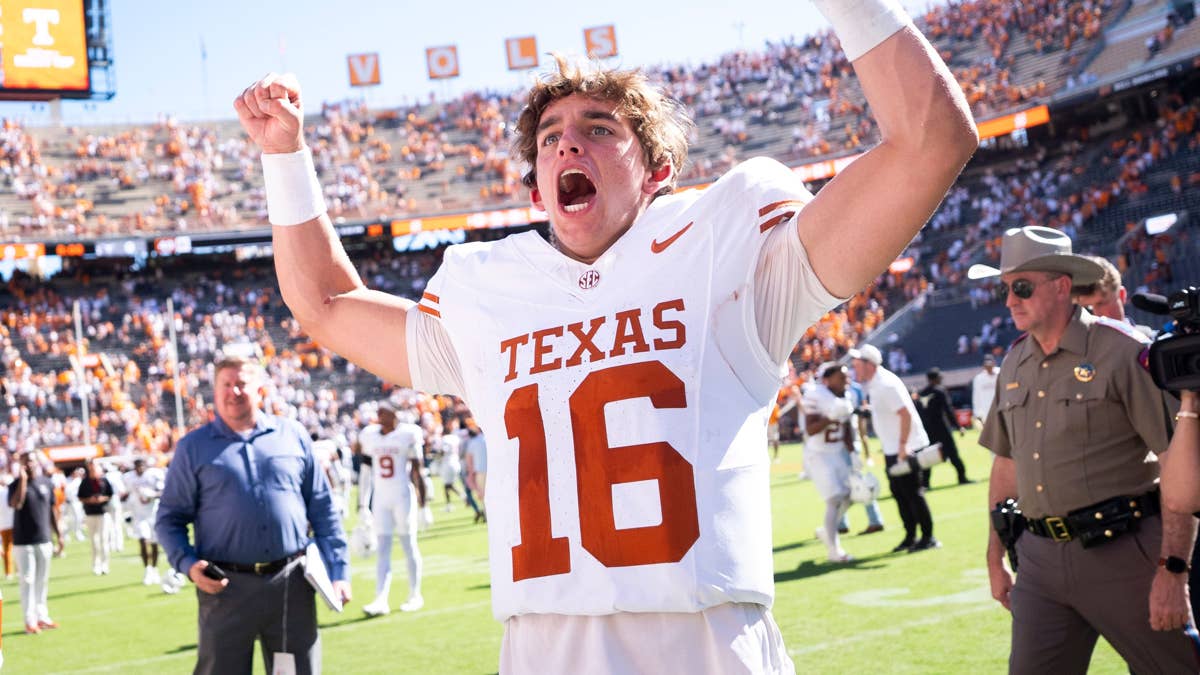
The action kicks off Thursday with a heavyweight slate. According to the simulations, the No. 2 Purdue Boilermakers are heavy favorites (75.6%) to end the surprising run of the No. 11 Texas Longhorns. In a matchup that has fans buzzing, the No. 4 Nebraska Cornhuskers get a slight nod (59.6%) over the No. 9 Iowa Hawkeyes, a game that promises high drama and has already sparked plenty of passionate debate among fanbases.
Out West, the top-seeded Arizona Wildcats are projected to have a clear path (76.6%) past No. 4 Arkansas. Meanwhile, in what might be the most evenly matched game of the night, the BPI gives a narrow edge to the No. 2 Houston Cougars (59.3%) over the No. 3 Illinois Fighting Illini.
Friday's Data-Driven Drama
The excitement doesn't let up on Friday. The model sees the No. 1 Duke Blue Devils as formidable favorites (76.7%) against a gritty No. 5 St. John's squad. Up north, the No. 1 Michigan Wolverines are given a 72.6% chance to handle business against No. 4 Alabama.
Perhaps the most intriguing prediction comes from the clash of titans between No. 2 UConn and No. 3 Michigan State. The simulations show this as a virtual toss-up, with the defending champion Huskies squeaking by with a razor-thin 53.4% probability. The final Friday game pits No. 2 Iowa State against No. 6 Tennessee, with the Cyclones favored to continue their march.
How the BPI Sees the Game
So, how does this digital oracle work? ESPN describes BPI as "the best predictor of performance going forward." It's far more than a simple ranking. The complex algorithm evaluates each team's strength relative to average, then factors in opponent quality, pace, home-court advantage, travel, rest, and even altitude to simulate every possible outcome of a game thousands of times. The result is a percentage-based projection that updates daily, offering a fascinating, if coldly logical, counterpoint to the gut feelings and bracket instincts of millions of fans. For more on how BPI has shaped the tournament narrative, check out our breakdown of its earlier round predictions.
While the computer has its say, the beauty of March Madness lies in its unpredictability. Can a team like Texas, whose unlikely run has redefined the term 'Cinderella', defy the 75.6% odds? Will UConn's championship experience be enough to overcome the statistical near-even split with Michigan State?
One thing is certain: the data provides a compelling roadmap, but the players on the court will write the final story. As the Sweet 16 tips off, all eyes will be on the hardwood to see if reality aligns with the simulation, or if the madness has a few more surprises in store. For another unique take on forecasting the tournament, see how Jason Kelce's zero-research Final Four picks stack up against the supercomputer's calculations.