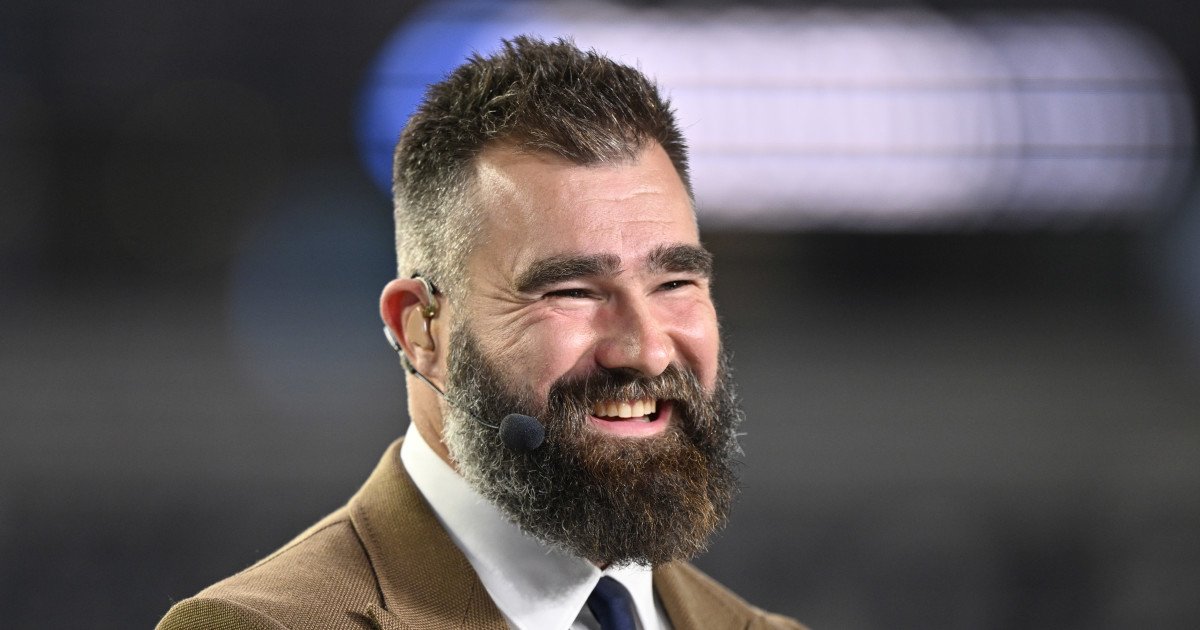
Forget analytics, forget expert analysis, and definitely forget watching any actual games. When it comes to filling out a March Madness bracket, Jason Kelce has perfected the art of the uninformed pick. The recently retired Philadelphia Eagles legend revealed his Final Four selections on the latest episode of the New Heights podcast with brother Travis, and his methodology was as unconventional as it gets.
The Kelce Bracket Breakdown
Travis Kelce, the Kansas City Chiefs tight end, took a relatively conventional approach—at least by Kelce standards. He locked in two number-one seeds, Duke and Arizona, added SEC powerhouse Alabama as a 4-seed, and after some serious waffling, landed on Illinois to round out his Final Four. "I guess I’ll go Duke, Arizona, Alabama — that was the SEC team that I liked," Travis said before his final deliberation. "Then, I’m going — gosh, I mean, it’s just gonna be Florida. Ah, I’ll go [with] Illinois sneaking through. Make it interesting."
Jason's process, however, was a masterclass in bracket chaos. He initially wanted to pick Duke, Michigan State, St. John’s, and Houston before realizing a critical flaw: three of those teams were in the same region. Stuck in a logistical nightmare, he did what any sensible parent would do—he outsourced the decision.
Wyatt Kelce: The Real Bracketologist
Enter six-year-old Wyatt Kelce, Jason's daughter and newest bracketology consultant. With a keen eye for ferocious animals and cool logos, Wyatt helped her dad narrow down the field based purely on mascot appeal. This unique scouting report led Jason to his final, daughter-approved picks: Arizona, Houston, Michigan State, and Iowa State.
This playful approach underscores a beautiful truth about March Madness: when it comes to predicting the tournament, everyone is essentially guessing. The chaos of upsets and Cinderella stories makes the quest for a perfect bracket one of sports' most elusive challenges. For more on high-profile predictions, check out our coverage of Obama's March Madness Magic and the ensuing heated debate among hoops fans.
The Perfect Bracket: A Sports Myth
Jason Kelce's zero-research strategy isn't as crazy as it sounds when you consider the history. In the decades of the NCAA Tournament, no one has ever completed a perfect 63-for-63 bracket. Not mathematicians with complex algorithms, not basketball insiders with decades of experience, and certainly not former NFL centers taking advice from their kindergarteners.
This universal failure levels the playing field in a hilarious way. When every method—from deep statistical models to choosing teams based on uniform color—is ultimately destined to be wrong, then no method is truly wrong. It’s a liberating concept that brings millions of fans back to their brackets every year, chasing the impossible dream. The debate over the "right" way to analyze the sport is perennial, as seen when Doug Gottlieb slammed Jay Bilas for 'hypocrisy' on the state of college basketball.
The Kelce brothers' bracket session is a perfect microcosm of the March Madness experience. It's not about being right; it's about the camaraderie, the conversation, and the shared hope that maybe, just maybe, your random guess or sentimental pick will defy all odds. Whether you're a former president, a Hall of Fame coach, or a kid picking based on wildcat logos, you have the same shot at bracket immortality: essentially zero.
So as the tournament tips off, remember the Kelce philosophy. Dive into the madness, trust your gut (or your child's), and enjoy the ride. After all, if a perfect bracket is impossible, the only thing left to do is have fun trying.