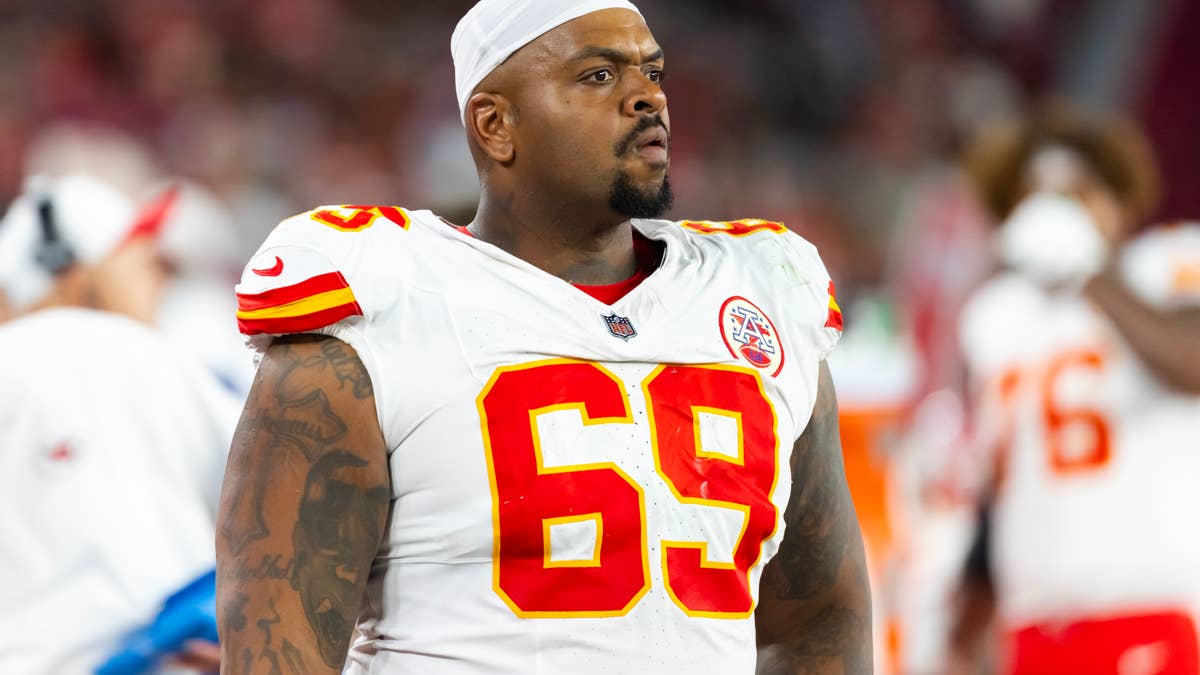
In a rare move for the sports media giant, ESPN has yanked a high-profile story about free agent defensive lineman Mike Pennel and issued a mea culpa, acknowledging the piece was riddled with inaccuracies. The retraction comes after Pennel's legal team presented rock-solid evidence that he had nothing to do with the incident.
The original article, published June 18, explored a supposed link between Pennel and the 2021 disappearance and death of a woman in the Dominican Republic. But the network now admits the story was flawed. In a statement, ESPN said it had removed the story after determining it contained errors.
Pennel, a 12-year NFL veteran who has won two Super Bowls with the Kansas City Chiefs, was never a suspect or person of interest in the case. His representatives at Kaleo Legal released a blistering statement, detailing how Pennel's travel records, passport, banking statements, and geotagged photos all prove he was in Denver, Colorado, at the time of the woman's disappearance—undergoing treatment for a sports injury. He was later signed by the Atlanta Falcons on September 15, 2021.
“Mr. Pennel had nothing to do with the death or disappearance of Ms. Roche and was never a suspect or person of interest in that investigation. He did not know her,” the statement read. It also clarified that Pennel's Dominican attorney never told anyone he expected Pennel to be arrested, contradicting claims in the original story.
Pennel owned a property where remains were found, but he never lived there. Surveillance footage from his home captured trespassers on the night of the disappearance—evidence he shared with Dominican authorities, who had no knowledge of it.
The fallout has been swift. The story was cited by multiple outlets before ESPN pulled it. While ESPN has not faced a lawsuit yet, the door remains open. Pennel’s legal team didn’t mince words, and the network’s rare public apology suggests it knows it stepped over the line.
This incident echoes other recent controversies in sports media, like the world cup broadcaster apology for racist comments, highlighting how quickly misinformation can spread and the importance of rigorous fact-checking.
For now, Pennel’s reputation is intact, but the episode serves as a cautionary tale for news organizations. In an era where every story can go viral, getting it wrong can have serious consequences—both for the subject and the publisher.
Meanwhile, the NFL world continues to buzz with other stories, from Kai Trump's golf comeback to Peyton Manning rooting against Tennessee. But this retraction by ESPN will likely be remembered as a major misstep in sports journalism.