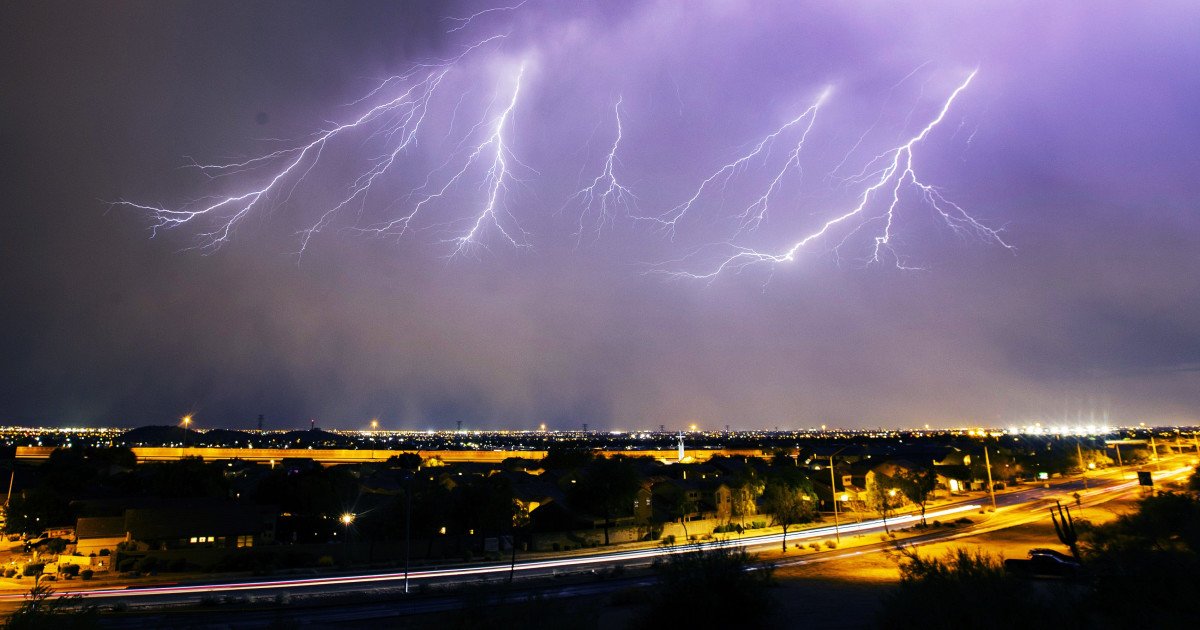
Sports fans and outdoor event organizers from the Pacific Northwest to the Midwest and Southeast need to keep a close eye on the sky Wednesday. A powerful system is gearing up to deliver a severe weather punch across a wide swath of the country, with eight states now under the gun for potentially dangerous thunderstorms.
The National Weather Service has issued stern warnings for Washington, Colorado, Nebraska, Florida, Illinois, Indiana, Ohio, and Kentucky. This isn't your average spring shower; forecasters are predicting a volatile mix of intense lightning, torrential downpours, damaging straight-line winds, and large, destructive hail. The scattered nature of the threat means game schedules, practices, and outdoor activities from coast to coast could face last-minute cancellations or hazardous delays.

This kind of widespread severe weather outbreak serves as a stark reminder of how quickly conditions can turn, especially for those with plans outside. It follows a pattern of disruptive systems we've seen recently, like the Sunday Showdown that threatened sports across 10 states. While not a winter event, the sheer power of these storms demands similar respect and preparation as the late-season threats highlighted in our coverage of Winter's Last Stand.
What Makes These Storms Severe?
The key risks identified by meteorologists are multifaceted. First, frequent cloud-to-ground lightning poses an immediate danger to anyone in open areas like golf courses, soccer fields, or baseball diamonds. Second, wind gusts strong enough to topple temporary structures, signage, and even cause power outages are a significant concern for venues and surrounding infrastructure. Perhaps most notably, the threat of large hail—stones potentially the size of golf balls or larger—can cause serious property damage to vehicles in parking lots and pose a direct physical threat to individuals caught outside.
For communities in the affected states, this means Wednesday's plans require a flexible, safety-first approach. School sports tournaments, evening little league games, and even routine jogging paths could become danger zones with little advanced notice once storms begin to fire.
Your Severe Weather Safety Playbook
When the skies darken and warnings are issued, having a game plan is crucial. The National Weather Service and emergency managers emphasize several key actions to stay safe:
- Stay Informed: Keep a weather radio handy or enable wireless emergency alerts on your phone. Don't rely solely on visual cues; storms can move with startling speed.
- Seek Shelter Immediately: If you hear thunder, you are close enough to be struck by lightning. Head indoors to a sturdy building at once. Avoid small sheds, pavilions, or bleachers without enclosed spaces.
- At Home or Work: Move to an interior room on the lowest floor, away from windows. Bring pets with you if possible.
- If You're Driving: While a vehicle is safer than being completely exposed, it is not ideal. Try to safely exit the road and find a substantial building for shelter. Avoid parking under trees or in low-lying areas prone to flooding.
- The Tree Trap: Never seek shelter under an isolated tree. This dramatically increases your risk of a lightning strike, and falling limbs or the entire tree can cause fatal injuries.
This outbreak is a potent example of the kind of game-changing weather that can sweep across multiple regions, disrupting not just daily life but the entire sports calendar. It underscores why leagues and event planners must monitor forecasts closely during volatile weather seasons.
As we've seen with past events, from tornado threats to heat waves, weather is an unpredictable opponent. The priority for Wednesday is clear: safety over schedule. Fans hoping to catch a game or athletes planning to compete should verify event statuses and be prepared to adjust their plans at a moment's notice. When severe weather warnings are in effect, the best call is always to err on the side of caution, find secure shelter, and live to cheer another day.