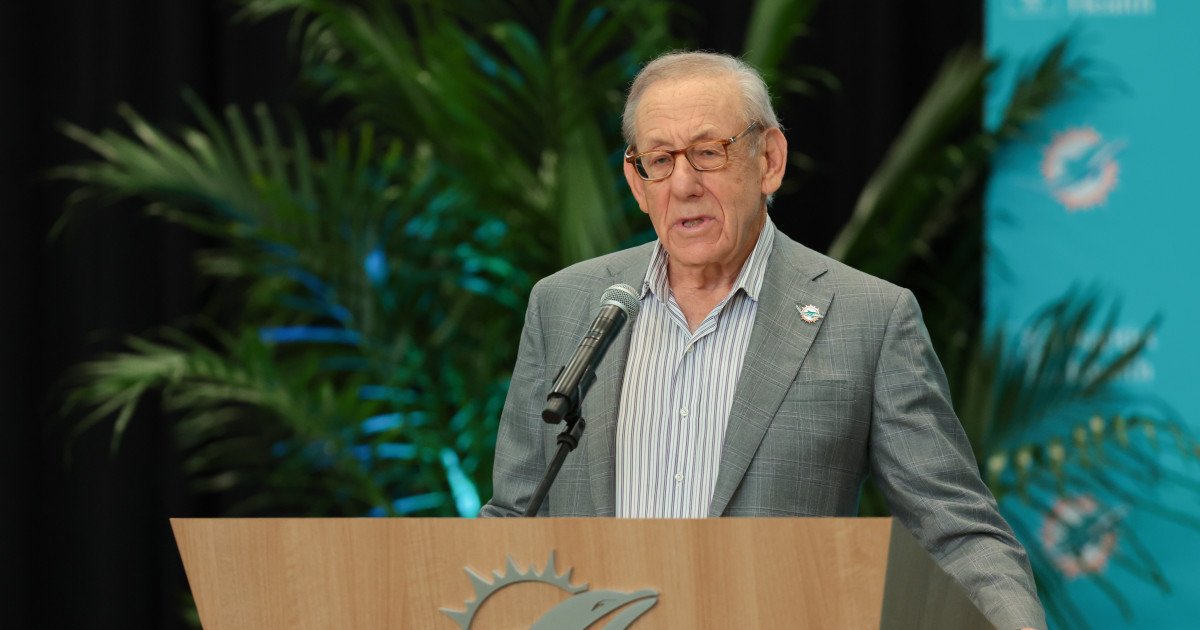
In a candid moment that speaks volumes about shifting sports landscapes, Miami Dolphins owner Stephen Ross delivered a jaw-dropping comparison between his NFL franchise and the Formula 1 spectacle hosted in its own backyard. During a recent CNBC interview with Andrew Sorkin, Ross didn't mince words when asked about the financial impact of the Miami Grand Prix versus his football team.
"F1 has been great," Ross stated plainly. "We get more attendance for F1 races for three days than the entire season tickets that we sold." This stark admission underscores the explosive popularity of Formula 1 in the United States, which has turned the Miami International Autodrome at Hard Rock Stadium into a global destination packed with celebrities and racing fans alike since its 2022 debut.
A Tale of Two Venues
While the Grand Prix brings glitz, glamour, and packed grandstands to Miami Gardens, the Dolphins are staring down a daunting rebuild. The contrast couldn't be more pronounced. On one side, a global racing phenomenon capturing new audiences; on the other, a storied NFL franchise grappling with significant on-field and financial challenges.
The Dolphins' path forward looks arduous. The team is burdened by over $175 million in dead money, has an unproven coaching staff, and a roster that analysts agree lacks top-tier talent. Barring a miraculous turnaround in the 2026 draft, expectations for the upcoming NFL season are bleak, with many predicting the Dolphins will be among the league's weakest squads.
Rebuild in Full Swing
That rebuild accelerated this week with a major trade sending star wide receiver Jaylen Waddle to the Denver Broncos. Miami parted with Waddle and a fourth-round pick to acquire Denver's first-round (30th overall), third-round, and another fourth-round selection. This move signals a clear focus on accumulating draft capital for the future, even at the cost of a proven playmaker.
This trade follows other offseason maneuvers, including the team's firm stance on keeping running back De'Von Achane, as detailed in our report on how the Dolphins drew a line in the sand regarding Achane following the Waddle deal.
The slim hope for immediate excitement in Miami now rests on the arm of quarterback Malik Willis. The team is banking on him developing into a game-changing talent who can make the Dolphins must-see television again. However, most observers consider the odds of such a rapid transformation to be long, at best.
Ross's comments reflect a broader business reality for NFL owners diversifying their sports portfolios. While the Dolphins work to rediscover their winning formula, the Formula 1 venture has already proven to be a commercial home run, drawing crowds that eclipse the core fan commitment to the football team. It's a revealing snapshot of modern sports economics, where an international racing series can, in a single weekend, outperform the season-long ticket base of an NFL institution.
The pressure is now on the Dolphins' front office to translate their draft capital into a competitive team. Until then, the most electric atmosphere at Hard Rock Stadium might just belong to the roaring engines of Formula 1, not the cheers for a Dolphins touchdown—a fact their owner is acutely aware of.