The hallowed grounds of Augusta National, known for whispering pines and green jacket traditions, found themselves at the center of a modern fashion debate this year. The controversy wasn't about a missed putt or a rules infraction, but about a pair of shorts. Influencer Abby Baffoe, attending The Masters, sparked a social media firestorm with her choice of a vintage Chanel top and crisp white shorts, with many critics deeming the look too casual—or too revealing—for golf's most prestigious event.
A Storm in a Teacup, or a Breach of Etiquette?
Photos of Baffoe's ensemble spread like wildfire online, with comment sections filling rapidly. Accusations flew that the outfit lacked "country club attire" sophistication and failed to respect the occasion's nearly century-old traditions. "Class is knowing how to dress for the moment, not dressing to be seen," wrote one critic, echoing a sentiment shared by many. The tournament, which famously bans cellphones and encourages appropriate dress, seemed to have a silent dress code that Baffoe had allegedly broken.
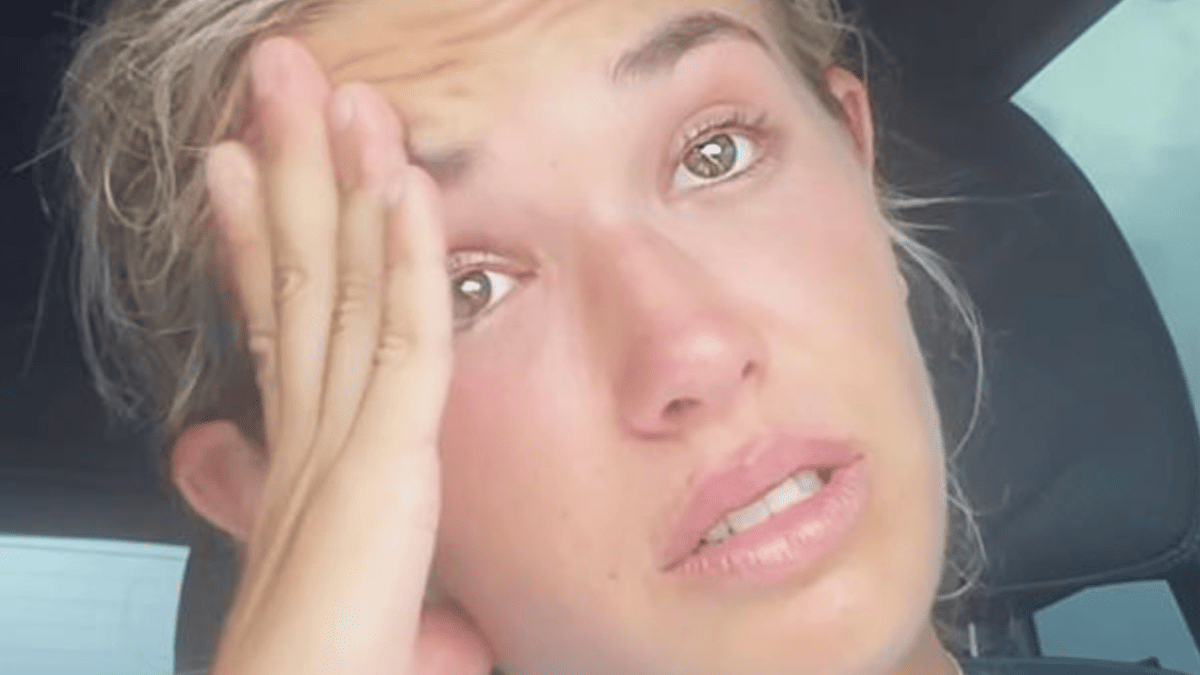
Enter Paige DeSorbo. The former 'Summer House' star and current 'Giggly Squad' podcast host, no stranger to fashion commentary, weighed in this week with a forceful defense of Baffoe. Her primary annoyance? That the loudest criticism appeared to be coming from other women. "It just felt so, like, utopian…it’s disrespectful to who? The boys? I don’t think anyone cared who was playing," DeSorbo stated on her show, dismissing the uproar as overblown.
DeSorbo's Take: Who Was Really Bothered?
Examining the outfit herself, DeSorbo's only potential critique was that it leaned "a little casual." She even humorously suggested a white miniskirt might have been less offensive to the online jury. Her core argument hinged on a simple question: were the actual patrons and players at Augusta National bothered? DeSorbo firmly believes they were not, implying the outrage was a manufactured online phenomenon. This fashion drama is just one of many captivating subplots from this year's tournament, which also saw Sergio Garcia's dramatic meltdown and Jim Nantz defending his CBS broadcast team from external criticism.
Baffoe, for her part, has handled the whirlwind with a confident shrug. She leaned into the controversy on social media, jokingly awarding herself the "worst dressed masters 2026" trophy. Her playful response highlights a generational divide in how such scrutiny is processed. Meanwhile, she wasn't the only one in the crosshairs. Jena Sims, wife of golfer Brooks Koepka, also faced backlash for her Masters attire, specifically a top that showed a sliver of midriff.
Sims, a Masters veteran of over a decade, clapped back at her critics on Instagram. "I can almost guarantee that no one in my comments section has ever been to the Masters," she asserted, confident that no one on the grounds was upset by her outfit. Her response mirrors DeSorbo's sentiment, suggesting a disconnect between the online discourse and the reality on the course.
The Unwritten Rules of Augusta Attire
So, what are the actual rules? The Masters' official guidance prioritizes comfort and weather-appropriateness, advising layers for April's fluctuating temperatures and comfortable, water-resistant shoes. While a formal dress code isn't explicitly laid out, a clear tradition has emerged: men in polos with shorts or slacks, women often in dresses or skirts. The line between personal style and patron decorum, however, remains blurry and subject to intense public debate.
This incident underscores how major sporting events have become stages for broader cultural conversations, extending far beyond athletic performance. As the golf world moves on, the question lingers: will this controversy influence fashion choices at next year's tournament? One thing is certain: the conversation around tradition, appropriateness, and who gets to decide what's acceptable is far from over. The saga also reminds us that the Masters is full of stories, from massive caddie paydays to debates over potential player advantages during preparation.