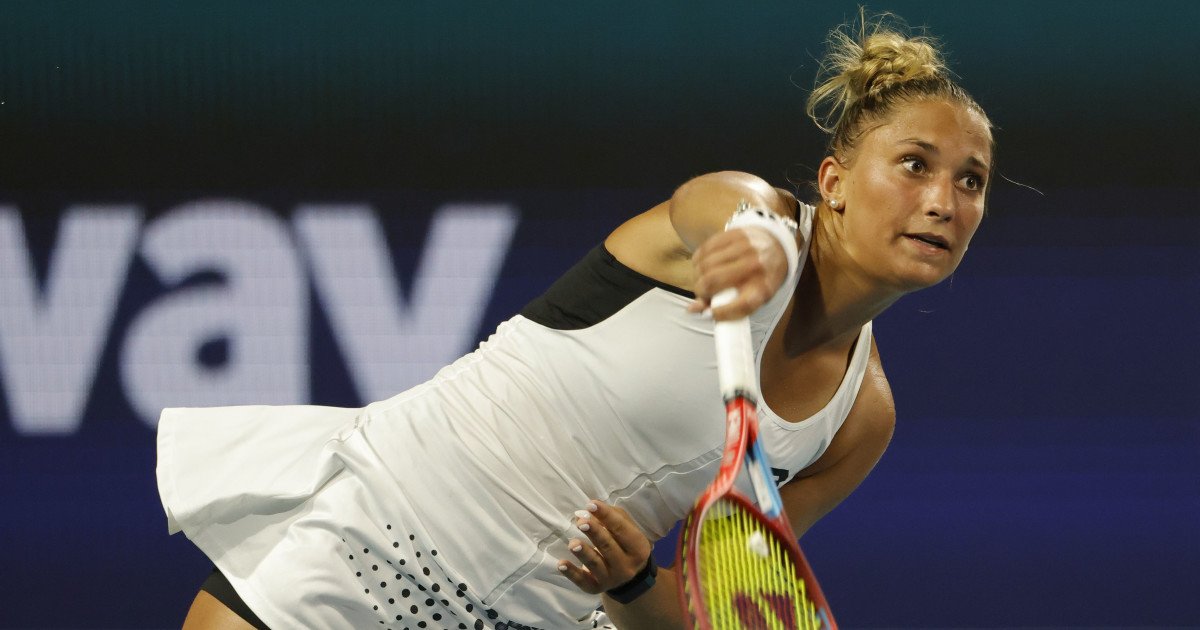
The world of professional tennis was rocked by a chilling incident this week, as Hungarian star Panna Udvardy revealed she was the target of a terrifying death threat aimed at her family. The world No. 95 was preparing for her quarterfinal clash at the Megasaray Hotels Open in Turkey when her personal phone buzzed with messages no athlete should ever receive.
A Midnight Nightmare
"Last night around midnight I received several very disturbing messages on WhatsApp from an unknown number," Udvardy shared in a powerful Instagram post. The anonymous sender delivered an ultimatum: lose her match against Anhelina Kalinina, or her family would be harmed. The threat was frighteningly specific, with the individual claiming knowledge of her family's home, vehicles, and phone numbers. To underscore the menace, they sent photos of Udvardy's relatives alongside an image of a firearm.

"They said they knew where my family lives, what cars they drive and that they had their phone numbers," she recounted, detailing the invasive and predatory nature of the attack. This violation of privacy and safety strikes at the heart of an athlete's world, where focus should be on competition, not survival.
Playing Under Unthinkable Pressure
Faced with an impossible situation, Udvardy took the court. She ultimately fell to Kalinina in straight sets, a result now shadowed by the sinister context. While the outcome of the match is a minor footnote, the broader implications are massive. Udvardy has reported the threats to the WTA, issuing a public plea for the tour to take stronger action. "I hope the WTA continues investigating this situation seriously and takes stronger steps to protect players' personal data and safety," she stated, adding the powerful line, "No player should have to deal with something like this."
Her ordeal is not an isolated case, sadly joining a disturbing trend where athletes' personal lives are weaponized. It echoes the sentiment in other sports where family becomes a focal point, such as when Dale Jr. Draws the Line: Family Warned After Victory Lane Scuffle Intervention. The safety of loved ones is a universal concern that transcends any game.
An Outpouring of Support from the Tennis World
The tennis community rallied around Udvardy immediately. Fellow pro Francisca Jorge voiced the collective frustration, writing, "This is getting out of hand. I am here if you need anything." Fans flooded social media with messages of solidarity and prayers, expressing shock and admiration for her bravery in coming forward. "Oh my god! That's frightening," one comment read. "You are a very brave girl to do what you did but it was the right decision."
This incident highlights a growing crisis in women's tennis, following similar threats against players like Katie Boulter and Jessica Pegula in the past year. It raises urgent questions about data security and the psychological warfare some athletes now face. The need for robust protection protocols has never been clearer, as the sport's guardians must ensure the court remains a battlefield of skill, not fear.
A Call for Systemic Change
Udvardy's terrifying experience is a stark wake-up call. It underscores the vulnerability of athletes in a hyper-connected digital age, where personal information can be exploited to manipulate results and inflict psychological trauma. The WTA now faces immense pressure to not only solve this specific case but to overhaul its safety measures to prevent a recurrence.
As the sports world grapples with this dark episode, the focus must remain on supporting Udvardy and ensuring no other player has to confront such a horrifying choice between competition and family safety. The integrity of the sport depends on it. In a landscape where athletes increasingly use their platform for personal matters, from Family First: Jayden Daniels Names Mom as His Official NFL Agent to managing off-field crises like Savannah Guthrie Confirms 'Today' Show Return Amid Family Crisis, the fundamental right to security must be non-negotiable.