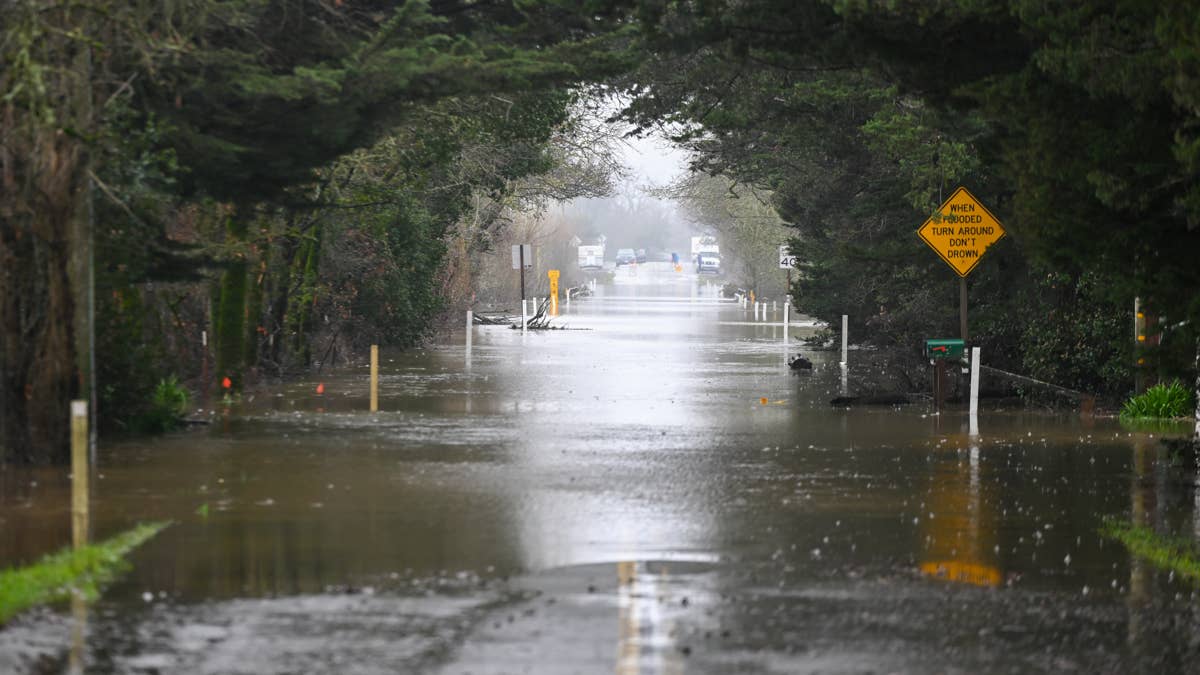
Mother Nature is about to unleash a watery fury across the South-Central U.S., with forecasters warning that a slow-moving storm system could trigger life-threatening flash flooding in up to four states this week. The National Weather Service has issued urgent alerts for Texas, Oklahoma, Arkansas, and Louisiana, where rainfall totals could exceed 8 inches in a short window.
Where the Danger Is Highest
The bullseye is squarely on the Dallas-Fort Worth metroplex, where up to 8 inches of rain could fall by Friday. That kind of deluge can turn streets into rivers and underpasses into death traps. The storm is expected to stall over the region, prolonging the threat as streams, creeks, and urban drainage systems get overwhelmed.

Forecasters are particularly concerned about flash flooding of small creeks and streams, urban areas, highways, streets, and underpasses, as well as other poor drainage and low-lying areas. The National Weather Service warns that the combination of saturated soil and intense rainfall could lead to rapid, dangerous rises in water levels.
A Dire Warning for Drivers
In a stark advisory, officials are hammering home one life-saving message: “Turn around, don’t drown when encountering flooded roads.” They note that most flood deaths occur in vehicles, and urge drivers to never attempt to cross a flooded roadway—even if it looks shallow. The advisory continues: “Be aware of your surroundings and do not drive on flooded roads. Please report observed flooding to local emergency services or law enforcement and request they pass this information to the National Weather Service when you can do so safely.”
This warning echoes the tragic lessons from recent flood events across the nation, where many victims underestimated the power of moving water.
States on Alert
- Texas – The Dallas area is the primary hotspot, with rainfall totals potentially reaching 8 inches by Friday.
- Oklahoma – Southern and eastern parts of the state could see 4-6 inches, with localized higher amounts.
- Arkansas – Flash flood watches are in effect for much of the state as the storm pushes east.
- Louisiana – Northern parishes are under the gun for excessive rainfall and potential flooding.
This system comes on the heels of similar monsoon-like downpours that struck the Carolinas last week, underscoring a volatile weather pattern across the country.
How to Stay Safe When Flash Flood Hits
If you live in the affected areas, here’s what to do:
- Never drive or walk through floodwaters – Just 6 inches of moving water can knock you down, and 12 inches can sweep a car away.
- Move to higher ground immediately if you see rising water or hear a flash flood warning.
- Stay informed – Monitor local weather alerts and heed evacuation orders.
- Prepare an emergency kit with water, food, medications, and important documents in case you need to evacuate.
This is not a storm to take lightly. The National Weather Service has labeled it “life-threatening,” and local authorities are urging everyone in the path to take precautions now. As the system develops, forecasters will refine the exact timing and impacts, but the message is already clear: stay safe, and don’t take unnecessary risks.
For those in the region, this is a good time to review your severe weather preparedness plan and ensure you have a way to receive emergency alerts. Remember, when it comes to flash floods, your life is worth more than any car or property. Turn around, don’t drown.