Buckle up and hold the wheel tight, America. A powerful weather system is set to turn Thursday into a white-knuckle driving day across a massive swath of the country. The National Weather Service has sounded the alarm, issuing a critical safety warning for all motorists as forecasters predict dangerous, high-velocity winds to sweep through much of the northern United States on March 12.
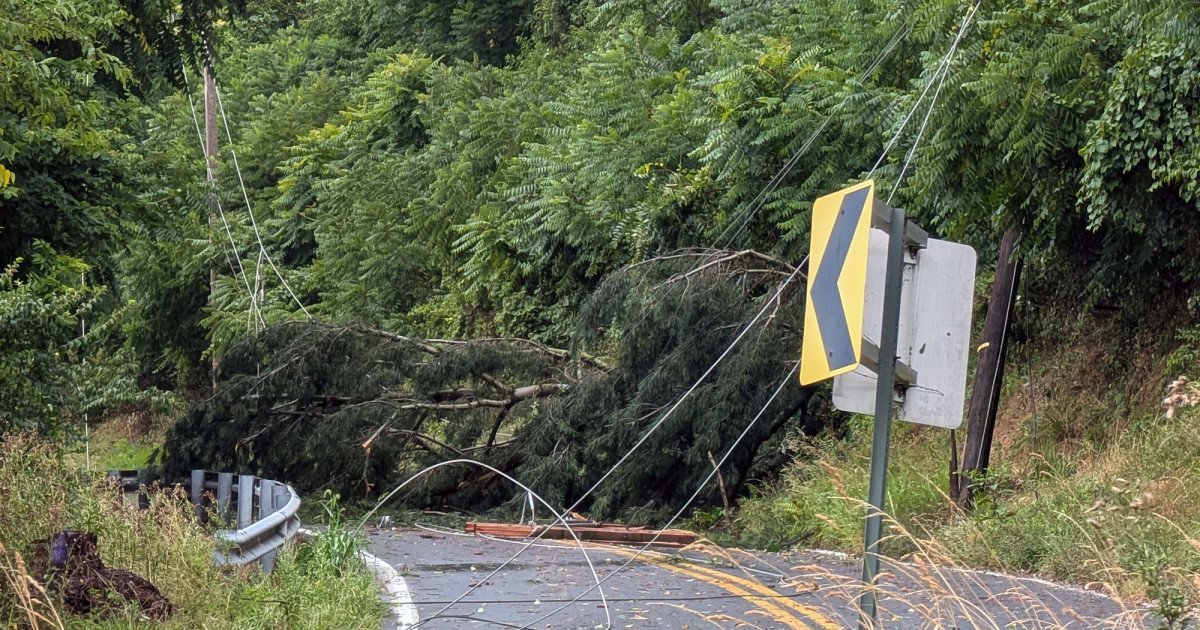
This isn't your average breezy day. Officials are describing conditions as potentially serious, with heavy winds capable of creating treacherous situations on the roads. The primary threats include downed power lines, flying debris, and sudden gusts that can wrestle control of a vehicle from even the most experienced driver. The warning is clear: if you're traveling in the affected regions, extreme caution is not just advised—it's essential.

"The high winds across much of the northern U.S. may result in dangerous driving today," the NWS announced. They provided specific, life-saving guidance: "In windy conditions, slow down, avoid large trucks and trailers, and watch for downed tree branches and power lines." The agency singled out one particular hazard, noting, "Bridges and overpasses can be particularly dangerous," as these elevated structures leave vehicles fully exposed to the wind's force.
This alert comes as other parts of the nation grapple with severe weather, including a severe storm threat putting seven states on high alert. While the focus here is on wind, it's a stark reminder that spring weather can be unpredictable and violent. Drivers should also be aware of related dangers, such as the urgent tornado safety alerts issued following recent deadly storms.
Your Game Plan for Safe Driving in High Winds
Just like a coach prepares a team for a big game, you need a strategy for navigating these conditions. Safety experts have laid out a comprehensive game plan for anyone who must be on the road.
- Plan Ahead & Suit Up: Give yourself extra time. Your trip will take longer as you'll need to reduce speed. Before you even move, ensure everyone is buckled up—your seatbelt is your most important piece of safety equipment.
- Control Your Speed & Vehicle: Slow down significantly. Turn on your headlights to combat reduced visibility from blowing dust, snow, or rain. Keep both hands firmly on the steering wheel at all times to maintain control.
- Anticipate the Gusts: Be ready to make quick, small steering corrections, especially when moving from a wind-protected area (like a forest or urban canyon) to an exposed one. The change can be sudden and severe.
Know Your Opponents on the Road
In these conditions, you're not just battling the wind; you need to be acutely aware of other vehicles. Large trucks, RVs, campers, buses, and trailers are especially vulnerable to high winds. They can swing out or even be pushed into your lane without warning. Maintain a much larger following distance than usual.
If you're driving a high-profile vehicle like a truck, van, SUV, or are towing something yourself, you are at the highest risk. These vehicles act like sails and are more prone to being pushed or flipped. The Nevada Department of Transportation, for example, maintains specific wind warning systems for such vehicles in prone areas—a practice worth remembering nationwide.
Stay alert for flying objects. Tree limbs can snap, and unsecured debris can become dangerous projectiles. Keep your eyes scanning the road and shoulders ahead. Tune your radio to a local station or weather band for real-time updates, as conditions can deteriorate rapidly.
Most importantly, know when to call an audible. If the winds become so severe that safe driving is impossible, don't tough it out. Pull over into a safe parking area—not the shoulder of a busy highway—and stop. Choose a location away from trees, power lines, or tall objects that could fall. When you finally reach your destination, finish strong by parking in a safe spot, clear of similar hazards.
This nationwide warning underscores that safety extends beyond the field of play. Just as the Southeast sports scene braces for severe weather that could disrupt games, everyday travel requires the same level of preparation and respect for the elements. Whether it's a major storm or high winds, the principle is the same: safety must come first. Plan carefully, drive defensively, and make it home safely.