NASCAR is a sport built on tradition, roaring engines, and the unmistakable silhouette of a stock car. But a potential shift on the horizon has one of the sport's most iconic voices shouting a resounding 'no' from the broadcast booth. Dale Earnhardt Jr., the Hall of Famer and perennial fan favorite, is mounting a fierce campaign against a proposed move to introduce Crossover Utility Vehicles (CUVs) into NASCAR's racing series.
A Radical Rethink for the O'Reilly Series
The debate centers on NASCAR's O'Reilly Auto Parts Series, which some officials believe lacks a distinct brand identity compared to the Cup Series and the Truck Series. John Probst, NASCAR's chief racing development officer, has openly discussed the idea of adopting the CUV body style—initially developed for NASCAR's electric vehicle prototype—as a long-term consideration. "You'd have a Truck, a CUV, and a Cup," Probst explained, framing it as a way to create three clearly differentiated and manufacturer-relevant series for today's automotive market.
This push follows the recent unveiling of a NASCAR electric prototype, signaling a period of significant technological and philosophical evaluation for the sport. Probst emphasized the need to balance entertainment, sport, and engineering, suggesting NASCAR doesn't need to be on the "bleeding edge" to remain relevant. But for many, replacing traditional racing vehicles with car-based SUVs crosses a line from evolution into a betrayal of core identity.
Earnhardt's Unambiguous Rebuke
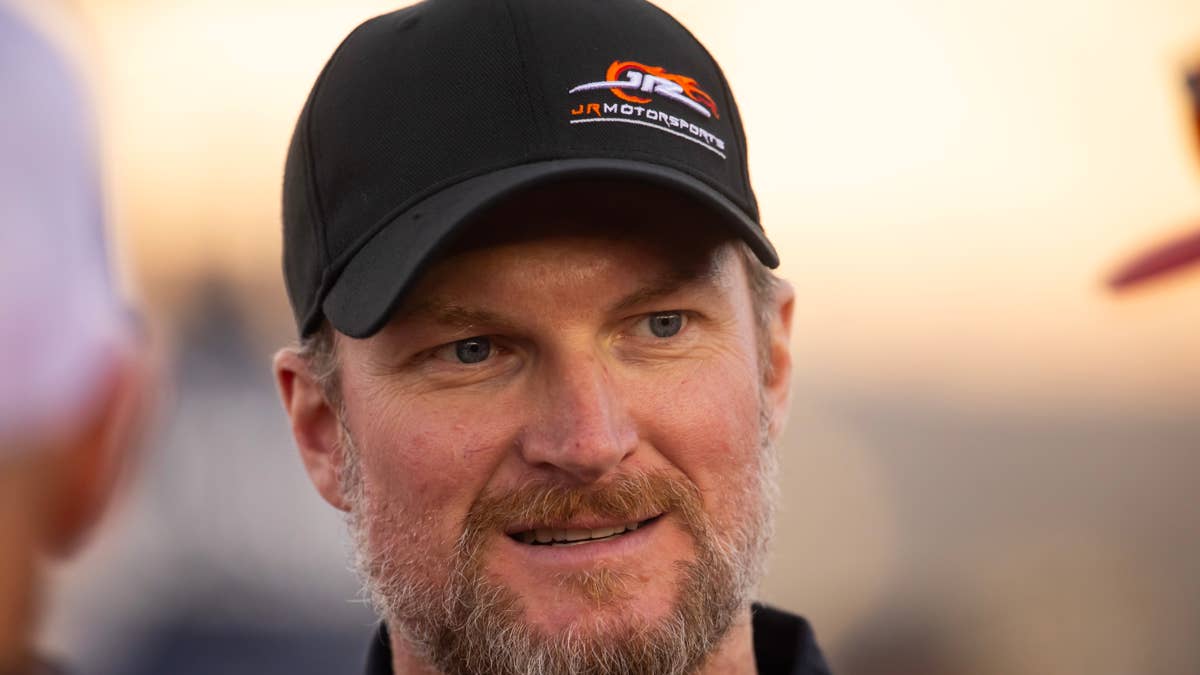
Dale Earnhardt Jr., whose influence extends far beyond his driving career into team ownership and broadcasting, has responded with unambiguous clarity. Taking to social media, the legend minced no words: "I hope this never happens." This simple, powerful statement has become a rallying cry for a significant portion of the NASCAR community that views such a change as a step too far from the sport's roots.
Jr.'s stance isn't just about nostalgia; it's a defense of the sport's character. His position carries immense weight, given his unique role as a bridge between the sport's legendary past and its evolving future. When he speaks, fans and industry insiders alike listen, and on this issue, his message is one of staunch opposition.
The Fanbase Rallies Behind a Legend
The response from the grandstands and online has been swift and overwhelmingly supportive of Earnhardt's position. Fans have flooded social media with messages of agreement, expressing fears that such a move would fundamentally alter the sport they love. "Right there with you, if they do this I'm a gonna have to tap out," wrote one fan, capturing a sentiment of potential abandonment.
Others pleaded for Earnhardt to use his considerable influence: "Dale, you're one of the few who can actually singlehandedly take a stand and squash this kind of stuff. Please keep speaking up." The outcry extends beyond body styles, touching on a broader anxiety about the sport's direction, with some fans explicitly connecting it to the electric vehicle debate: "we don't want EV we want V8!!!" This controversy taps into a deeper conversation about NASCAR's identity and its connection to its traditional fanbase.
The debate also echoes other recent instances where proposed changes have sparked fan unrest, similar to the uproar over the proposed 24-team College Football Playoff expansion. It highlights the delicate balance sports leagues must strike between innovation and tradition.
A Defining Moment for NASCAR's Future
This clash is more than a simple disagreement over vehicle design; it's a cultural moment for NASCAR. On one side are executives like Probst, looking at brand synergy, manufacturer partnerships, and modern automotive trends. On the other is a coalition led by a beloved icon and a vocal segment of the core audience, who see the proposed CUVs as an abandonment of the "stock car" essence that defines the sport.
The strong reaction underscores how passionate the NASCAR community remains about the sport's fundamentals. It also shows the unique platform figures like Dale Earnhardt Jr. hold. His critique isn't just a fan's opinion; it's a powerful intervention from within the sport's inner circle. As discussions continue, this opposition will undoubtedly force NASCAR to carefully thread the needle Probst described, weighing entertainment and relevance against the powerful pull of tradition and fan loyalty. For now, with Dale Jr. leading the charge, the road to CUVs in NASCAR looks anything but clear.