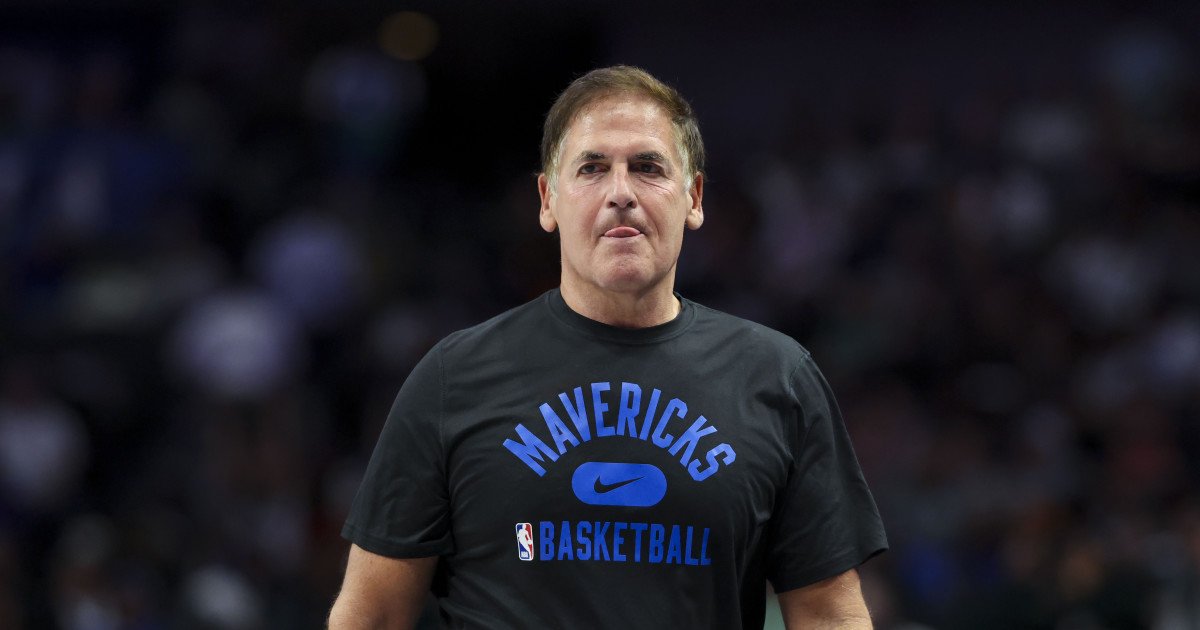
In a stunning admission of regret, former Dallas Mavericks owner Mark Cuban has opened up about the painful aftermath of selling the franchise he led to an NBA championship. The billionaire entrepreneur, known for his passionate courtside presence, now watches from the sidelines as the team he built faces a dramatic and rapid decline.
The Deal That Changed Everything
Cuban sold his controlling stake in late 2023, ending a transformative two-decade run. Just over a year later, the franchise's direction has taken a catastrophic turn, leaving the former owner with what he describes as profound seller's remorse—not for selling, but for his choice of buyer.
"I don't regret selling," Cuban stated on the Intersections Podcast. "I regret who I sold to. Yeah, I made a lot of mistakes in the process and I'll leave it at that." This pointed comment, aimed at new majority owner Miriam Adelson and her investment group, reveals the depth of his frustration as he remains a powerless minority stakeholder.
The Luka Dončić Earthquake
The catalyst for the Mavericks' downfall was the franchise-altering trade that sent generational superstar Luka Dončić to the Los Angeles Lakers in February 2025. In a historic midseason swap of All-NBA talents, Dallas received Anthony Davis, Max Christie, and a future first-round pick. While the front office, then led by GM Nico Harrison, cited defensive improvements as the rationale, the basketball world viewed it as a disastrous return for a 25-year-old MVP candidate.
Dončić's departure to reunite with LeBron James sent shockwaves through the league and shattered the identity of a franchise he had carried to sustained excellence. The move immediately drew comparisons to other seismic shifts in sports business, like the potential impacts explored in our analysis of the NBA's massive expansion plans.
Collapse and Consequences
The aftermath has been nothing short of brutal for the Mavericks. The 2025-26 season saw the team stumble to a poor start and ultimately miss the playoffs, continuing a post-trade slide out of contention. Anthony Davis's tenure in Dallas lasted just 29 games before he was moved again, leaving the roster without a clear cornerstone star.
Organizational turmoil followed, with Harrison dismissed as general manager in November 2025 amid fan outrage and internal chaos. The franchise now finds itself in a full-scale rebuild, hoping young talent like their 2025 first-overall draft pick can someday restore glory. The front office has reportedly reached out to franchise legend Dirk Nowitzki in attempts to mend relationships, highlighting how thoroughly the Dončić trade disrupted Dallas's culture and long-term vision.
A Helpless Spectator
For Cuban, the experience has been uniquely agonizing. Having transformed the Mavericks from a laughingstock into a champion and perennial contender, he now witnesses the deterioration in real time without the authority to intervene. His situation echoes the complex dynamics of sports ownership that even legends like LeBron James have navigated, as detailed in our piece on LeBron's own ownership aspirations.
The financial scale of Cuban's regret is staggering—a billion-dollar lesson in legacy preservation. While he secured a monumental payout in the sale, the cost to his basketball legacy appears to weigh far heavier. His comments suggest a belief that under different ownership, the Dončić era might have continued, and the franchise's downward spiral could have been avoided.
Looking Forward
As the Mavericks chart a uncertain course through their rebuild, Cuban's admission serves as a cautionary tale about the emotional stakes of sports ownership. The deal demonstrates how quickly a franchise's trajectory can change with new leadership, especially when that leadership makes controversial superstar decisions.
The saga also raises questions about the future of NBA team sales and the responsibilities of incoming ownership groups to preserve franchise stability. As the league's business landscape evolves with massive media deals like the NFL's ongoing rights negotiations, the human element of these transactions—the passion, regret, and legacy—remains powerfully evident in stories like Cuban's.
For now, the man who brought Dallas its only NBA championship watches, waits, and wonders what might have been had he chosen a different path when passing the torch.