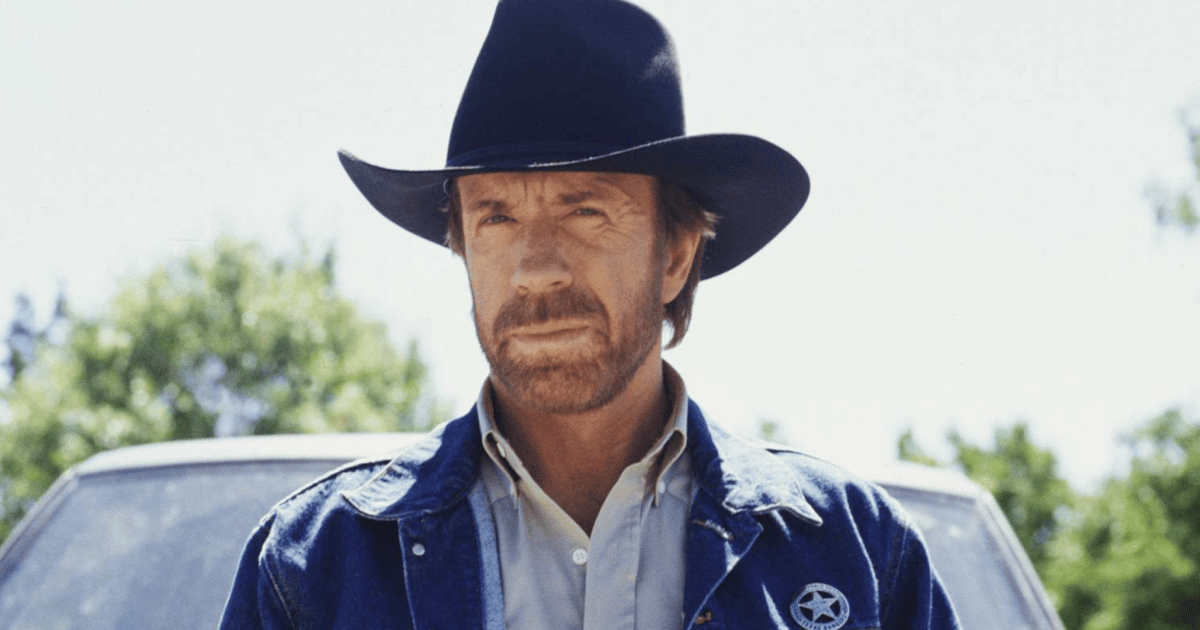
The sports and entertainment world is reeling from the sudden loss of an icon, but the conversation quickly turned from roundhouse kicks to political stances. Chuck Norris, the legendary martial artist and actor whose name became synonymous with invincibility, has passed away. While fans remember his on-screen heroics, his off-screen identity as a vocal, unapologetic conservative is sparking intense debate about how he will be remembered.
A Family's Tribute, A Nation's Debate
In a heartfelt statement, Norris's family painted a picture of the man behind the myth. "To the world, he was a martial artist, actor, and a symbol of strength. To us, he was a devoted husband, a loving father and grandfather, an incredible brother, and the heart of our family," they shared. They highlighted a life lived "with faith, purpose, and an unwavering commitment," a description that perfectly encapsulates both his personal and public personas.

Yet, as tributes poured in, a headline from Variety went viral, suggesting that for all his action-star fame, "Politics May Overshadow His Legacy." This framed the central question now facing fans and commentators alike: How do we separate the artist from his ardent political beliefs?
The Unapologetic Conservative Stance
Norris refused to apologize for his political views—a stance as fundamentally American, to some, as his tough-guy image. He was a fixture in conservative circles, with his personal brand becoming deeply intertwined with the MAGA movement. His political activism was no secret; he famously campaigned against Barack Obama's re-election, issuing stark warnings about the country's future, and later threw his support behind Donald Trump.
His convictions placed him squarely in the center of modern political fires. He even had to publicly deny rumors that he was present at the U.S. Capitol on January 6th, 2021, shooting down claims of a Chuck Norris lookalike among the crowds. "It wasn't me, and I wasn't there," he stated clearly at the time.
Condemnation and Blame in the Wake of Chaos
While not present, Norris did not remain silent on the events of that day. He and his wife Gena offered "heartfelt condolences" to the families of those who died, calling the loss "profoundly heart-wrenching." However, he quickly pivoted to assigning blame, pointing a finger directly at "progressivism" for the nation's divisions.
"The truth is, modern progressivism and our politically correct culture have obliterated the true meaning of the First Amendment," he wrote. He argued for a return to the founders' original intent, condemning both censorship and violent rebellion as un-American. This complex position—mourning tragedy while critiquing the cultural climate that he believed led to it—exemplified his nuanced, yet firm, political philosophy. This blend of toughness and conviction reminds us of other figures who blend sports and politics, like when Trump's remarks sparked outrage across similar arenas.
A Legacy of Strength, On and Off the Screen
Norris's passing has ignited discussions far beyond film sets. It's a moment that forces a reflection on celebrity, principle, and legacy. For every fan who cherished his undefeatable screen persona, there was a political supporter who admired his real-world fortitude. His life proves that an athlete's or action star's impact can extend far beyond the dojo or the box office, directly into the heart of national discourse.
His unwavering stance invites comparison to other legends who stand firm in their beliefs, much like Matt Leinart's legendary stand to keep his USC jersey retired. It’s a testament to leaving a mark that cannot be ignored. As the world processes this loss, figures from all arenas are paying respects, including former President Trump, who mourned the 'Tough Cookie' and his indomitable spirit.
Chuck Norris built a legacy on being unbreakable. In the end, his most defining characteristic may not have been his fictional toughness, but his very real, very resolute refusal to back down from what he believed—a final testament to a man who lived, and died, by his own code.