The chatter surrounding Indiana Fever guard Caitlin Clark has taken a troubling turn this season, and one prominent WNBA voice is calling for a timeout.
With the WNBA All-Star Game set for Saturday night in Chicago, the discourse around Clark has exploded beyond the hardwood. A recent column by USA Today's Nancy Armour ignited a firestorm by linking Clark's on-court behavior—specifically flopping and heated exchanges with officials—to a broader pattern of racial tension.
Armour wrote, “It seems there is a white nationalist element to Clark’s fandom that is deeply, deeply problematic, made even more so because the WNBA is made up predominantly of Black women, many of them queer.” She went on to reference the 1955 lynching of Emmett Till, drawing a direct line between Clark's actions and historical violence against Black people.
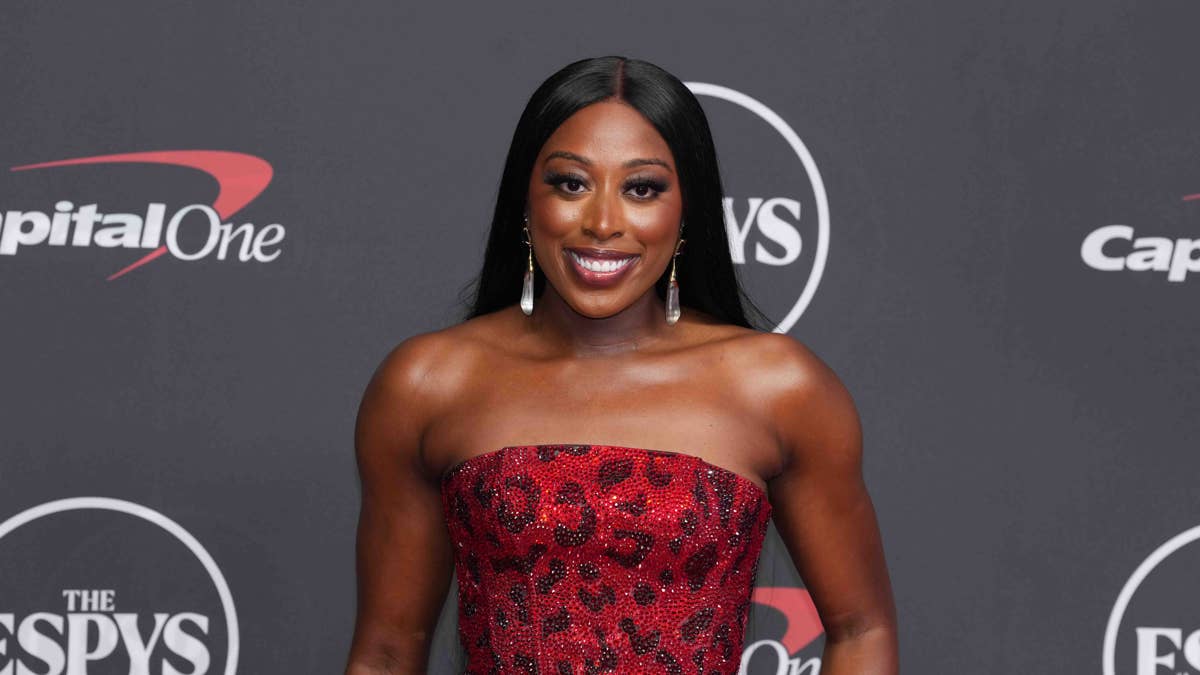
The piece drew sharp backlash, and the debate spilled onto national TV. During Friday's episode of First Take, WNBA analyst Chiney Ogwumike stepped in with a clear message: it's time to reset.
“This conversation has reached levels that stray so far away from the sport. I feel like it is our responsibility, now, to recenter it,” Ogwumike said. She admitted her own imperfections in the discussion, adding, “In full transparency, I didn’t want to talk about this today. … In my opinion, we should be giving airtime to the beautiful basketball being played in the 30th year of the WNBA.”
Ogwumike's plea comes as Clark is putting up some of the best numbers of her young career. She's averaging 21.0 points and 7.9 assists per game, and recently dropped 45 points in a win over the Seattle Storm—one of the finest performances of her career. She also posted 27 points and 11 assists in a victory against the Connecticut Sun just days ago.
Yet instead of celebrating that production, the narrative has veered into racial and political territory that many feel has little to do with basketball. The situation has also drawn attention to Nancy Armour standing firm on her controversial take, while others have pointed to Clark's technical foul situation as a sign of growing tension.
Ogwumike's call for a reset isn't just about changing the subject—it's about saving the sport from being overshadowed by a conversation that, as she put it, “strays so far away from the sport.” For a league celebrating its 30th anniversary, that message couldn't be more timely.