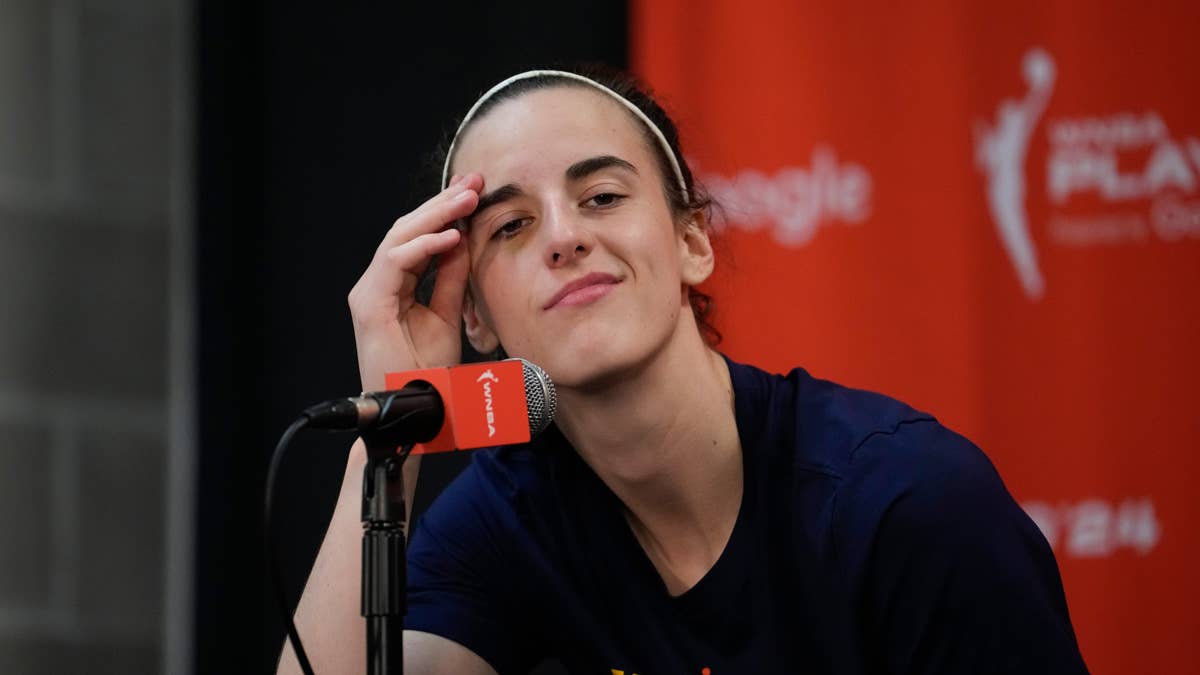
Caitlin Clark has had enough. The Indiana Fever superstar is making it crystal clear that she's fed up with the way WNBA reporters have been circling her all season — and she's not afraid to say so.
Last week, Clark opened up about the toll the constant media attention has taken on her, both mentally and physically. In an interview with ESPN, she didn't hold back: “I think a lot of it is not always based in reality. I feel like media and journalism have a responsibility to tell the stories, and a lot of the time you guys are the ones controlling the narratives about what people read and what people talk about. And a lot of that is sometimes so far out of touch with what is reality. And that can be confusing to somebody that’s 24 and trying to navigate life and trying to help her team win a championship.”

Her comments came after weeks of intense scrutiny, much of it swirling around her every move on and off the court. But instead of cooling things down, her candid remarks only sparked more criticism — this time from ESPN analyst Monica McNutt, who suggested Clark could use a bit more “accountability and self awareness” when it comes to her role in the league's “sisterhood.”
McNutt's jab was just the latest in a long line of critiques aimed at the 24-year-old guard, and it seems Clark's patience is wearing thin. That was on full display Sunday night when a reporter pressed her on teammate Sophie Cunningham's controversial comments about transgender athletes in women's sports. Clark's response was short and pointed: “It’s for the leagues and governing bodies to work with their athletes to find solutions. My focus is on basketball.”
When the reporter tried to push for more, Clark's annoyance was palpable. The exchange, captured on video and shared widely on social media, shows the Fever star shutting down the line of questioning with a tone that suggested she'd rather be anywhere else. It's a tough spot — she's being asked to weigh in on a teammate's personal beliefs, something many players would rather avoid, especially when those beliefs are as polarizing as Cunningham's.
Clark's frustration isn't just about one question, though. It's about the broader pattern of coverage that has followed her since she entered the league. From MVP snubs to on-air criticism, the narrative around her has often felt less about basketball and more about drama. Even her mental toll has become a topic of debate, with some pundits questioning her toughness while others defend her right to speak out.
Clark's refusal to engage with Cunningham's comments is a calculated move. She's not going to be dragged into a political firestorm that has nothing to do with her game. But that decision has drawn its own backlash, with critics like Jemele Hill accusing her of avoiding tough questions. The pressure to take a stand on every issue is real, but Clark seems determined to keep her focus on what she can control: winning basketball games.
For now, Clark is walking a tightrope. She's trying to protect her peace while navigating a media landscape that seems intent on testing her limits. Whether she likes it or not, the spotlight isn't going anywhere. But if her recent demeanor is any indication, she's done playing nice when questions cross the line.