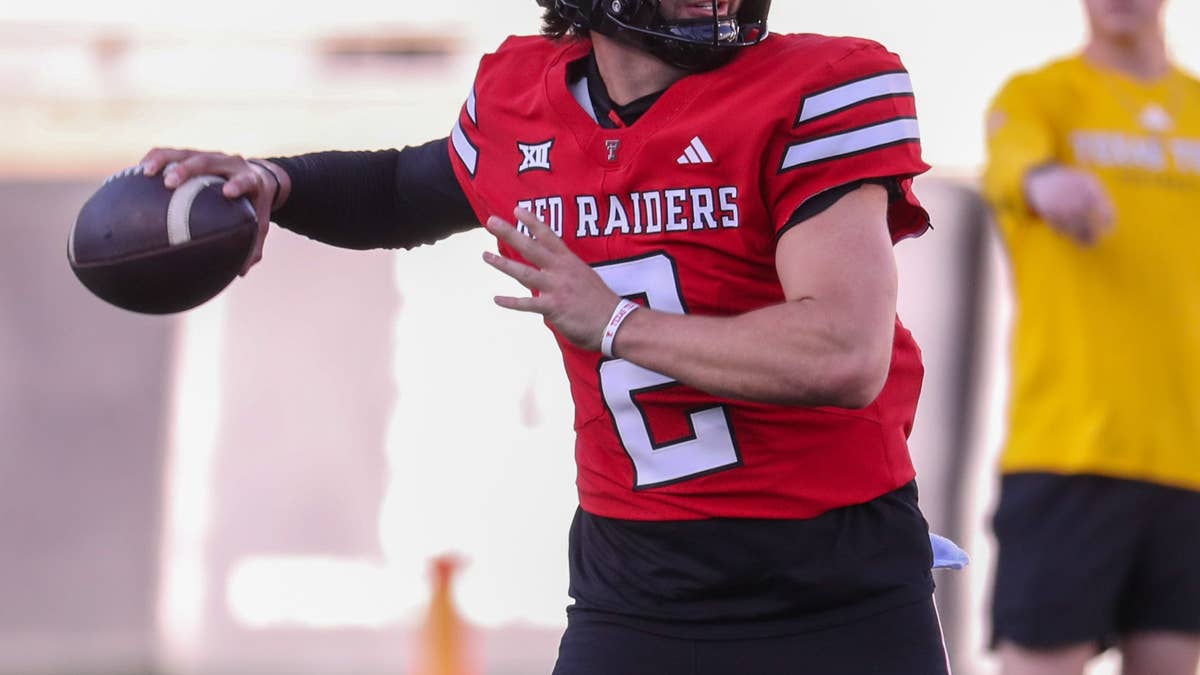
The college football world was rocked this week by news that Texas Tech quarterback Brendan Sorsby—a transfer star reportedly set to earn north of $5 million this season—is battling a gambling addiction. Sorsby has entered a residential treatment facility and taken an indefinite leave of absence, with no clear timetable for his return. The regular season kicks off in about four months, and the Red Raiders are suddenly facing a quarterback-sized hole in their offense.
According to ESPN, the NCAA is now investigating Sorsby for placing thousands of online sports bets through a gambling app, a direct violation of the organization's rules that forbid athletes from wagering on college or professional sports. His eligibility at Texas Tech is very much in jeopardy. This isn't just one player's personal struggle—it's a flashing red light for the entire sport.
A Perfect Storm: NIL Money + Phone-Screen Betting
College athletes today are making real money for the first time, thanks to Name, Image, and Likeness (NIL) deals. But with that cash comes temptation. Gambling apps are a thumbprint away, and the rush of a bet can be as addictive as the roar of a stadium crowd. Sorsby might be the first high-profile college football star to publicly seek treatment for a gambling addiction, but he won't be the last.
This isn't just a college problem—it's a cultural one. Gambling is woven into the fabric of sports media. Even ESPN, the outlet that broke this story, has aggressively pushed sports betting content to its audience. The message is everywhere: place a bet, feel the thrill. For a young athlete with money and time on his hands, that message can be dangerously seductive.
The NCAA's Losing Battle
The NCAA has tried to hold the line, threatening lifetime bans for athletes caught gambling. But the rules are struggling to keep pace with reality. When betting is as easy as tapping a phone screen, the old deterrents feel hollow. Sorsby's case is a test case—and a cautionary tale. The NCAA investigation will likely result in severe penalties, but that won't stop the next player from making the same mistake.
This story is bigger than one quarterback. It's a sign of what's to come in college football. As NIL deals grow and betting access expands, more athletes will find themselves in Sorsby's shoes. The sport needs better education, stronger support systems, and maybe a hard look at the culture that glorifies gambling while punishing the players who fall into its trap.
For now, Sorsby is doing the right thing by seeking help. But his absence leaves Texas Tech in a bind. The Red Raiders were counting on him to lead their offense. Instead, they're left wondering when—or if—their star QB will return. And college football fans are left with an uncomfortable question: How many more Brendan Sorsbys are out there, hiding their addiction behind a smile and a jersey?
As this story continues to unfold, it's clear the sport is at a crossroads. The Wild West era of college athletics, as Scott Van Pelt recently warned, is bringing new dangers along with new opportunities. Gambling addiction is one of them, and it's not going away.
The countdown to the season has begun, but for Sorsby and for college football, the real game is just starting.