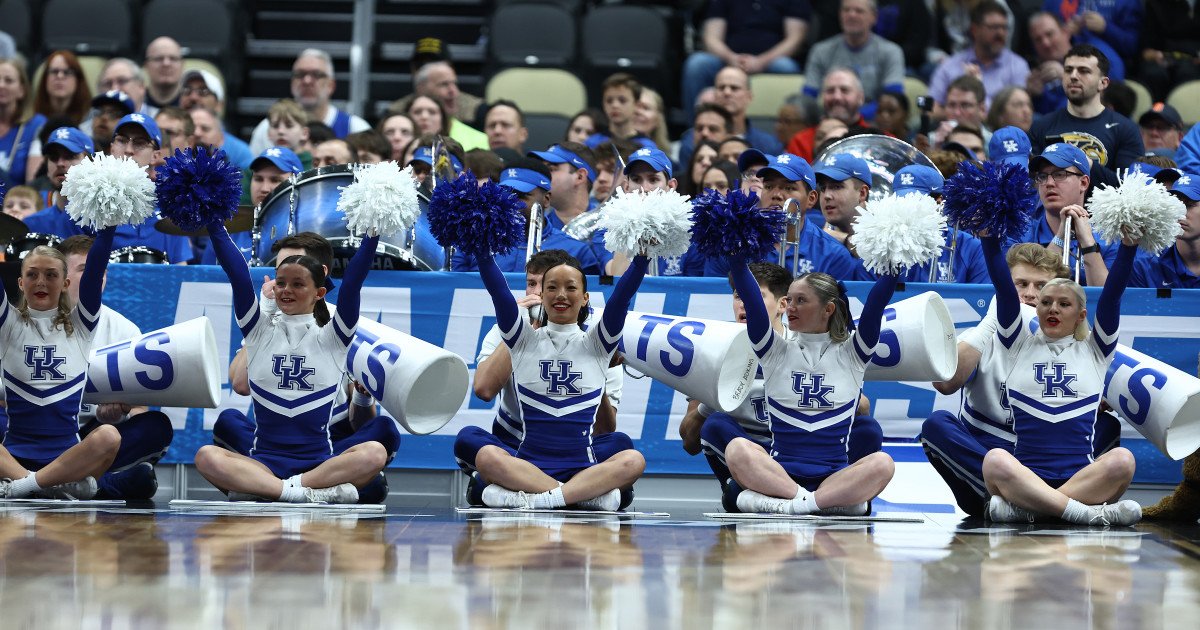
The landscape of college basketball is undergoing a seismic shift, and the sport's most storied programs are feeling the tremors. For decades, names like Kentucky, North Carolina, and Kansas weren't just teams—they were institutions that defined March Madness. But recent tournament struggles have sparked a pressing question: are the blue bloods bleeding out?
A New Era of Uncertainty
Gone are the days when these titans could simply reload with top-tier talent. The combination of rapid roster turnover, the rise of international recruits with no inherent loyalty to American basketball lore, and the transformative impact of Name, Image, and Likeness (NIL) deals has leveled the playing field in unprecedented ways. As one ESPN analysis noted, "no school is capable of stockpiling talent the way blue bloods once could." This isn't a temporary slump—it's a structural change.

Consider the evidence: these three programs alone have combined for six national championships and countless Final Four appearances. Yet, when the pressure of the single-elimination tournament arrives, they're increasingly vulnerable. Critical injuries, once manageable for deep rosters, now derail entire seasons. Every program, regardless of pedigree, is essentially building a new team each year, and there's zero margin for error.
The Conference Conundrum
The problem extends beyond campus borders. In college football, traditional powers are buoyed by the financial might of the Big Ten and SEC. In basketball, however, blue bloods like UNC (ACC) and Kansas (Big 12) reside in conferences that aren't wielding the same colossal, football-generated revenue. This financial disparity has tangible effects. This season, the Big Ten and SEC combined for a staggering 10 Sweet 16 teams, while the ACC and Big 12—home to two of the biggest blue bloods—managed just four combined.
This shift means the inherent advantage of being a Kentucky, a UNC, or a Kansas—the brand recognition, the fan fervor, the historic allure—simply doesn't carry the same weight. International players, a growing force in the sport, often arrive with little knowledge of or affinity for these American dynasties. They're choosing development paths and NIL opportunities, not hanging banners from the rafters.
Can the Kings Reclaim Their Thrones?
This doesn't spell the end for these programs. They retain massive resources, fan bases, and media platforms that are the envy of the sport. The challenge is adapting to an ecosystem where money flows more freely to players and parity is the new norm. It's a world where a single missed evaluation or transfer portal miscalculation can set a program back years, regardless of its jersey color.
The question now is one of adaptation. Can these historic brands leverage their resources in the NIL marketplace as effectively as they once did in recruiting battles? Can they build cohesive teams in an era of constant churn? The answers will define the next chapter of college basketball. While fans might bemoan the unpredictability, this new reality makes for thrilling tournaments where any team can become a Cinderella story.
It's a fascinating time for the sport, reminiscent of other major disruptions across athletics. Just as new technology is challenging umpires in baseball, new rules are challenging basketball's old guard. The glory days aren't gone forever, but the path back requires a new playbook. The era of automatic reverence is over. For the blue bloods, every season is now a prove-it year.