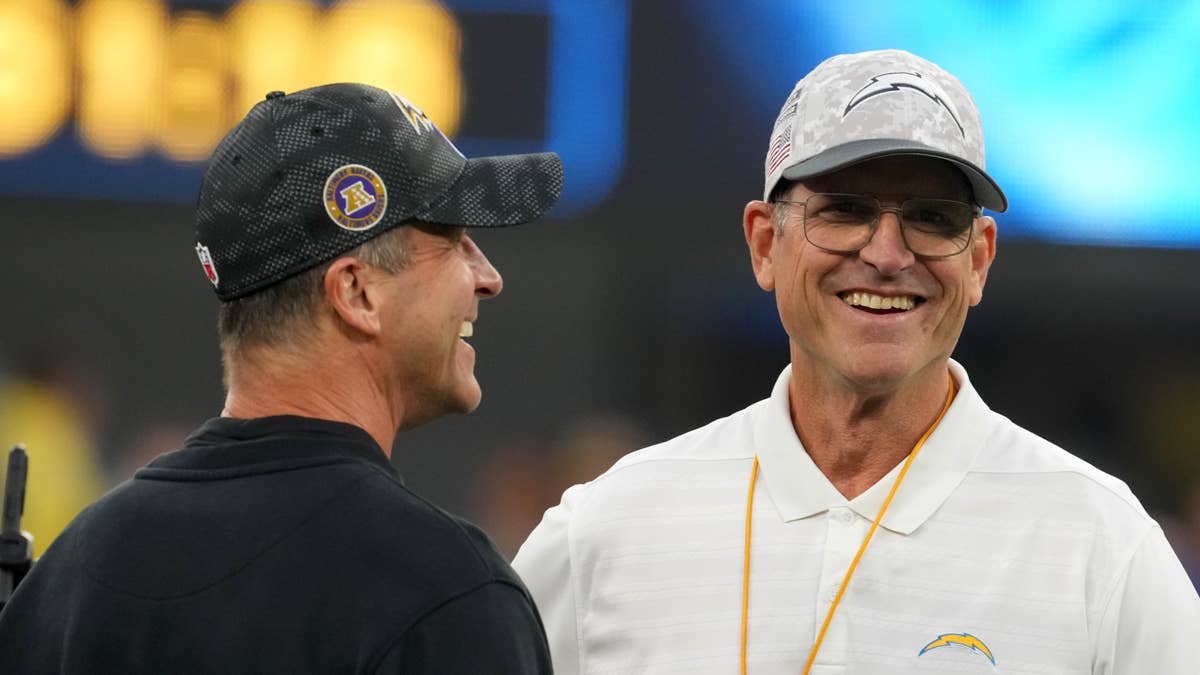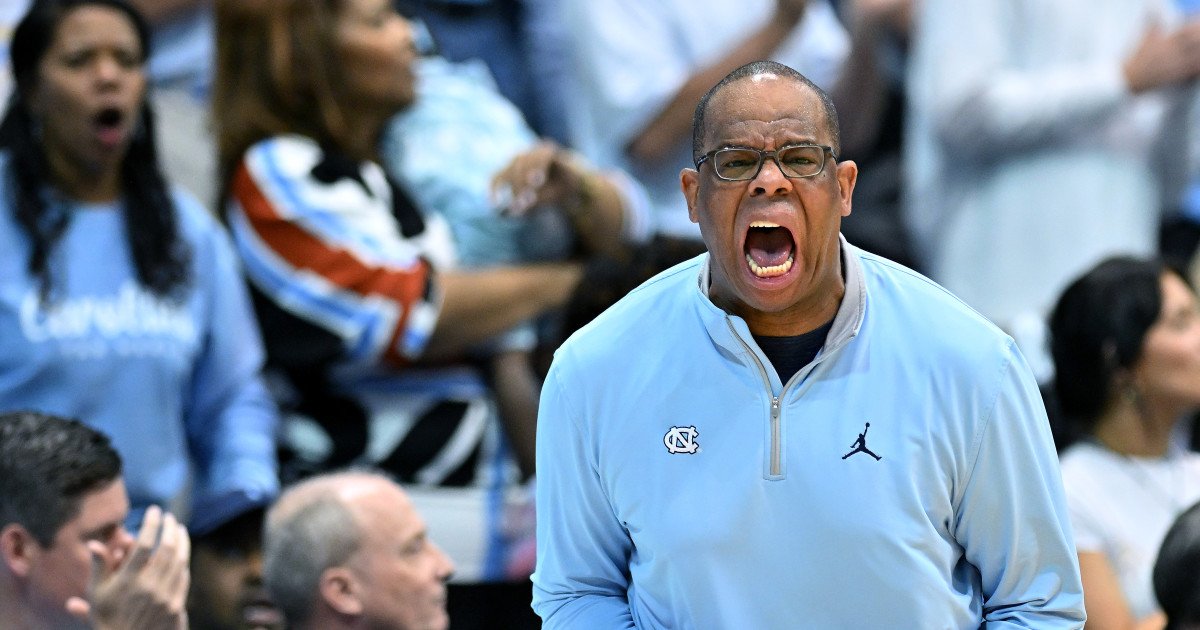
In the wild world of sports social media, parody accounts have long walked a fine line between humor and mischief. But what happens when a major, legitimate corporation decides to cross that line and start peddling pure fiction? That's the explosive question rocking the sports community after a stunning move from betting giant BetMGM.
A "Breaking" Story That Broke All Trust
The controversy ignited when the official BetMGM account posted what it labeled as "BREAKING" news: the University of North Carolina was supposedly finalizing a deal to hire NBA legend Phil Jackson as head coach. The post, since deleted, even included a sarcastic nod to a previous fake hire of NFL coach Bill Belichick. The problem? The entire report was a complete fabrication, with zero sources or connection to reality.
While the post was quickly debunked, the damage was done. Fans and observers erupted online, tearing into the company for what many saw as a dangerous and cynical ploy. "What's the purpose of this post? It's not funny. It's just a fake Woj post, but from a sports betting company," one user pointedly asked on the platform.
The Slippery Slope of Sports Misinformation
The backlash highlights a growing fear: the blurring line between entertainment and outright deception by powerful entities in the sports ecosystem. "Gambling companies are tweeting lies as if it's legitimate news because it brings more attention to them," another critic wrote. "Facts matter. Slippery slope when gambling companies that leagues and media outlets are partnered with are lying to fans. It undermines all of sports."
This incident isn't happening in a vacuum. As sports betting's influence grows, so do concerns about integrity. The move from BetMGM feels like a jarring escalation. "We've gone from parody pages slanting the truth 'for fun' to legitimate companies now telling outright lies because it gets eyeballs on their brand," a third commenter argued, warning the ethical slope is getting "steeper and steeper."
There was a time when the occasional fake story from a parody account could be a harmless, even clever, prank. But when a corporate entity with real market influence engages in the same behavior, it strips away any charm and replaces it with genuine alarm. It creates a noisy environment where truth becomes harder to find, and nothing—not even outrageous claims—lands as humor anymore.
This episode serves as a stark reminder of the responsibility that comes with a large platform. While betting culture often celebrates viral moments, deliberately manufacturing false news is a different game entirely. It erodes the trust that sports journalism and fan discourse are built upon.
The fallout raises broader questions about accountability. When misinformation comes from a parody account, it's expected. When it comes from an official corporate channel partnered with major leagues, it challenges the very credibility of the information space fans inhabit. It's a tactic that might generate short-term clicks but risks long-term reputation, as seen when personalities are called out for misleading reports.
For now, the Tar Heels' real coaching search continues elsewhere. But the story left in BetMGM's wake is a cautionary tale about the high stakes of credibility in the modern sports landscape, where the race for engagement can sometimes override basic truth.