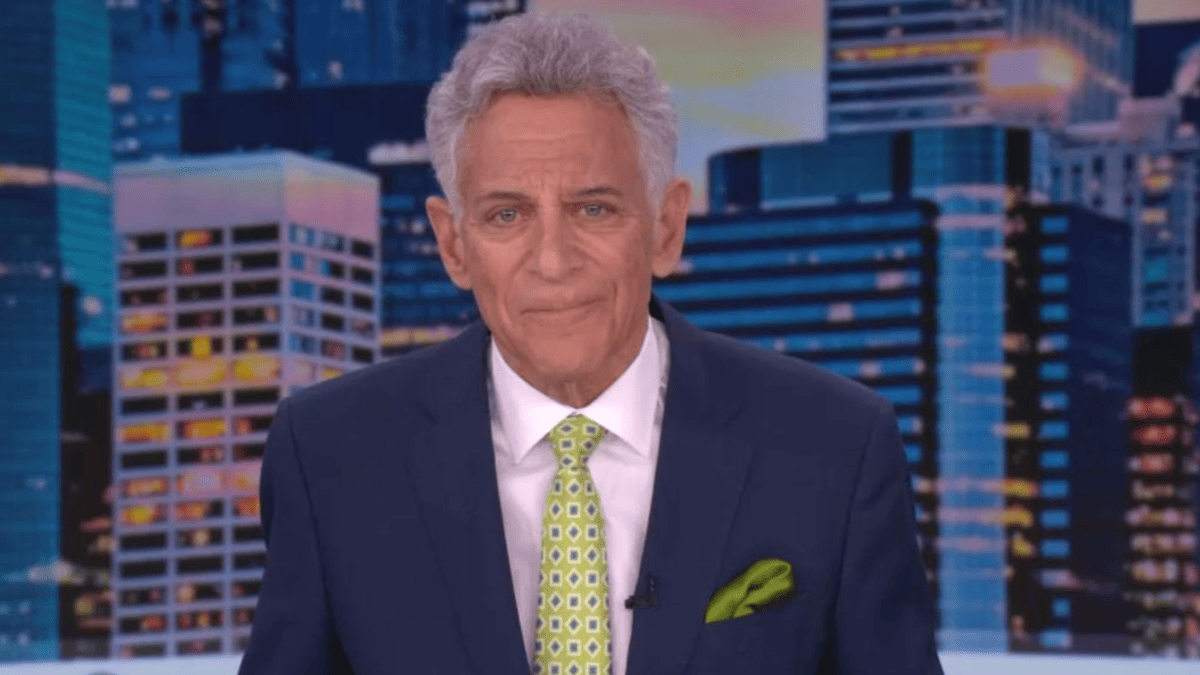
For a quarter-century, New Yorkers invited Bill Ritter into their living rooms each evening. That familiar voice, that steady presence—it's now signing off from the anchor desk. The 76-year-old WABC-TV veteran announced Friday night that he is stepping away after a heartbreaking diagnosis.
Ritter revealed to viewers that doctors recently confirmed he has early-stage Alzheimer's. While current treatments are holding the condition at bay, he acknowledged the uncertainty ahead. 'There's no cure yet for Alzheimer's,' Ritter said. 'So, unless someone finds an amazing cure, and soon, tonight will be the last newscast I anchor.'

His career at Eyewitness News began in 1998, after stints at the Los Angeles Times and local California TV stations. He took the lead role at 6 p.m. in 2001, becoming a trusted fixture in the nation's largest media market. But this isn't a full goodbye—Ritter will remain with the station to report on the rising tide of Alzheimer's and similar diseases, focusing on how they affect families and the crushing costs of care.
A Legacy of Integrity and Heart
WABC-TV general manager Marilu Galvez praised Ritter as someone who brought 'exceptional insight, integrity, and, most of all – heart' to every broadcast. Those qualities shone through in his final sign-off, which was marked by grace and honesty.
Fellow journalists quickly paid tribute. Reporter Lucy Yang, who worked alongside Ritter for decades, wrote on social media: 'He never gave less than 110%. I salute you. I thank you. And I will pray for you.'
Ritter's decision echoes the courage shown by other public figures facing serious health battles. It also highlights a growing conversation around neurodegenerative diseases in sports and media. In the sports world, we've seen similar acts of vulnerability, like Ric Flair stepping back from social media to prioritize his health.
What Comes Next
Ritter plans to use his platform to advocate for more affordable treatment and better support for patients and families grappling with Alzheimer's. 'The price of treatment and the price of caring for patients is simply unaffordable,' he noted, 'and this country needs to begin to change that.'
His commitment to public service doesn't end with his anchor duties. By turning his personal challenge into a call for action, Ritter is adding another chapter to a remarkable career. The sports community—and indeed all of New York—sends its best wishes to him and his family.
This story reminds us that even the strongest among us face tough battles. For more on athletes and broadcasters confronting health crises, check out our coverage of Stacey King's legacy and other figures who have inspired us with their resilience.