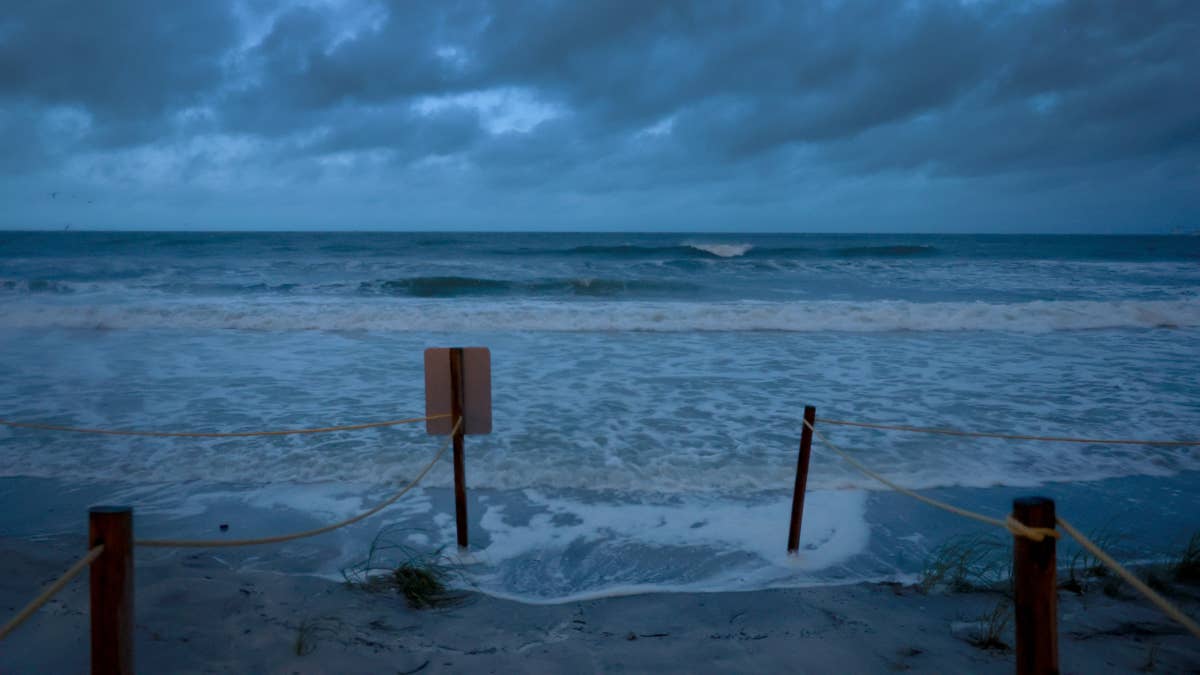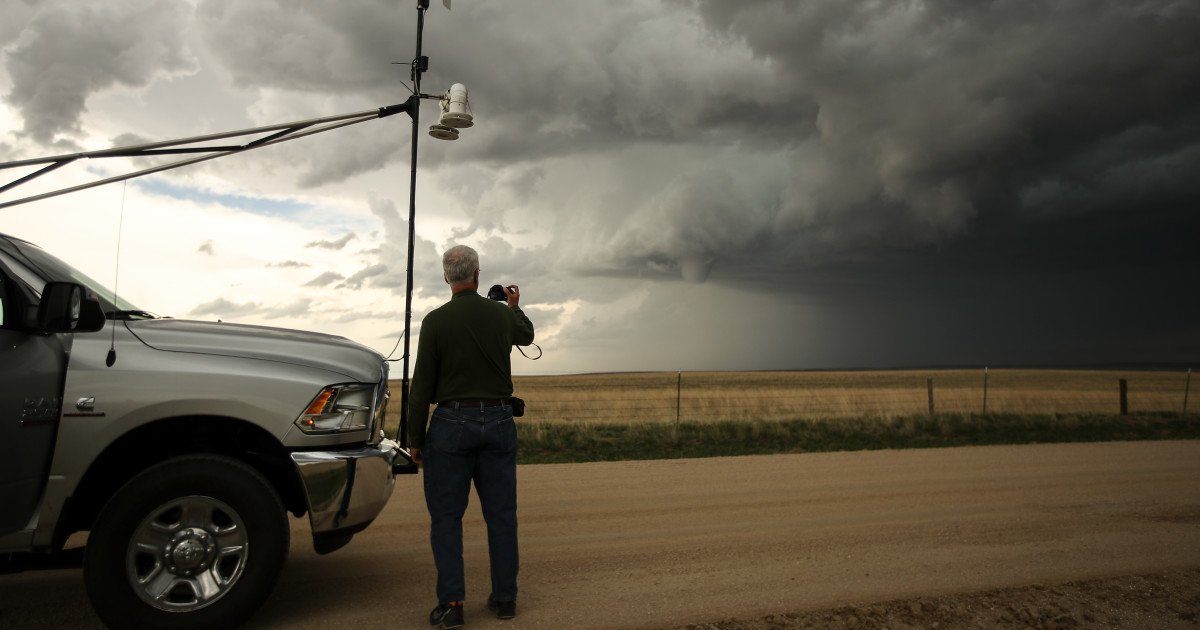
Batten down the hatches, sports fans! A meteorological heavyweight is entering the ring, and it's throwing some serious punches. The National Weather Service has issued urgent warnings for a severe windstorm targeting five U.S. states, with gusts threatening to top a staggering 75 miles per hour. This isn't just a breezy day—it's a full-scale atmospheric event that could disrupt travel, cause power outages, and create hazardous conditions from coast to coast.
States in the Crosshairs
The states on high alert span the nation: Washington, Alaska, Idaho, Texas, and Nevada. Washington is expected to bear the brunt of the assault, with forecasts predicting southwest winds of 20 to 30 MPH and gusts up to 55 MPH in the Methow Valley. The mountainous regions face an even fiercer barrage, with southwest to west winds of 25 to 35 MPH and potentially devastating gusts reaching 75 MPH. The strongest winds are slated to occur between 8 PM Wednesday and 5 AM Thursday, turning the overnight hours into a roaring battle with the elements.

Down in Texas, the alert warns that "gusty winds will blow around unsecured objects." The message is clear: tree limbs could snap, and power outages are a real possibility. For anyone on the road, especially those driving high-profile vehicles, extreme caution is non-negotiable. "Winds this strong can make driving difficult," the NWS emphasizes, turning routine commutes into potential white-knuckle experiences.
Safety First: The Game Plan
When nature unleashes its fury, having a game plan is as crucial as any fourth-quarter strategy. The key is to stay weather-ready by monitoring local news or a NOAA Weather Radio for the latest watches and warnings. If you're at home and a severe thunderstorm warning is issued, head to your secure location immediately. Don't forget your furry teammates—bring your pets along if time allows.
The rules change if you're at work or school. Steer clear of windows and avoid large, open spaces like cafeterias, gyms, or auditoriums. If you're caught outside, your only move is to get inside a sturdy building right away. Remember, sheds and storage units won't cut it. And never, ever seek shelter under a tree—it could become a deadly projectile, and it dramatically increases your risk of being struck by lightning.
For those in vehicles, you're in a safer spot than being completely exposed, but it's not a permanent solution. If you have enough time, drive to the closest secure shelter. This kind of severe weather demands respect and quick thinking, much like the sudden shifts that can define a championship season. This event is a stark reminder of how quickly conditions can change, similar to the widespread disruptions highlighted in our report on the severe weather alert for 15 states earlier this week.
Broader Weather Context
This intense wind event is part of a larger pattern of turbulent spring weather sweeping across the country. It follows a series of severe outbreaks that have repeatedly put sports schedules and fan travel on alert. Just as a tornado threat recently targeted a dozen states, this windstorm underscores the unpredictable power of nature during this season. While athletes like Eileen Gu enjoy a post-Olympics getaway in Paris, back home, the focus is squarely on safety and preparedness.
The National Weather Service consistently stresses that being prepared is the best defense. Whether it's a tornado watch or a severe wind warning, the principles remain the same: stay informed, have a plan, and prioritize safety above all else. As we've seen with events like the NWS warnings for spring break safety, heeding official advice isn't just cautious—it's critical.
So, as this powerful windstorm takes aim, let's all play it smart. Secure loose outdoor items, charge your devices, and plan to hunker down during the peak of the storm. This is one opponent where the best strategy is a strong defense. Stay safe, stay informed, and let's weather this storm together.