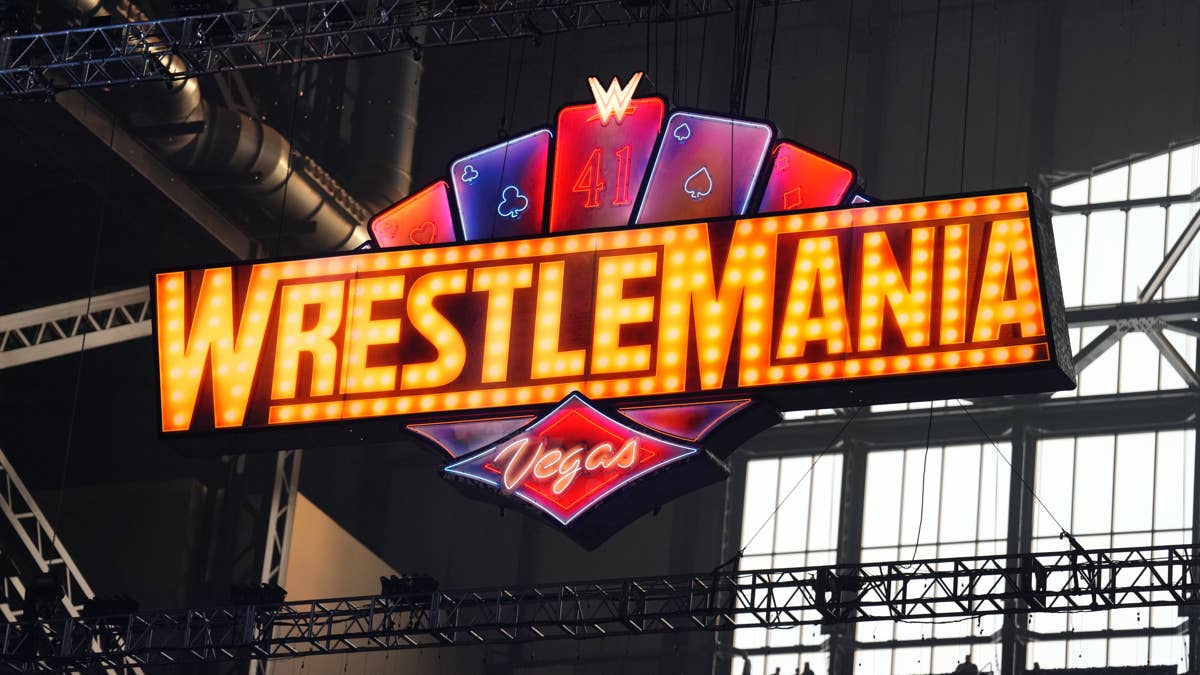
WWE's flagship event, WrestleMania 42, should have been a celebration of athleticism and storytelling. Instead, it's become the center of a heated controversy, with a vocal segment of the wrestling community declaring the spectacle had lost its heart. The criticism isn't about match quality alone; it's a deeper accusation that the soul of professional wrestling was sacrificed at the altar of corporate sponsorship.
The 'Soulless' Accusation Takes Center Stage
Leading the charge is veteran sports commentator Ariel Helwani, who didn't mince words in his post-event analysis. He described the two-night extravaganza as fundamentally "soulless," arguing that an avalanche of advertisements and product placements had stripped away the authentic feeling that once defined the 'Showcase of the Immortals.' "It does not exist," Helwani stated bluntly about the event's missing core, emphasizing that the very smart people behind the scenes need to find a way to reinject passion back into the product.
Pointing Fingers at the Corporate Suites
Helwani places significant blame on TKO Group Holdings, the parent company that now oversees both WWE and UFC. His theory? That the executives at the very top may not be wrestling traditionalists, leading to a disconnect where every moment feels monetized. "When everything is for sale, it gets lost," he lamented, contrasting this year's event with the historic gravitas of a Super Bowl or World Series. The fear is that in the pursuit of mainstream profit, the unique, gritty soul of sports entertainment is being diluted beyond recognition.
This sentiment found a loud echo chamber on social media, where fan frustration boiled over. Many shared the feeling that they were watching an extended advertisement interspersed with wrestling, rather than the other way around. "Paying thousands to attend a 4 hour show and getting less than 2 hours of performance, disgusting really," wrote one disillusioned attendee on X, capturing the essence of the complaints about value and content. Another fan argued WWE is morphing "more and more of an advertising and marketing company and less of a wrestling company."
A Divided WWE Universe
To be clear, not every voice is raised in protest. Many fans celebrated the in-ring action and star-powered moments, arguing that the spectacle delivered exactly what was promised. However, the volume of the criticism suggests a growing rift. For a company enjoying unprecedented mainstream visibility, the backlash highlights the tricky balance between commercial expansion and fan loyalty. The debate even ties into broader industry conversations, like ESPN's WrestleMania obsession, which some see as part of the same corporatization trend.
Specific grievances from the weekend, such as the ad-heavy experience on opening night detailed in our report on WrestleMania 42's opening night, fueled this overarching narrative. It wasn't just about the quantity of ads, but their intrusive nature, making the event feel less like a sacred annual tradition and more like any other hyper-commercialized TV broadcast.
What's Next for the Soul of WWE?
The central question now is whether this is a temporary stumble or a new, permanent direction. Can TKO and WWE leadership find Helwani's suggested "in-between," where commercial success doesn't come at the cost of the product's identity? The company is no stranger to evolution, but this criticism strikes at the emotional core of what makes WrestleMania special. As WWE continues to court a wider audience with celebrity appearances and major partnerships—like the buzz around Joe Jonas singing the national anthem—it risks alienating the dedicated fanbase that built the phenomenon.
Only time will tell if the soul can be reclaimed. For now, the aftermath of WrestleMania 42 leaves a bittersweet taste. While it undoubtedly provided memorable athletic feats, the loud chorus calling it "soulless" serves as a stark warning: in the world of sports entertainment, the connection with the audience is the most valuable championship of all, and it's one that can't be bought with a sponsorship deal.